TE PEAK Surf Spot Guide, Israel
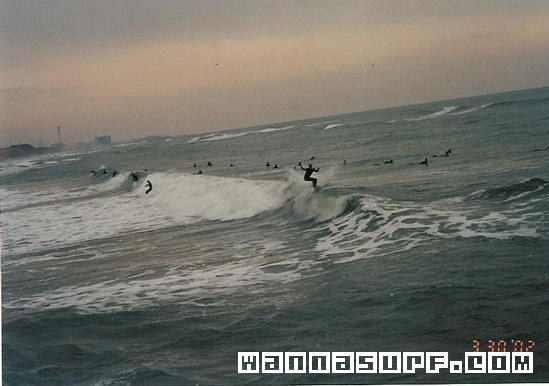
Te Peak delivers a powerful breakwater punch on Israel's Mediterranean coast, firing short, intense right and left tubing slabs over a sandy bottom that keeps things forgiving yet ledgey. This jetty-protected gem offers fun, barreling rides for those who time it right, blending raw power with accessible sessions that hook surfers chasing Mediterranean barrels. From empty weekday lines to weekend energy, it captures the thrill of scoring in the Holy Land's surf scene.
Geography and Nature
Te Peak sits on the central Mediterranean coastline near Hifa, framed by urban beaches and breakwaters that shape its waves amid Israel's bustling coastal vibe. The sandy beach stretches alongside populated areas with easy paved access, backed by hotels and city infrastructure rather than remote wilderness. Notable jetties create sheltered peaks, while the open sea horizon promises swells from distant storms rolling into this dynamic stretch of shoreline.
Surf Setup
Te Peak operates as a breakwater and jetty break, peeling both rights and lefts with a powerful, fun, and ledgey personality that can tube on the right swell. Optimal swells pour in from northwest, west, southwest, and south directions, while west, southwest, south, southeast, or east winds keep it offshore and clean. It handles all tides effectively, making timing flexible. On a typical session, expect chest-high to 2 meters faces with quick drops into hollow sections, ideal for short, intense rides that repeat if the swell holds.
Consistency and Best Time
Te Peak fires regularly thanks to its breakwater protection, with winter delivering the most consistent and powerful surf from storms pushing northwest to southwest swells up to 2 meters or more. Aim for October through April, peaking in December to March when cold fronts align wind and waves reliably. Summer offers smaller, warmer waves but can flatten; avoid mid-summer lulls unless a rare medicane stirs things up.
Crowd Levels
Weekdays at Te Peak stay mostly empty, giving ample space for sessions. Weekends draw a solid crowd of locals and visitors as word spreads on firing days.
Who It's For
While accessible to all surfers due to the sandy bottom and all-tide versatility, Te Peak shines for intermediate to advanced riders who thrive on its powerful, ledgey tubes and steep drops. Beginners can paddle out on smaller days for fun shapes, building confidence in the protected setup. Advanced surfers score the short, intense barrels that define peak sessions.
Hazards to Respect
Watch for reef sections exposed at low tide and occasional strong currents pulling through the jetty channels. Standard Mediterranean rips apply, so read the water and surf with awareness.
Water Temperature and Wetsuit Guide
Summer from June to October brings water temperatures of 25 to 29 degrees Celsius, where a rashguard or shorty wetsuit suffices for comfort. Winter from December to March drops to 14 to 18 degrees Celsius, calling for a full 4/3mm wetsuit with booties on chillier swells. Spring and fall hover at 18 to 23 degrees Celsius, perfect for a 3/2mm wetsuit to handle variable conditions.
How to Get There
Fly into Ben Gurion International Airport (TLV), about 120 kilometers south, or Haifa Airport (HFA), roughly 30 kilometers north, then rent a car for the straightforward coastal drive via Highway 2. From Tel Aviv's central bus station, hop on a direct bus north to Hifa's Bat Galim area, a 1.5-hour ride with stops near the beach. Park in the adjacent beach lots or hotel zones for free or low-cost spots, with the break just a 200-meter walk from pavement. Public buses from Hifa connect frequently, dropping riders steps from the sand.

TE PEAK Surf Spot Guide, Israel
Te Peak delivers a powerful breakwater punch on Israel's Mediterranean coast, firing short, intense right and left tubing slabs over a sandy bottom that keeps things forgiving yet ledgey. This jetty-protected gem offers fun, barreling rides for those who time it right, blending raw power with accessible sessions that hook surfers chasing Mediterranean barrels. From empty weekday lines to weekend energy, it captures the thrill of scoring in the Holy Land's surf scene.
Geography and Nature
Te Peak sits on the central Mediterranean coastline near Hifa, framed by urban beaches and breakwaters that shape its waves amid Israel's bustling coastal vibe. The sandy beach stretches alongside populated areas with easy paved access, backed by hotels and city infrastructure rather than remote wilderness. Notable jetties create sheltered peaks, while the open sea horizon promises swells from distant storms rolling into this dynamic stretch of shoreline.
Surf Setup
Te Peak operates as a breakwater and jetty break, peeling both rights and lefts with a powerful, fun, and ledgey personality that can tube on the right swell. Optimal swells pour in from northwest, west, southwest, and south directions, while west, southwest, south, southeast, or east winds keep it offshore and clean. It handles all tides effectively, making timing flexible. On a typical session, expect chest-high to 2 meters faces with quick drops into hollow sections, ideal for short, intense rides that repeat if the swell holds.
Consistency and Best Time
Te Peak fires regularly thanks to its breakwater protection, with winter delivering the most consistent and powerful surf from storms pushing northwest to southwest swells up to 2 meters or more. Aim for October through April, peaking in December to March when cold fronts align wind and waves reliably. Summer offers smaller, warmer waves but can flatten; avoid mid-summer lulls unless a rare medicane stirs things up.
Crowd Levels
Weekdays at Te Peak stay mostly empty, giving ample space for sessions. Weekends draw a solid crowd of locals and visitors as word spreads on firing days.
Who It's For
While accessible to all surfers due to the sandy bottom and all-tide versatility, Te Peak shines for intermediate to advanced riders who thrive on its powerful, ledgey tubes and steep drops. Beginners can paddle out on smaller days for fun shapes, building confidence in the protected setup. Advanced surfers score the short, intense barrels that define peak sessions.
Hazards to Respect
Watch for reef sections exposed at low tide and occasional strong currents pulling through the jetty channels. Standard Mediterranean rips apply, so read the water and surf with awareness.
Water Temperature and Wetsuit Guide
Summer from June to October brings water temperatures of 25 to 29 degrees Celsius, where a rashguard or shorty wetsuit suffices for comfort. Winter from December to March drops to 14 to 18 degrees Celsius, calling for a full 4/3mm wetsuit with booties on chillier swells. Spring and fall hover at 18 to 23 degrees Celsius, perfect for a 3/2mm wetsuit to handle variable conditions.
How to Get There
Fly into Ben Gurion International Airport (TLV), about 120 kilometers south, or Haifa Airport (HFA), roughly 30 kilometers north, then rent a car for the straightforward coastal drive via Highway 2. From Tel Aviv's central bus station, hop on a direct bus north to Hifa's Bat Galim area, a 1.5-hour ride with stops near the beach. Park in the adjacent beach lots or hotel zones for free or low-cost spots, with the break just a 200-meter walk from pavement. Public buses from Hifa connect frequently, dropping riders steps from the sand.


Il link alle previsioni non è disponibile.
Webcam not available