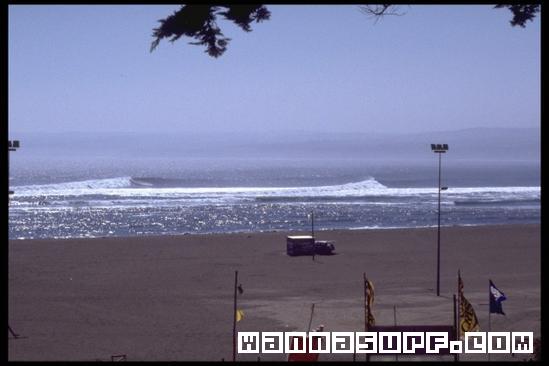
Punta de Lobos Surf Spot Guide, Chile
Punta de Lobos stands out as one of South America's premier left-hand point breaks, delivering hollow, powerful waves that peel for 200 to 400 meters over a sandy bottom mixed with rocks. This exposed reef and point break in Pichilemu, Chile, offers long, workable walls with barrel sections that thrill experienced surfers, all set against dramatic cliffs and rock formations. The vibe is raw and consistent, drawing dedicated wave riders to its reliable lineup year after year.
Geography and Nature
Nestled 6 kilometers south of Pichilemu on Chile's central coast, Punta de Lobos features a rugged coastal landscape with impressive hills, rocky points, and twin rock pillars jutting into the Pacific Ocean. The beach combines sand with rocky sections, creating a wild, natural setting that's remote yet accessible, framed by a biodiversity hotspot thanks to the nutrient-rich Humboldt Current. This geographic setup funnels swells perfectly into long lefts, making it a world-class surf reserve.
Surf Setup
Punta de Lobos is a classic left-hand point break and reef wave that produces fast, hollow sections and long walls, especially on southwest swells from 1.5 to 4 meters. The best conditions come with north, northwest, west, southwest, or south swells paired with south, southeast, or east offshore winds, keeping the face clean and glassy. Low and mid tides are ideal, as the wave holds shape best then, reforming through multiple sections for rides up to 400 meters. In a typical session, expect powerful takeoffs outside the point, speedy mid-sections with tube potential, and an inside wall for carving before the beach.
Consistency and Best Time
This spot boasts very high consistency, firing on about 150 days a year thanks to its exposure to Southern Ocean swells. The prime season runs from March to October, when southwest groundswells deliver head-high to double-overhead waves with long periods for the best quality. Winter months like June to August often see the biggest, most powerful surf up to 6 meters or more, while summer from December to February brings smaller, cleaner days around 1 to 2 meters—avoid if chasing peak power, but great for lighter sessions.
Crowd Levels
Weekdays see few surfers in the lineup, offering uncrowded sessions even on good days. Weekends draw bigger numbers, mixing locals and tourists across the multiple takeoff zones.
Who It's For
Punta de Lobos suits experienced and advanced surfers who can handle its powerful lefts, strong paddling, and rocky bottom. Beginners should stick to nearby beach breaks, while intermediates might enjoy smaller days under 2 meters for practicing turns. Advanced riders thrive on the hollow barrels and 200-400 meter rides during optimal swells.
Hazards to Respect
Watch for rips pulling out from the point, exposed rocks on the bottom, and sea urchins in shallower areas. Strong currents demand solid positioning and ocean awareness.
Water Temperature and Wetsuit Guide
Summer from December to March brings water temperatures of 14 to 16 degrees Celsius, calling for a 4/3 millimeter wetsuit with booties for comfort. Winter from June to October drops to 12 to 14 degrees Celsius, requiring a full 5/4 millimeter suit, hood, and booties to combat the chill. Spring and fall average 13 to 15 degrees Celsius, where a 4/3 or 5/4 millimeter wetsuit with booties works well depending on air temps.
How to Get There
Fly into Comodoro Arturo Merino Benítez International Airport (SCL) in Santiago, about 210 kilometers north, then drive south on Route 66 for around 3 hours to Pichilemu. From Pichilemu's bus terminal, head 6 kilometers south by car, taxi, local bus, or rented bike to the point—parking is available right at the tip with easy walking access to the beach. Public buses from Santiago to Pichilemu run frequently, followed by short local transfers.

Punta de Lobos Surf Spot Guide, Chile
Punta de Lobos stands out as one of South America's premier left-hand point breaks, delivering hollow, powerful waves that peel for 200 to 400 meters over a sandy bottom mixed with rocks. This exposed reef and point break in Pichilemu, Chile, offers long, workable walls with barrel sections that thrill experienced surfers, all set against dramatic cliffs and rock formations. The vibe is raw and consistent, drawing dedicated wave riders to its reliable lineup year after year.
Geography and Nature
Nestled 6 kilometers south of Pichilemu on Chile's central coast, Punta de Lobos features a rugged coastal landscape with impressive hills, rocky points, and twin rock pillars jutting into the Pacific Ocean. The beach combines sand with rocky sections, creating a wild, natural setting that's remote yet accessible, framed by a biodiversity hotspot thanks to the nutrient-rich Humboldt Current. This geographic setup funnels swells perfectly into long lefts, making it a world-class surf reserve.
Surf Setup
Punta de Lobos is a classic left-hand point break and reef wave that produces fast, hollow sections and long walls, especially on southwest swells from 1.5 to 4 meters. The best conditions come with north, northwest, west, southwest, or south swells paired with south, southeast, or east offshore winds, keeping the face clean and glassy. Low and mid tides are ideal, as the wave holds shape best then, reforming through multiple sections for rides up to 400 meters. In a typical session, expect powerful takeoffs outside the point, speedy mid-sections with tube potential, and an inside wall for carving before the beach.
Consistency and Best Time
This spot boasts very high consistency, firing on about 150 days a year thanks to its exposure to Southern Ocean swells. The prime season runs from March to October, when southwest groundswells deliver head-high to double-overhead waves with long periods for the best quality. Winter months like June to August often see the biggest, most powerful surf up to 6 meters or more, while summer from December to February brings smaller, cleaner days around 1 to 2 meters—avoid if chasing peak power, but great for lighter sessions.
Crowd Levels
Weekdays see few surfers in the lineup, offering uncrowded sessions even on good days. Weekends draw bigger numbers, mixing locals and tourists across the multiple takeoff zones.
Who It's For
Punta de Lobos suits experienced and advanced surfers who can handle its powerful lefts, strong paddling, and rocky bottom. Beginners should stick to nearby beach breaks, while intermediates might enjoy smaller days under 2 meters for practicing turns. Advanced riders thrive on the hollow barrels and 200-400 meter rides during optimal swells.
Hazards to Respect
Watch for rips pulling out from the point, exposed rocks on the bottom, and sea urchins in shallower areas. Strong currents demand solid positioning and ocean awareness.
Water Temperature and Wetsuit Guide
Summer from December to March brings water temperatures of 14 to 16 degrees Celsius, calling for a 4/3 millimeter wetsuit with booties for comfort. Winter from June to October drops to 12 to 14 degrees Celsius, requiring a full 5/4 millimeter suit, hood, and booties to combat the chill. Spring and fall average 13 to 15 degrees Celsius, where a 4/3 or 5/4 millimeter wetsuit with booties works well depending on air temps.
How to Get There
Fly into Comodoro Arturo Merino Benítez International Airport (SCL) in Santiago, about 210 kilometers north, then drive south on Route 66 for around 3 hours to Pichilemu. From Pichilemu's bus terminal, head 6 kilometers south by car, taxi, local bus, or rented bike to the point—parking is available right at the tip with easy walking access to the beach. Public buses from Santiago to Pichilemu run frequently, followed by short local transfers.
Il link alle previsioni non è disponibile.
Webcam not available