Pancora Surf Spot Guide, Chile
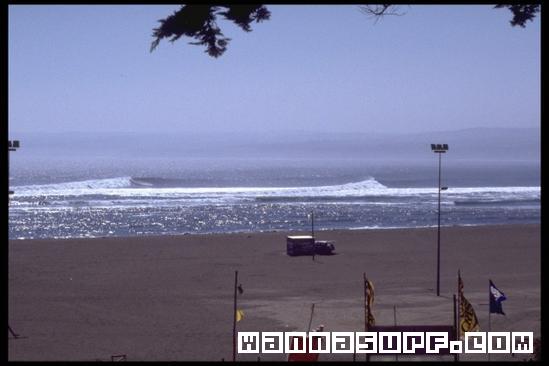
Nestled in the heart of Chile's surf mecca, Pancora delivers a raw beach-break experience with powerful rights and lefts peeling over a sandy bottom. This spot fires up hollow, fast waves that demand respect, creating an uncrowded paradise where experienced surfers can chase long rides amid dramatic cliffs and pristine shores. The vibe is pure, blending isolation with the thrill of consistent Pacific power.
Geography and Nature
Pancora sits about 3 kilometers south of Pichilemu in the O'Higgins Region, along Chile's central Pacific coast on the south side of Punta de los Lobos. This remote stretch features expansive sandy beaches framed by rugged cliffs and natural headlands, offering a wild, untouched coastal landscape far from urban bustle. The beach itself is wide and sandy, with nearby rocky formations adding to the dramatic scenery that defines this corner of Chile's surf-rich coastline.
Surf Setup
Pancora is a classic beach-break that throws up both rights and lefts, often forming hollow and powerful sections ideal for experienced riders. It thrives on swells from the north, northwest, west, southwest, and south, with northeast, east, southeast, or north winds turning the surface glassy for offshore perfection. The spot works across all tides, keeping sessions flexible no matter the lunar pull. On a typical day, expect fast lines that test your speed and positioning over the sandy bottom.
Consistency and Best Time
With very high consistency firing on about 150 days a year, Pancora rarely disappoints for swell hunters. The prime window falls in the austral winter months from May to October, when southwesterly groundswells build to 2 meters or more under light offshore winds. Avoid the calmer summer period from December to March if chasing power, though smaller waves can still roll in reliably.
Crowd Levels
Pancora stays remarkably empty, with weekdays and weekends alike offering plenty of space in the lineup. You'll share waves sparingly with a mix of locals and visiting surfers.
Who It's For
This spot suits experienced surfers who can handle its hollow, fast, and powerful waves. Beginners should steer clear due to the intensity, while intermediates might find occasional softer days but will need solid skills to progress. Advanced paddlers will revel in the long, challenging rides that reward commitment.
Hazards to Respect
Watch for strong rips that can pull you out on bigger swells, and mind any exposed rocks near the cliffs during low tide. Conditions remain manageable for prepared surfers respecting the ocean's power.
Water Temperature and Wetsuit Guide
Summer from December to March brings water temperatures of 14 to 16 degrees Celsius, calling for a full 4/3mm wetsuit with booties for comfort on longer sessions. Winter from June to October chills things to 12 to 14 degrees Celsius, where a thick 5/4mm hooded wetsuit becomes essential against the cold upwellings. Spring and fall hover around 13 to 15 degrees Celsius, making a reliable 4/3mm wetsuit with gloves a smart choice for all-day surfing.
How to Get There
Fly into Pichilemu's local airstrip or the larger Santiago Airport (SCL), about 200 kilometers north, then rent a car for the scenic 3-hour drive south via Route 90. From Pichilemu town center, head 3 kilometers south toward Punta de los Lobos; parking is easy and free right at the beach base. No public transport runs directly, but taxis from Pichilemu cost around 10,000 Chilean pesos for the short hop, with the surf just a 2-minute walk from your wheels.

Pancora Surf Spot Guide, Chile
Nestled in the heart of Chile's surf mecca, Pancora delivers a raw beach-break experience with powerful rights and lefts peeling over a sandy bottom. This spot fires up hollow, fast waves that demand respect, creating an uncrowded paradise where experienced surfers can chase long rides amid dramatic cliffs and pristine shores. The vibe is pure, blending isolation with the thrill of consistent Pacific power.
Geography and Nature
Pancora sits about 3 kilometers south of Pichilemu in the O'Higgins Region, along Chile's central Pacific coast on the south side of Punta de los Lobos. This remote stretch features expansive sandy beaches framed by rugged cliffs and natural headlands, offering a wild, untouched coastal landscape far from urban bustle. The beach itself is wide and sandy, with nearby rocky formations adding to the dramatic scenery that defines this corner of Chile's surf-rich coastline.
Surf Setup
Pancora is a classic beach-break that throws up both rights and lefts, often forming hollow and powerful sections ideal for experienced riders. It thrives on swells from the north, northwest, west, southwest, and south, with northeast, east, southeast, or north winds turning the surface glassy for offshore perfection. The spot works across all tides, keeping sessions flexible no matter the lunar pull. On a typical day, expect fast lines that test your speed and positioning over the sandy bottom.
Consistency and Best Time
With very high consistency firing on about 150 days a year, Pancora rarely disappoints for swell hunters. The prime window falls in the austral winter months from May to October, when southwesterly groundswells build to 2 meters or more under light offshore winds. Avoid the calmer summer period from December to March if chasing power, though smaller waves can still roll in reliably.
Crowd Levels
Pancora stays remarkably empty, with weekdays and weekends alike offering plenty of space in the lineup. You'll share waves sparingly with a mix of locals and visiting surfers.
Who It's For
This spot suits experienced surfers who can handle its hollow, fast, and powerful waves. Beginners should steer clear due to the intensity, while intermediates might find occasional softer days but will need solid skills to progress. Advanced paddlers will revel in the long, challenging rides that reward commitment.
Hazards to Respect
Watch for strong rips that can pull you out on bigger swells, and mind any exposed rocks near the cliffs during low tide. Conditions remain manageable for prepared surfers respecting the ocean's power.
Water Temperature and Wetsuit Guide
Summer from December to March brings water temperatures of 14 to 16 degrees Celsius, calling for a full 4/3mm wetsuit with booties for comfort on longer sessions. Winter from June to October chills things to 12 to 14 degrees Celsius, where a thick 5/4mm hooded wetsuit becomes essential against the cold upwellings. Spring and fall hover around 13 to 15 degrees Celsius, making a reliable 4/3mm wetsuit with gloves a smart choice for all-day surfing.
How to Get There
Fly into Pichilemu's local airstrip or the larger Santiago Airport (SCL), about 200 kilometers north, then rent a car for the scenic 3-hour drive south via Route 90. From Pichilemu town center, head 3 kilometers south toward Punta de los Lobos; parking is easy and free right at the beach base. No public transport runs directly, but taxis from Pichilemu cost around 10,000 Chilean pesos for the short hop, with the surf just a 2-minute walk from your wheels.


Il link alle previsioni non è disponibile.