
La Plage Surf Spot Guide, Uruguay
Nestled on Uruguay's vibrant Atlantic coast, La Plage delivers classic beach-break waves that peel both right and left over a forgiving sandy bottom, offering an ordinary power ride that's perfect for relaxed sessions. This spot captures the essence of underrated South American surfing with its consistent groundswells and a laid-back vibe that feels like a secret shared among wave hunters. Surfers love the uncrowded lineup where you can connect with the ocean without the hype.
Geography and Nature
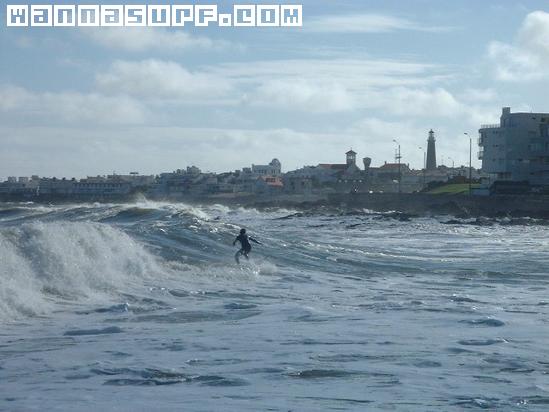
La Plage sits on the exposed Brava Beach in Punta del Este, a peninsula where the Rio de la Plata meets the Atlantic Ocean, creating dynamic coastal conditions. The landscape features long stretches of clean white sand backed by urban development in the bustling resort area, blending natural dunes with nearby beach clubs and a lively summer atmosphere. It's neither fully remote nor overwhelmingly urban, with the sandy beach providing easy access and occasional rocky outcrops nearby that add character to the surroundings.
Surf Setup
La Plage is primarily a beach break with some point influence, firing up rights and lefts that can form fun A-frames or the rare quick barrel on bigger days. The best swells roll in from the south, fueled by reliable groundswells, while north winds create ideal offshore conditions to clean up the faces. Low tide is prime for shaping up the waves, making them more approachable across the board. In a typical session, expect waist-to-head-high peelers with moderate speed, ideal for linking turns in sessions that last hours without fatigue.
Consistency and Best Time
La Plage boasts consistent surf year-round thanks to its exposure to southern groundswells, but the prime window runs from April to November when cleaner conditions and steadier waves align with offshore breezes. Winter months of June to August deliver the most reliable power, though cooler air calls for preparation. Avoid peak summer in December to March if chasing uncrowded lines, as swells can turn mushy under onshore winds, though it's still surfable for locals.
Crowd Levels
Weekdays at La Plage are often empty, giving you solo sessions on most days. Weekends see a few surfers, mostly a mix of locals and visiting travelers keeping the vibe friendly.
Who It's For
This spot suits all skill levels, from beginners paddling into soft rollers on the sandy bottom to intermediates honing turns on peeling walls. Advanced surfers will find enough ordinary power for flowy rides, especially on south swells, while newcomers appreciate the forgiving waves without intimidating size. Everyone walks away stoked from versatile sessions that build confidence.
Hazards to Respect
Watch for occasional rips pulling offshore on bigger swells, and steer clear of scattered rocks that appear at low tide. Conditions are generally mellow, so stay aware and respect the ocean's shifts.
Water Temperature and Wetsuit Guide
Summer from December to March brings water temperatures of 20 to 23°C, where boardshorts or a rash vest suffice for comfort. Winter from June to October cools to 14 to 18°C, recommending a 3/2mm fullsuit for longer sessions. Spring and fall hover around 17 to 20°C, pairing well with a spring suit or 2mm top for versatility.
How to Get There
Fly into Punta del Este International Airport (PDP), just 13 kilometers away, for the quickest access, or arrive via Montevideo's Carrasco International (MVD) about 130 kilometers west. From the airport, rent a car and drive east along Route 10 for 20 minutes to reach Brava Beach; public buses run frequently from Punta del Este's terminal to Parada 9 stops right at La Plage. Free street parking is plentiful nearby, with the beach just a short 100-meter walk from most spots, making it surfer-friendly even without wheels.

La Plage Surf Spot Guide, Uruguay
Nestled on Uruguay's vibrant Atlantic coast, La Plage delivers classic beach-break waves that peel both right and left over a forgiving sandy bottom, offering an ordinary power ride that's perfect for relaxed sessions. This spot captures the essence of underrated South American surfing with its consistent groundswells and a laid-back vibe that feels like a secret shared among wave hunters. Surfers love the uncrowded lineup where you can connect with the ocean without the hype.
Geography and Nature
La Plage sits on the exposed Brava Beach in Punta del Este, a peninsula where the Rio de la Plata meets the Atlantic Ocean, creating dynamic coastal conditions. The landscape features long stretches of clean white sand backed by urban development in the bustling resort area, blending natural dunes with nearby beach clubs and a lively summer atmosphere. It's neither fully remote nor overwhelmingly urban, with the sandy beach providing easy access and occasional rocky outcrops nearby that add character to the surroundings.
Surf Setup
La Plage is primarily a beach break with some point influence, firing up rights and lefts that can form fun A-frames or the rare quick barrel on bigger days. The best swells roll in from the south, fueled by reliable groundswells, while north winds create ideal offshore conditions to clean up the faces. Low tide is prime for shaping up the waves, making them more approachable across the board. In a typical session, expect waist-to-head-high peelers with moderate speed, ideal for linking turns in sessions that last hours without fatigue.
Consistency and Best Time
La Plage boasts consistent surf year-round thanks to its exposure to southern groundswells, but the prime window runs from April to November when cleaner conditions and steadier waves align with offshore breezes. Winter months of June to August deliver the most reliable power, though cooler air calls for preparation. Avoid peak summer in December to March if chasing uncrowded lines, as swells can turn mushy under onshore winds, though it's still surfable for locals.
Crowd Levels
Weekdays at La Plage are often empty, giving you solo sessions on most days. Weekends see a few surfers, mostly a mix of locals and visiting travelers keeping the vibe friendly.
Who It's For
This spot suits all skill levels, from beginners paddling into soft rollers on the sandy bottom to intermediates honing turns on peeling walls. Advanced surfers will find enough ordinary power for flowy rides, especially on south swells, while newcomers appreciate the forgiving waves without intimidating size. Everyone walks away stoked from versatile sessions that build confidence.
Hazards to Respect
Watch for occasional rips pulling offshore on bigger swells, and steer clear of scattered rocks that appear at low tide. Conditions are generally mellow, so stay aware and respect the ocean's shifts.
Water Temperature and Wetsuit Guide
Summer from December to March brings water temperatures of 20 to 23°C, where boardshorts or a rash vest suffice for comfort. Winter from June to October cools to 14 to 18°C, recommending a 3/2mm fullsuit for longer sessions. Spring and fall hover around 17 to 20°C, pairing well with a spring suit or 2mm top for versatility.
How to Get There
Fly into Punta del Este International Airport (PDP), just 13 kilometers away, for the quickest access, or arrive via Montevideo's Carrasco International (MVD) about 130 kilometers west. From the airport, rent a car and drive east along Route 10 for 20 minutes to reach Brava Beach; public buses run frequently from Punta del Este's terminal to Parada 9 stops right at La Plage. Free street parking is plentiful nearby, with the beach just a short 100-meter walk from most spots, making it surfer-friendly even without wheels.


Il link alle previsioni non è disponibile.





_1769440467908_vc8uboxss.jpg)