El Gringo Surf Spot Guide, Chile
El Gringo stands out as the Chilean Pipeline, a hollow and powerful reef break that delivers steep lefts and rights over sharp volcanic rock, creating an intense and rewarding challenge for dedicated surfers. This exposed spot off the Alacran Peninsula fires with fast, barreling sections that demand precision and commitment, surrounded by a vibe of raw ocean power and respect for its notorious reputation. Nestled in northern Chile's Atacama region, it offers sessions that test your limits while rewarding those who time it right.
Geography and Nature
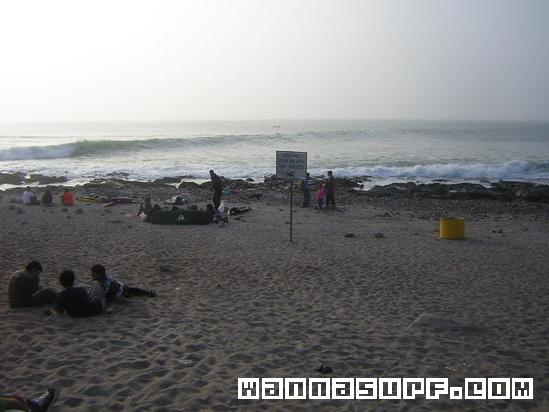
El Gringo sits on the south side of the Alacran Peninsula near Arica, connected to the mainland by a bridge and forming an outer island-like setup just 300 meters offshore. The coastal landscape features rocky shores and exposed reef rather than sandy beaches, with the wave breaking close to the peninsula's edge amid dramatic desert cliffs and arid surroundings typical of northern Chile. This remote yet accessible location provides a stark, natural backdrop that amplifies the wave's intensity.
Surf Setup
El Gringo is a classic reef break with both right and left waves, where the left stands out as a steep, hollow tube ride and the right, known as the Chilean Backdoor, offers a slightly safer channel while handling bigger sizes. It thrives on west, southwest, or south swells from 2 meters up to 4.5 meters, with northeast or east offshore winds keeping faces clean, and it works best at high tide to avoid the shallow, sharp reef. On a typical session, expect powerful, fast lines with barrel potential on the left, requiring strong duck dives and constant paddling through challenging sections.
Consistency and Best Time
This spot delivers reasonably consistent surf year-round thanks to distant groundswells, but it peaks from March to July during the southern winter when long-period south and southwest swells roll in consistently, often with glassy mornings. Avoid light onshore winds from the south that chop up the face, and steer clear of low tides which expose the reef; peak season aligns with May through July when conditions turn epic for pros. Spring and fall offer fair reliability, but summer can be smaller and less predictable.
Crowd Levels
Weekdays see few surfers in the lineup, making for uncrowded sessions, while weekends draw more riders including a mix of locals and visitors. It remains manageable overall, with slightly higher numbers during peak season.
Who It's For
El Gringo suits experienced and expert surfers who can handle heavy reef waves, powerful takeoffs, and shallow sections with little margin for error. Beginners and intermediates should look elsewhere due to the sharp bottom and intensity, but advanced riders will find world-class barrels and high-line speed. Respectful progression here builds skills on one of Chile's heaviest breaks.
Hazards to Respect
Watch for shallow reef with sharp rocks and urchins, strong rips or undertow, and the risk of heavy wipeouts in powerful conditions. Helmets are common among pros, and a cross onshore honors past incidents, underscoring the need for caution.
Water Temperature and Wetsuit Guide
Summer from December to March brings water temperatures around 18 to 20 degrees Celsius, calling for a 3/2mm fullsuit for comfort during longer sessions. Winter from June to October cools to 15 to 17 degrees Celsius, where a 4/3mm wetsuit with booties handles the chill effectively. Spring and fall hover at 16 to 18 degrees Celsius, making a solid 3/2mm wetsuit ideal for most days.
How to Get There
Fly into Chacalluta Airport (ARI) just 15 kilometers north of Arica, or Coronel FAP Carlos Ciriani Santa Rosa Airport (TCQ) in Tacna, Peru, about 48 kilometers away. From Arica's airport, drive south along the coastal road for around 10 kilometers to the Alacran Peninsula, where you can park right at the lot in front of the spot. It's a short walk or even a jump from rocks to paddle out via the channels, with no reliable public transport directly to the peninsula, so renting a car or taxi is practical.

El Gringo Surf Spot Guide, Chile
El Gringo stands out as the Chilean Pipeline, a hollow and powerful reef break that delivers steep lefts and rights over sharp volcanic rock, creating an intense and rewarding challenge for dedicated surfers. This exposed spot off the Alacran Peninsula fires with fast, barreling sections that demand precision and commitment, surrounded by a vibe of raw ocean power and respect for its notorious reputation. Nestled in northern Chile's Atacama region, it offers sessions that test your limits while rewarding those who time it right.
Geography and Nature
El Gringo sits on the south side of the Alacran Peninsula near Arica, connected to the mainland by a bridge and forming an outer island-like setup just 300 meters offshore. The coastal landscape features rocky shores and exposed reef rather than sandy beaches, with the wave breaking close to the peninsula's edge amid dramatic desert cliffs and arid surroundings typical of northern Chile. This remote yet accessible location provides a stark, natural backdrop that amplifies the wave's intensity.
Surf Setup
El Gringo is a classic reef break with both right and left waves, where the left stands out as a steep, hollow tube ride and the right, known as the Chilean Backdoor, offers a slightly safer channel while handling bigger sizes. It thrives on west, southwest, or south swells from 2 meters up to 4.5 meters, with northeast or east offshore winds keeping faces clean, and it works best at high tide to avoid the shallow, sharp reef. On a typical session, expect powerful, fast lines with barrel potential on the left, requiring strong duck dives and constant paddling through challenging sections.
Consistency and Best Time
This spot delivers reasonably consistent surf year-round thanks to distant groundswells, but it peaks from March to July during the southern winter when long-period south and southwest swells roll in consistently, often with glassy mornings. Avoid light onshore winds from the south that chop up the face, and steer clear of low tides which expose the reef; peak season aligns with May through July when conditions turn epic for pros. Spring and fall offer fair reliability, but summer can be smaller and less predictable.
Crowd Levels
Weekdays see few surfers in the lineup, making for uncrowded sessions, while weekends draw more riders including a mix of locals and visitors. It remains manageable overall, with slightly higher numbers during peak season.
Who It's For
El Gringo suits experienced and expert surfers who can handle heavy reef waves, powerful takeoffs, and shallow sections with little margin for error. Beginners and intermediates should look elsewhere due to the sharp bottom and intensity, but advanced riders will find world-class barrels and high-line speed. Respectful progression here builds skills on one of Chile's heaviest breaks.
Hazards to Respect
Watch for shallow reef with sharp rocks and urchins, strong rips or undertow, and the risk of heavy wipeouts in powerful conditions. Helmets are common among pros, and a cross onshore honors past incidents, underscoring the need for caution.
Water Temperature and Wetsuit Guide
Summer from December to March brings water temperatures around 18 to 20 degrees Celsius, calling for a 3/2mm fullsuit for comfort during longer sessions. Winter from June to October cools to 15 to 17 degrees Celsius, where a 4/3mm wetsuit with booties handles the chill effectively. Spring and fall hover at 16 to 18 degrees Celsius, making a solid 3/2mm wetsuit ideal for most days.
How to Get There
Fly into Chacalluta Airport (ARI) just 15 kilometers north of Arica, or Coronel FAP Carlos Ciriani Santa Rosa Airport (TCQ) in Tacna, Peru, about 48 kilometers away. From Arica's airport, drive south along the coastal road for around 10 kilometers to the Alacran Peninsula, where you can park right at the lot in front of the spot. It's a short walk or even a jump from rocks to paddle out via the channels, with no reliable public transport directly to the peninsula, so renting a car or taxi is practical.


Il link alle previsioni non è disponibile.