Blue Lagoon Surf Spot Guide, Saint Vincent and the Grenadines
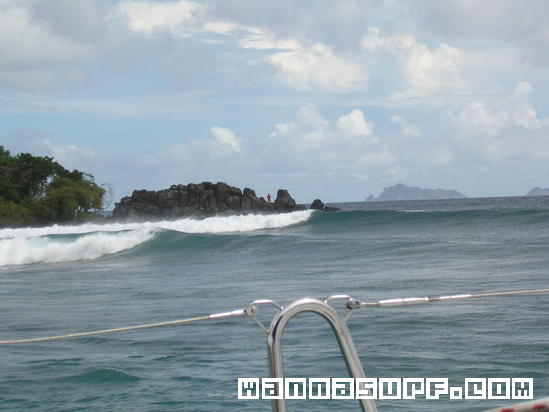
Blue Lagoon is a consistent Caribbean left-hander that breaks over a sharp coral reef, offering regular waves throughout much of the year with virtually no crowds. This is a spot where you can find quality waves in a peaceful setting, making it an ideal choice for surfers looking to escape the busier Caribbean breaks. The wave has genuine power and shape, delivering rides that reward solid technique and respect for the reef.
Geography and Nature
Blue Lagoon sits on the southwestern coast of Saint Vincent, nestled within a protected lagoon surrounded by palm trees and lush tropical vegetation. The area centers around the Blue Lagoon Marina and Hotel, which has undergone significant refurbishment in recent years. The beach itself features black volcanic sand typical of Saint Vincent's geology, creating a striking contrast with the turquoise water. The lagoon provides natural protection from larger ocean swells while still channeling quality waves through the reef break. The setting feels removed from typical resort tourism, with a genuine Caribbean character that appeals to traveling surfers seeking authenticity.
Surf Setup
Blue Lagoon is a reef break that produces a regular left-hander with ordinary power, best suited for experienced surfers who understand reef dynamics and can handle sharp coral. The wave works across all tide stages, though like most reef breaks, it has its preferred windows. Southeast, East, and Northeast swells are ideal, with North and East winds providing the cleanest conditions. On a typical session, you can expect waves ranging from 1 to 1.5 meters on smaller days, building to 1.5 to 2.5 meters when solid swell arrives. The wave has a slanted rock sheet on the takeoff and staghorn coral on the inside, requiring precise positioning and board control throughout your ride.
Consistency and Best Time
Blue Lagoon maintains regular consistency with approximately 100 surfable days per year, making it one of the more reliable spots in the region. The best season runs from December through June, when trade winds blow consistently and Northeast swells wrap around the island. This winter period offers the most predictable conditions and the cleanest waves. The summer months from July through November see reduced swell activity and less favorable wind patterns, though waves still appear regularly enough to make the spot worth checking.
Crowd Levels
Blue Lagoon remains virtually empty throughout the week, both on weekdays and weekends. The lack of crowds reflects the spot's position outside mainstream Caribbean surf tourism, making it a genuine refuge for surfers seeking solitude and untracked waves.
Who It's For
This break is designed for experienced surfers comfortable with reef breaks and sharp bottom hazards. Intermediate surfers with solid fundamentals can paddle out on smaller days, though the sharp coral demands respect and precise technique. Beginners should gain more experience elsewhere before attempting Blue Lagoon. The wave's consistency and empty lineups make it perfect for experienced surfers wanting to log serious hours without competition.
Hazards to Respect
The sharp coral reef and rock formations demand careful attention to your positioning and paddling routes. Sea urchins inhabit the reef, so wear reef booties and watch your step when entering and exiting. Rips and undertow can develop depending on swell size and tide, requiring awareness of current patterns before paddling out.
Water Temperature and Wetsuit Guide
Summer months from June to October see water temperatures around 27 to 28 degrees Celsius, requiring only board shorts or a light rashguard for sun protection. Winter from December to March brings temperatures around 25 to 26 degrees Celsius, still warm enough for minimal coverage though some surfers prefer a thin 2-millimeter vest. Spring and fall transition months maintain temperatures between 26 and 27 degrees Celsius, making board shorts the standard choice.
How to Get There
The nearest airport is E.T. Joshua Airport on Saint Vincent, approximately 20 kilometers south of Blue Lagoon. From the airport, travel north toward Kingstown and continue to the Blue Lagoon Marina area. The drive takes roughly 30 to 40 minutes depending on road conditions. Parking is available at the Blue Lagoon Marina facility. You can paddle out directly from the marina area or take a short boat ride to access the break. The marina provides full facilities including fuel, water, and food options, making it a convenient base for your visit.









Blue Lagoon Surf Spot Guide, Saint Vincent and the Grenadines
Blue Lagoon is a consistent Caribbean left-hander that breaks over a sharp coral reef, offering regular waves throughout much of the year with virtually no crowds. This is a spot where you can find quality waves in a peaceful setting, making it an ideal choice for surfers looking to escape the busier Caribbean breaks. The wave has genuine power and shape, delivering rides that reward solid technique and respect for the reef.
Geography and Nature
Blue Lagoon sits on the southwestern coast of Saint Vincent, nestled within a protected lagoon surrounded by palm trees and lush tropical vegetation. The area centers around the Blue Lagoon Marina and Hotel, which has undergone significant refurbishment in recent years. The beach itself features black volcanic sand typical of Saint Vincent's geology, creating a striking contrast with the turquoise water. The lagoon provides natural protection from larger ocean swells while still channeling quality waves through the reef break. The setting feels removed from typical resort tourism, with a genuine Caribbean character that appeals to traveling surfers seeking authenticity.
Surf Setup
Blue Lagoon is a reef break that produces a regular left-hander with ordinary power, best suited for experienced surfers who understand reef dynamics and can handle sharp coral. The wave works across all tide stages, though like most reef breaks, it has its preferred windows. Southeast, East, and Northeast swells are ideal, with North and East winds providing the cleanest conditions. On a typical session, you can expect waves ranging from 1 to 1.5 meters on smaller days, building to 1.5 to 2.5 meters when solid swell arrives. The wave has a slanted rock sheet on the takeoff and staghorn coral on the inside, requiring precise positioning and board control throughout your ride.
Consistency and Best Time
Blue Lagoon maintains regular consistency with approximately 100 surfable days per year, making it one of the more reliable spots in the region. The best season runs from December through June, when trade winds blow consistently and Northeast swells wrap around the island. This winter period offers the most predictable conditions and the cleanest waves. The summer months from July through November see reduced swell activity and less favorable wind patterns, though waves still appear regularly enough to make the spot worth checking.
Crowd Levels
Blue Lagoon remains virtually empty throughout the week, both on weekdays and weekends. The lack of crowds reflects the spot's position outside mainstream Caribbean surf tourism, making it a genuine refuge for surfers seeking solitude and untracked waves.
Who It's For
This break is designed for experienced surfers comfortable with reef breaks and sharp bottom hazards. Intermediate surfers with solid fundamentals can paddle out on smaller days, though the sharp coral demands respect and precise technique. Beginners should gain more experience elsewhere before attempting Blue Lagoon. The wave's consistency and empty lineups make it perfect for experienced surfers wanting to log serious hours without competition.
Hazards to Respect
The sharp coral reef and rock formations demand careful attention to your positioning and paddling routes. Sea urchins inhabit the reef, so wear reef booties and watch your step when entering and exiting. Rips and undertow can develop depending on swell size and tide, requiring awareness of current patterns before paddling out.
Water Temperature and Wetsuit Guide
Summer months from June to October see water temperatures around 27 to 28 degrees Celsius, requiring only board shorts or a light rashguard for sun protection. Winter from December to March brings temperatures around 25 to 26 degrees Celsius, still warm enough for minimal coverage though some surfers prefer a thin 2-millimeter vest. Spring and fall transition months maintain temperatures between 26 and 27 degrees Celsius, making board shorts the standard choice.
How to Get There
The nearest airport is E.T. Joshua Airport on Saint Vincent, approximately 20 kilometers south of Blue Lagoon. From the airport, travel north toward Kingstown and continue to the Blue Lagoon Marina area. The drive takes roughly 30 to 40 minutes depending on road conditions. Parking is available at the Blue Lagoon Marina facility. You can paddle out directly from the marina area or take a short boat ride to access the break. The marina provides full facilities including fuel, water, and food options, making it a convenient base for your visit.
Blue Lagoon Surf Spot Guide, Saint Vincent and the Grenadines
Blue Lagoon is a consistent Caribbean left-hander that breaks over a sharp coral reef, offering regular waves throughout much of the year with virtually no crowds. This is a spot where you can find quality waves in a peaceful setting, making it an ideal choice for surfers looking to escape the busier Caribbean breaks. The wave has genuine power and shape, delivering rides that reward solid technique and respect for the reef.
Geography and Nature
Blue Lagoon sits on the southwestern coast of Saint Vincent, nestled within a protected lagoon surrounded by palm trees and lush tropical vegetation. The area centers around the Blue Lagoon Marina and Hotel, which has undergone significant refurbishment in recent years. The beach itself features black volcanic sand typical of Saint Vincent's geology, creating a striking contrast with the turquoise water. The lagoon provides natural protection from larger ocean swells while still channeling quality waves through the reef break. The setting feels removed from typical resort tourism, with a genuine Caribbean character that appeals to traveling surfers seeking authenticity.
Surf Setup
Blue Lagoon is a reef break that produces a regular left-hander with ordinary power, best suited for experienced surfers who understand reef dynamics and can handle sharp coral. The wave works across all tide stages, though like most reef breaks, it has its preferred windows. Southeast, East, and Northeast swells are ideal, with North and East winds providing the cleanest conditions. On a typical session, you can expect waves ranging from 1 to 1.5 meters on smaller days, building to 1.5 to 2.5 meters when solid swell arrives. The wave has a slanted rock sheet on the takeoff and staghorn coral on the inside, requiring precise positioning and board control throughout your ride.
Consistency and Best Time
Blue Lagoon maintains regular consistency with approximately 100 surfable days per year, making it one of the more reliable spots in the region. The best season runs from December through June, when trade winds blow consistently and Northeast swells wrap around the island. This winter period offers the most predictable conditions and the cleanest waves. The summer months from July through November see reduced swell activity and less favorable wind patterns, though waves still appear regularly enough to make the spot worth checking.
Crowd Levels
Blue Lagoon remains virtually empty throughout the week, both on weekdays and weekends. The lack of crowds reflects the spot's position outside mainstream Caribbean surf tourism, making it a genuine refuge for surfers seeking solitude and untracked waves.
Who It's For
This break is designed for experienced surfers comfortable with reef breaks and sharp bottom hazards. Intermediate surfers with solid fundamentals can paddle out on smaller days, though the sharp coral demands respect and precise technique. Beginners should gain more experience elsewhere before attempting Blue Lagoon. The wave's consistency and empty lineups make it perfect for experienced surfers wanting to log serious hours without competition.
Hazards to Respect
The sharp coral reef and rock formations demand careful attention to your positioning and paddling routes. Sea urchins inhabit the reef, so wear reef booties and watch your step when entering and exiting. Rips and undertow can develop depending on swell size and tide, requiring awareness of current patterns before paddling out.
Water Temperature and Wetsuit Guide
Summer months from June to October see water temperatures around 27 to 28 degrees Celsius, requiring only board shorts or a light rashguard for sun protection. Winter from December to March brings temperatures around 25 to 26 degrees Celsius, still warm enough for minimal coverage though some surfers prefer a thin 2-millimeter vest. Spring and fall transition months maintain temperatures between 26 and 27 degrees Celsius, making board shorts the standard choice.
How to Get There
The nearest airport is E.T. Joshua Airport on Saint Vincent, approximately 20 kilometers south of Blue Lagoon. From the airport, travel north toward Kingstown and continue to the Blue Lagoon Marina area. The drive takes roughly 30 to 40 minutes depending on road conditions. Parking is available at the Blue Lagoon Marina facility. You can paddle out directly from the marina area or take a short boat ride to access the break. The marina provides full facilities including fuel, water, and food options, making it a convenient base for your visit.


Il link alle previsioni non è disponibile.