The Bowl Surf Spot Guide, UK
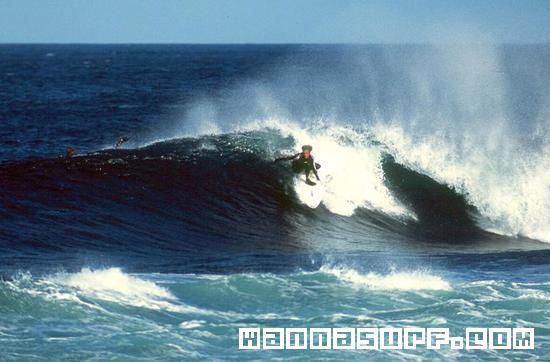
The Bowl delivers hollow, fast, and powerful waves that carve over flat rocks, creating a raw thrill for those chasing adrenaline on Scotland's wild north coast. This exposed reef break hooks you with its right-hand barrels and intense rides, set against a remote, untamed vibe that feels like a secret handshake among seasoned surfers. It's the kind of spot where every session tests your limits and rewards precision.
Geography and Nature
Nestled on the rugged north coast of Scotland in the Highland region near Brimms Ness, The Bowl sits in a remote, windswept landscape far from urban bustle. The coastal terrain features dramatic cliffs, open moors, and exposed rocky shores with minimal sandy beaches, emphasizing its wild, natural isolation. Flat rock bottom defines the reef, surrounded by the relentless North Atlantic that shapes this unforgiving yet stunning stretch of coastline.
Surf Setup
The Bowl is a right-breaking reef break with a rocky bottom that fires on northwest swells, delivering hollow, fast, and powerful waves ideal for pros or kamikaze chargers. Offshore winds from the south or southeast clean it up perfectly, while mid to high tide stages provide the safest and most rideable conditions over the flat rocks. On a typical session, expect punchy rights that barrel quickly, demanding sharp positioning and strong paddling to make the drop.
Consistency and Best Time
The Bowl offers fairly consistent surf year-round thanks to a mix of groundswells and windswells from the northwest, working at any time but peaking in autumn and winter when northwest swells build to 2-4 meters. Autumn through spring brings the most reliable clean waves, with September to March standing out for northwest energy combined with south winds. Avoid summer months if seeking power, as swells drop to under 1 meter and conditions turn mushy.
Crowd Levels
This remote spot stays empty on both weekdays and weekends, giving ample space even on firing days. You'll share waves sparingly with a small mix of locals and visiting surfers.
Who It's For
The Bowl suits advanced surfers and pros only, thanks to its powerful, hollow nature over flat rocks that punishes mistakes harshly. Beginners and intermediates should steer clear, as the fast takeoffs and heavy water demand expert board control and ocean awareness. Advanced riders can score rewarding barrels and long walls when conditions align.
Hazards to Respect
Watch for rips that can pull you out seaward and the flat rock bottom that looms underfoot on lower tides. Approach with respect to stay safe.
Water Temperature and Wetsuit Guide
Summer from June to October sees water temperatures between 12°C and 15°C, calling for a 3/2mm wetsuit for comfort. Winter from December to March drops to 8°C to 11°C, requiring a thick 5/4mm wetsuit with hood, gloves, and boots to combat the chill. Spring and fall hover around 10°C to 13°C, where a 4/3mm wetsuit plus booties keeps you warm for extended sessions.
How to Get There
Fly into the nearest airport, Wick Airport (WIC), about 37 kilometers away, or Kirkwall Airport (KOI) roughly 57 kilometers distant for regional access. From Wick, drive northwest along the A99 coastal road toward Brimms Ness, a straightforward 45-minute journey on mostly single-track roads amid stunning scenery. Limited parking exists near the headland at Brimms Ness, so arrive early; it's a short 500-meter walk over rocky terrain to the break. Public transport is sparse in this remote area, so renting a car is essential for flexibility.

The Bowl Surf Spot Guide, UK
The Bowl delivers hollow, fast, and powerful waves that carve over flat rocks, creating a raw thrill for those chasing adrenaline on Scotland's wild north coast. This exposed reef break hooks you with its right-hand barrels and intense rides, set against a remote, untamed vibe that feels like a secret handshake among seasoned surfers. It's the kind of spot where every session tests your limits and rewards precision.
Geography and Nature
Nestled on the rugged north coast of Scotland in the Highland region near Brimms Ness, The Bowl sits in a remote, windswept landscape far from urban bustle. The coastal terrain features dramatic cliffs, open moors, and exposed rocky shores with minimal sandy beaches, emphasizing its wild, natural isolation. Flat rock bottom defines the reef, surrounded by the relentless North Atlantic that shapes this unforgiving yet stunning stretch of coastline.
Surf Setup
The Bowl is a right-breaking reef break with a rocky bottom that fires on northwest swells, delivering hollow, fast, and powerful waves ideal for pros or kamikaze chargers. Offshore winds from the south or southeast clean it up perfectly, while mid to high tide stages provide the safest and most rideable conditions over the flat rocks. On a typical session, expect punchy rights that barrel quickly, demanding sharp positioning and strong paddling to make the drop.
Consistency and Best Time
The Bowl offers fairly consistent surf year-round thanks to a mix of groundswells and windswells from the northwest, working at any time but peaking in autumn and winter when northwest swells build to 2-4 meters. Autumn through spring brings the most reliable clean waves, with September to March standing out for northwest energy combined with south winds. Avoid summer months if seeking power, as swells drop to under 1 meter and conditions turn mushy.
Crowd Levels
This remote spot stays empty on both weekdays and weekends, giving ample space even on firing days. You'll share waves sparingly with a small mix of locals and visiting surfers.
Who It's For
The Bowl suits advanced surfers and pros only, thanks to its powerful, hollow nature over flat rocks that punishes mistakes harshly. Beginners and intermediates should steer clear, as the fast takeoffs and heavy water demand expert board control and ocean awareness. Advanced riders can score rewarding barrels and long walls when conditions align.
Hazards to Respect
Watch for rips that can pull you out seaward and the flat rock bottom that looms underfoot on lower tides. Approach with respect to stay safe.
Water Temperature and Wetsuit Guide
Summer from June to October sees water temperatures between 12°C and 15°C, calling for a 3/2mm wetsuit for comfort. Winter from December to March drops to 8°C to 11°C, requiring a thick 5/4mm wetsuit with hood, gloves, and boots to combat the chill. Spring and fall hover around 10°C to 13°C, where a 4/3mm wetsuit plus booties keeps you warm for extended sessions.
How to Get There
Fly into the nearest airport, Wick Airport (WIC), about 37 kilometers away, or Kirkwall Airport (KOI) roughly 57 kilometers distant for regional access. From Wick, drive northwest along the A99 coastal road toward Brimms Ness, a straightforward 45-minute journey on mostly single-track roads amid stunning scenery. Limited parking exists near the headland at Brimms Ness, so arrive early; it's a short 500-meter walk over rocky terrain to the break. Public transport is sparse in this remote area, so renting a car is essential for flexibility.


Il link alle previsioni non è disponibile.
Webcam not available