Llangennith Surf Spot Guide, UK
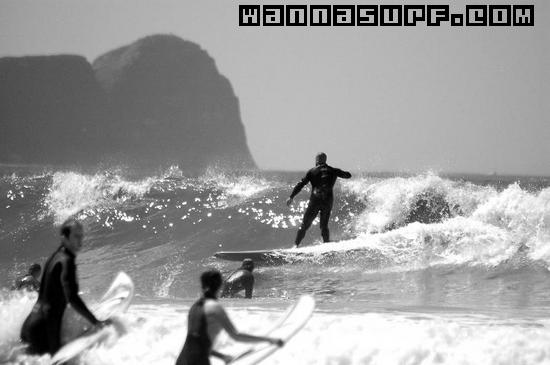
Llangennith stands out as one of South Wales' premier beach breaks, delivering reliable rights and lefts over a sandy bottom that welcomes surfers of every ability. This 4.5-kilometer stretch of golden sand on the Gower Peninsula offers an ordinary yet fun wave vibe, with ever-shifting sandbars creating varied peaks from mellow rollers to punchier faces. It's the kind of spot where you can chase swells year-round and always find a wave that matches your style.
Geography and Nature
Nestled on the wild western tip of the Gower Peninsula in South Wales, Llangennith is a remote yet accessible beach backed by vast dunes and rugged cliffs, far from urban bustle. The expansive sandy bay faces directly into the Atlantic, stretching 4.5 kilometers from the sheltered Rhossili end under Worms Head cliffs to the more exposed Llangennith side with its oat-covered dunes and dramatic headlands. This natural amphitheater of golden sands and open ocean creates a stunning, windswept coastal paradise ideal for surf exploration.
Surf Setup
Llangennith is a classic beach break firing both rights and lefts, with multiple peaks like the wider ones at Rhossili and Hillend up to 50 meters across, and the steeper, narrower Peaks section. It thrives on west, southwest, and south swells, picking up even the smallest groundswells, while southeast, east, or northeast winds deliver clean offshore conditions. The spot works across all tides, though mid-tide shines as sandbars align for the best shapes, with low tide risking more closeouts and high tide breaking onto pebble banks. On a typical session, expect fun, ordinary waves that shift with the tide, offering room to maneuver along the beach's length.
Consistency and Best Time
Llangennith boasts very good consistency, catching Atlantic swells about 300 days a year thanks to its westerly exposure, making it the Gower's swell magnet. September to November delivers the prime clean swells for defined waves, while winter brings bigger, more frequent surf from October to March. Avoid summer if chasing power, as smaller waves dominate, and steer clear of westerly onshore winds that mess up the face.
Crowd Levels
Weekdays see few surfers, giving plenty of space, while weekends and holidays draw crowds around main access points from locals and tourists alike. The beach's 4.5-kilometer length lets you walk to quieter peaks easily.
Who It's For
This spot suits all levels, from beginners to advanced surfers, with its sandy bottom and forgiving waves. Newcomers love the wide peaks and whitewash at Rhossili for easy learning, intermediates enjoy fun rights and lefts on mid-sized swells, and pros can hunt steeper faces at Peaks or bigger winter days. Everyone finds something, especially with lessons and rentals nearby.
Hazards to Respect
Watch for rips on bigger swells, particularly near Rhossili, and occasional jellyfish or weaver fish at low tide. Stay aware of changing conditions to surf safely.
Water Temperature and Wetsuit Guide
Summer from June to October brings water temperatures of 14 to 16 degrees Celsius, calling for a 3/2mm wetsuit or shorty for comfort. Winter from December to March drops to 8 to 10 degrees Celsius, requiring a full 5/4mm wetsuit with boots and gloves. Spring and fall see 11 to 14 degrees Celsius, where a 4/3mm wetsuit keeps you warm through longer sessions.
How to Get There
Fly into Cardiff Airport (CWL), 65 kilometers away, or Bristol Airport (BRS), about 130 kilometers distant, then drive via the M4. Swansea train station is 30 kilometers east; from there, catch a bus or taxi to the Gower. Driving from Swansea takes 40 minutes down the B4271 North Gower Road for Llangennith's exposed end or A4118 South Gower Road for Rhossili. Parking is plentiful—50 meters from the beach at Hillend, with paid options at Rhossili cliffs—and a short walk gets you to the sand. Public buses run seasonally from Swansea to Llangennith village.

Llangennith Surf Spot Guide, UK
Llangennith stands out as one of South Wales' premier beach breaks, delivering reliable rights and lefts over a sandy bottom that welcomes surfers of every ability. This 4.5-kilometer stretch of golden sand on the Gower Peninsula offers an ordinary yet fun wave vibe, with ever-shifting sandbars creating varied peaks from mellow rollers to punchier faces. It's the kind of spot where you can chase swells year-round and always find a wave that matches your style.
Geography and Nature
Nestled on the wild western tip of the Gower Peninsula in South Wales, Llangennith is a remote yet accessible beach backed by vast dunes and rugged cliffs, far from urban bustle. The expansive sandy bay faces directly into the Atlantic, stretching 4.5 kilometers from the sheltered Rhossili end under Worms Head cliffs to the more exposed Llangennith side with its oat-covered dunes and dramatic headlands. This natural amphitheater of golden sands and open ocean creates a stunning, windswept coastal paradise ideal for surf exploration.
Surf Setup
Llangennith is a classic beach break firing both rights and lefts, with multiple peaks like the wider ones at Rhossili and Hillend up to 50 meters across, and the steeper, narrower Peaks section. It thrives on west, southwest, and south swells, picking up even the smallest groundswells, while southeast, east, or northeast winds deliver clean offshore conditions. The spot works across all tides, though mid-tide shines as sandbars align for the best shapes, with low tide risking more closeouts and high tide breaking onto pebble banks. On a typical session, expect fun, ordinary waves that shift with the tide, offering room to maneuver along the beach's length.
Consistency and Best Time
Llangennith boasts very good consistency, catching Atlantic swells about 300 days a year thanks to its westerly exposure, making it the Gower's swell magnet. September to November delivers the prime clean swells for defined waves, while winter brings bigger, more frequent surf from October to March. Avoid summer if chasing power, as smaller waves dominate, and steer clear of westerly onshore winds that mess up the face.
Crowd Levels
Weekdays see few surfers, giving plenty of space, while weekends and holidays draw crowds around main access points from locals and tourists alike. The beach's 4.5-kilometer length lets you walk to quieter peaks easily.
Who It's For
This spot suits all levels, from beginners to advanced surfers, with its sandy bottom and forgiving waves. Newcomers love the wide peaks and whitewash at Rhossili for easy learning, intermediates enjoy fun rights and lefts on mid-sized swells, and pros can hunt steeper faces at Peaks or bigger winter days. Everyone finds something, especially with lessons and rentals nearby.
Hazards to Respect
Watch for rips on bigger swells, particularly near Rhossili, and occasional jellyfish or weaver fish at low tide. Stay aware of changing conditions to surf safely.
Water Temperature and Wetsuit Guide
Summer from June to October brings water temperatures of 14 to 16 degrees Celsius, calling for a 3/2mm wetsuit or shorty for comfort. Winter from December to March drops to 8 to 10 degrees Celsius, requiring a full 5/4mm wetsuit with boots and gloves. Spring and fall see 11 to 14 degrees Celsius, where a 4/3mm wetsuit keeps you warm through longer sessions.
How to Get There
Fly into Cardiff Airport (CWL), 65 kilometers away, or Bristol Airport (BRS), about 130 kilometers distant, then drive via the M4. Swansea train station is 30 kilometers east; from there, catch a bus or taxi to the Gower. Driving from Swansea takes 40 minutes down the B4271 North Gower Road for Llangennith's exposed end or A4118 South Gower Road for Rhossili. Parking is plentiful—50 meters from the beach at Hillend, with paid options at Rhossili cliffs—and a short walk gets you to the sand. Public buses run seasonally from Swansea to Llangennith village.


Il link alle previsioni non è disponibile.