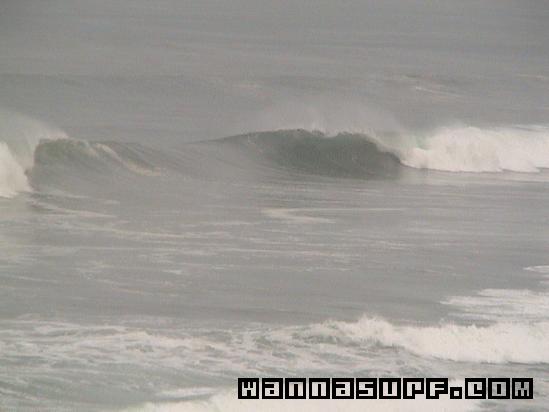
Ribeira D'Ilhas Surf Spot Guide, Portugal
Ribeira D'Ilhas stands as one of Europe's most celebrated right-hand point breaks, delivering long, peeling waves that can run for over 200 meters down the line. Located just 3 kilometers north of the coastal town of Ericeira, this mellow yet powerful wave breaks over a combination of reef and cobblestones, offering something for every skill level. The consistent, quality waves and stunning clifftop setting have made it a world-class destination that hosts international surfing competitions and attracts surfers from across the globe.
Geography and Nature
Ribeira D'Ilhas sits within a dramatic cliff-lined sandy bay on Portugal's western coast, approximately 40 kilometers north of Lisbon. The beach itself is divided into smaller sections by rocky outcrops and a river mouth, creating a scenic and varied landscape. The surrounding headland offers spectacular coastal views and walking trails along the cliffs, particularly stunning during golden hour in early morning and evening light. The natural amphitheater formed by the geography provides excellent shelter and contributes to the wave's quality and consistency.
Surf Setup
The wave is a long, mellow right-hand point break that works across all tide stages, though mid-tide typically offers the most manageable conditions. The break starts peeling at just over knee-high and can hold swell up to double overhead or larger, with the inside section becoming steeper and more powerful as the wave develops. Northwest and west swell directions produce the best results, while east and southeast winds provide ideal offshore conditions that clean up the wave face beautifully. The valley surrounding Ribeira offers more consistent offshore winds than other nearby breaks, making it a reliable choice even when conditions disappoint elsewhere. On a typical session, expect long, drawn-out walls perfect for carving and practicing technique, with multiple peaks spreading the crowd across the break.
Consistency and Best Time
Ribeira D'Ilhas ranks among Europe's most consistent waves, working approximately 150 days per year with reliable swell. The best season runs from September through May, when Atlantic swells are most frequent and powerful. Winter months deliver the most consistent and substantial waves, while summer can produce smaller, mushier conditions. The break works year-round, but expect the most challenging conditions during summer when swell diminishes and wind patterns become less favorable.
Crowd Levels
This is one of Ericeira's most popular and crowded breaks, particularly on small, clean days when conditions are most accessible. Expect significant crowds both weekdays and weekends, with numerous surf schools operating on the beach. However, multiple peaks and a long wave face mean there are usually several sections to choose from, allowing surfers to find less congested areas even on busy days.
Who It's For
Ribeira D'Ilhas genuinely suits all ability levels. Beginners can progress on the mellow outer sections and the small reform break on the northern side of the reef, while intermediates thrive on the main peak's long walls. Advanced surfers enjoy the wave's power and size potential, using the steep inside section for more aggressive maneuvers. The accessibility combined with quality makes it an ideal learning ground for improving technique.
Hazards to Respect
The main hazards include strong currents when swell picks up and the rocky outcrops at the beach exit. Surfers finishing waves near the cliff should paddle straight toward shore rather than attempting final turns, as the rocks present a genuine hazard. Be aware of the shallow reef in certain sections, particularly during low tide.
Water Temperature and Wetsuit Guide
Summer months from June to October see water temperatures around 17 to 19 degrees Celsius, requiring a 3 to 4 millimeter wetsuit. Winter from December to March drops to 14 to 16 degrees Celsius, calling for a 5 to 6 millimeter suit or hooded option. Spring and fall typically range from 15 to 18 degrees Celsius, where a 4 millimeter suit provides comfortable protection.
How to Get There
Lisbon Portela Airport (LIS) sits 40 kilometers south and takes approximately 45 minutes by car or bus. From Lisbon, drive north on the A8 motorway toward Ericeira, then follow local signs to Ribeira D'Ilhas. Ample parking exists at the beach with good facilities including showers, toilets, and restaurants. The break is accessible directly from the beach with an easy paddle out from the southern section of sand.

Ribeira D'Ilhas Surf Spot Guide, Portugal
Ribeira D'Ilhas stands as one of Europe's most celebrated right-hand point breaks, delivering long, peeling waves that can run for over 200 meters down the line. Located just 3 kilometers north of the coastal town of Ericeira, this mellow yet powerful wave breaks over a combination of reef and cobblestones, offering something for every skill level. The consistent, quality waves and stunning clifftop setting have made it a world-class destination that hosts international surfing competitions and attracts surfers from across the globe.
Geography and Nature
Ribeira D'Ilhas sits within a dramatic cliff-lined sandy bay on Portugal's western coast, approximately 40 kilometers north of Lisbon. The beach itself is divided into smaller sections by rocky outcrops and a river mouth, creating a scenic and varied landscape. The surrounding headland offers spectacular coastal views and walking trails along the cliffs, particularly stunning during golden hour in early morning and evening light. The natural amphitheater formed by the geography provides excellent shelter and contributes to the wave's quality and consistency.
Surf Setup
The wave is a long, mellow right-hand point break that works across all tide stages, though mid-tide typically offers the most manageable conditions. The break starts peeling at just over knee-high and can hold swell up to double overhead or larger, with the inside section becoming steeper and more powerful as the wave develops. Northwest and west swell directions produce the best results, while east and southeast winds provide ideal offshore conditions that clean up the wave face beautifully. The valley surrounding Ribeira offers more consistent offshore winds than other nearby breaks, making it a reliable choice even when conditions disappoint elsewhere. On a typical session, expect long, drawn-out walls perfect for carving and practicing technique, with multiple peaks spreading the crowd across the break.
Consistency and Best Time
Ribeira D'Ilhas ranks among Europe's most consistent waves, working approximately 150 days per year with reliable swell. The best season runs from September through May, when Atlantic swells are most frequent and powerful. Winter months deliver the most consistent and substantial waves, while summer can produce smaller, mushier conditions. The break works year-round, but expect the most challenging conditions during summer when swell diminishes and wind patterns become less favorable.
Crowd Levels
This is one of Ericeira's most popular and crowded breaks, particularly on small, clean days when conditions are most accessible. Expect significant crowds both weekdays and weekends, with numerous surf schools operating on the beach. However, multiple peaks and a long wave face mean there are usually several sections to choose from, allowing surfers to find less congested areas even on busy days.
Who It's For
Ribeira D'Ilhas genuinely suits all ability levels. Beginners can progress on the mellow outer sections and the small reform break on the northern side of the reef, while intermediates thrive on the main peak's long walls. Advanced surfers enjoy the wave's power and size potential, using the steep inside section for more aggressive maneuvers. The accessibility combined with quality makes it an ideal learning ground for improving technique.
Hazards to Respect
The main hazards include strong currents when swell picks up and the rocky outcrops at the beach exit. Surfers finishing waves near the cliff should paddle straight toward shore rather than attempting final turns, as the rocks present a genuine hazard. Be aware of the shallow reef in certain sections, particularly during low tide.
Water Temperature and Wetsuit Guide
Summer months from June to October see water temperatures around 17 to 19 degrees Celsius, requiring a 3 to 4 millimeter wetsuit. Winter from December to March drops to 14 to 16 degrees Celsius, calling for a 5 to 6 millimeter suit or hooded option. Spring and fall typically range from 15 to 18 degrees Celsius, where a 4 millimeter suit provides comfortable protection.
How to Get There
Lisbon Portela Airport (LIS) sits 40 kilometers south and takes approximately 45 minutes by car or bus. From Lisbon, drive north on the A8 motorway toward Ericeira, then follow local signs to Ribeira D'Ilhas. Ample parking exists at the beach with good facilities including showers, toilets, and restaurants. The break is accessible directly from the beach with an easy paddle out from the southern section of sand.


Il link alle previsioni non è disponibile.