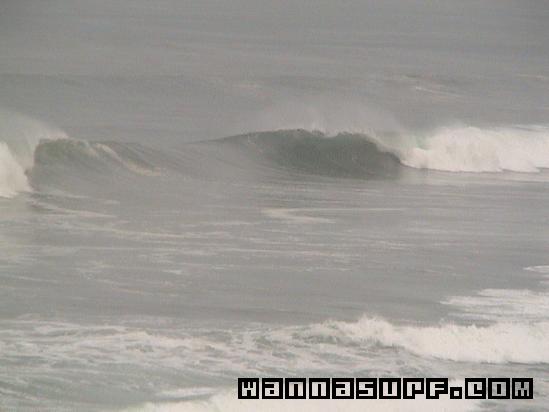
Matadouro Surf Spot Guide, Portugal
Matadouro stands out as one of Ericeira's most accessible and versatile reef breaks, offering quality waves for surfers across multiple skill levels. Located just north of the town center near the Quiksilver Boardriders store, this rocky beach delivers consistent peaks with both left and right-hand options breaking over a shallow reef and sandy bottom. The spot has earned its reputation as a training ground for progression, where beginners can find forgiving reform waves on the inside while intermediates and advanced surfers enjoy the main peaks with proper shape and power.
Geography and Nature
Matadouro sits at the northern entrance of Ericeira, approximately 50 kilometers northwest of Lisbon along Portugal's rugged Atlantic coastline. The beach itself is characterized by dark rocky outcrops and minimal sand, with tidal pools forming at low tide that add to the area's natural charm. The spot sits directly in front of a skate park and the Quiksilver flagship store, making it an easy walk from town amenities while still maintaining a relaxed, local atmosphere. The surrounding headlands provide scenic views and the beach remains relatively sheltered compared to more exposed breaks in the region.
Surf Setup
Matadouro works best with moderate swells ranging from 1.5 to 2.5 meters, though it can handle larger conditions when the swell is well-organized. The main A-frame peak produces quality rights that tend to be better formed than the lefts, with a secondary right-hand wave called Paparucos breaking on the north side of the bay. East winds provide the most favorable offshore conditions, while northwest and west swells deliver the most consistent energy. Mid-tide represents the ideal window for surfing here, as high tide causes the waves to fade and low tide exposes too much reef and rock, creating safety concerns. On a typical session with proper conditions, you can expect peeling waves with enough shape for turns and maneuvers, though the reef demands respect and awareness.
Consistency and Best Time
Matadouro maintains regular swell throughout the year, with autumn and winter months from September through March offering the most powerful and frequent swells. Spring and early summer can still produce quality sessions, though consistency drops slightly. The spot works on most tides, but timing your session around mid-tide significantly improves the experience. Winter storms bring the most dramatic swells, while summer offers smaller, more manageable conditions ideal for skill development.
Crowd Levels
Matadouro attracts a steady stream of surfers, particularly during peak hours and weekends. Surf schools frequently use the spot for lessons, which means you'll often share the lineup with groups of learners. Weekday mornings tend to offer quieter sessions, while afternoons and weekends see noticeably more activity. The local community remains welcoming to visiting surfers.
Who It's For
Beginners benefit from the reform break on the inside and the mellow nature of the waves, making it an excellent spot for lessons and early progression. Intermediate surfers find plenty to work with on the main peaks, developing their technique on quality waves without excessive power. Advanced surfers can challenge themselves on bigger days when the swell picks up, though this break isn't primarily designed as an expert venue.
Hazards to Respect
The reef and rocky bottom demand constant awareness, particularly at low tide when shallow sections become treacherous. Watch for rip currents near the main rock formation and always scout conditions before paddling out. The exposed nature of the break means wind can quickly deteriorate wave quality.
Water Temperature and Wetsuit Guide
Summer months from June through October see water temperatures around 16 to 18 degrees Celsius, requiring a 3 to 4 millimeter wetsuit. Winter from December through March drops to 12 to 14 degrees Celsius, calling for a 5 millimeter suit or thicker. Spring and fall transition periods range from 14 to 16 degrees Celsius, where a 4 millimeter suit provides comfortable protection.
How to Get There
Lisbon Portela Airport lies 50 kilometers south and serves as the primary international gateway, approximately 50 minutes by car or bus. From Lisbon, drive north on the coastal EN9 road toward Ericeira. Matadouro is clearly signposted from the main coastal road and sits immediately north of Ericeira town center. Ample parking exists near the beach, and the spot remains within walking distance of town amenities. Local buses connect Lisbon to Ericeira, with the journey taking roughly 90 minutes.

Matadouro Surf Spot Guide, Portugal
Matadouro stands out as one of Ericeira's most accessible and versatile reef breaks, offering quality waves for surfers across multiple skill levels. Located just north of the town center near the Quiksilver Boardriders store, this rocky beach delivers consistent peaks with both left and right-hand options breaking over a shallow reef and sandy bottom. The spot has earned its reputation as a training ground for progression, where beginners can find forgiving reform waves on the inside while intermediates and advanced surfers enjoy the main peaks with proper shape and power.
Geography and Nature
Matadouro sits at the northern entrance of Ericeira, approximately 50 kilometers northwest of Lisbon along Portugal's rugged Atlantic coastline. The beach itself is characterized by dark rocky outcrops and minimal sand, with tidal pools forming at low tide that add to the area's natural charm. The spot sits directly in front of a skate park and the Quiksilver flagship store, making it an easy walk from town amenities while still maintaining a relaxed, local atmosphere. The surrounding headlands provide scenic views and the beach remains relatively sheltered compared to more exposed breaks in the region.
Surf Setup
Matadouro works best with moderate swells ranging from 1.5 to 2.5 meters, though it can handle larger conditions when the swell is well-organized. The main A-frame peak produces quality rights that tend to be better formed than the lefts, with a secondary right-hand wave called Paparucos breaking on the north side of the bay. East winds provide the most favorable offshore conditions, while northwest and west swells deliver the most consistent energy. Mid-tide represents the ideal window for surfing here, as high tide causes the waves to fade and low tide exposes too much reef and rock, creating safety concerns. On a typical session with proper conditions, you can expect peeling waves with enough shape for turns and maneuvers, though the reef demands respect and awareness.
Consistency and Best Time
Matadouro maintains regular swell throughout the year, with autumn and winter months from September through March offering the most powerful and frequent swells. Spring and early summer can still produce quality sessions, though consistency drops slightly. The spot works on most tides, but timing your session around mid-tide significantly improves the experience. Winter storms bring the most dramatic swells, while summer offers smaller, more manageable conditions ideal for skill development.
Crowd Levels
Matadouro attracts a steady stream of surfers, particularly during peak hours and weekends. Surf schools frequently use the spot for lessons, which means you'll often share the lineup with groups of learners. Weekday mornings tend to offer quieter sessions, while afternoons and weekends see noticeably more activity. The local community remains welcoming to visiting surfers.
Who It's For
Beginners benefit from the reform break on the inside and the mellow nature of the waves, making it an excellent spot for lessons and early progression. Intermediate surfers find plenty to work with on the main peaks, developing their technique on quality waves without excessive power. Advanced surfers can challenge themselves on bigger days when the swell picks up, though this break isn't primarily designed as an expert venue.
Hazards to Respect
The reef and rocky bottom demand constant awareness, particularly at low tide when shallow sections become treacherous. Watch for rip currents near the main rock formation and always scout conditions before paddling out. The exposed nature of the break means wind can quickly deteriorate wave quality.
Water Temperature and Wetsuit Guide
Summer months from June through October see water temperatures around 16 to 18 degrees Celsius, requiring a 3 to 4 millimeter wetsuit. Winter from December through March drops to 12 to 14 degrees Celsius, calling for a 5 millimeter suit or thicker. Spring and fall transition periods range from 14 to 16 degrees Celsius, where a 4 millimeter suit provides comfortable protection.
How to Get There
Lisbon Portela Airport lies 50 kilometers south and serves as the primary international gateway, approximately 50 minutes by car or bus. From Lisbon, drive north on the coastal EN9 road toward Ericeira. Matadouro is clearly signposted from the main coastal road and sits immediately north of Ericeira town center. Ample parking exists near the beach, and the spot remains within walking distance of town amenities. Local buses connect Lisbon to Ericeira, with the journey taking roughly 90 minutes.


Il link alle previsioni non è disponibile.