Nirvana Beach Surf Spot Guide, Israel
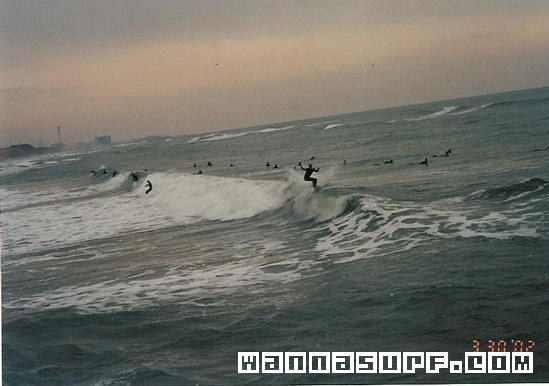
Nirvana Beach delivers fast, powerful beach-break waves that peel both left and right over a sandy bottom, creating hollow sections ideal for carving turns and the occasional barrel. This exposed spot north of Tel Aviv offers a raw, energetic vibe that rewards surfers who time their sessions right, blending Mediterranean swell with a welcoming lineup atmosphere. Whether you're chasing speed or long walls, the waves here pack punch for those ready to drop in.
Geography and Nature
Nirvana Beach sits on Israel's central Mediterranean coast, just north of Tel Aviv near Herzliya, with an exposed sandy shoreline backed by urban development and low dunes. The beach stretches several hundred meters wide, featuring fine golden sand that slopes gently into deeper water, free of reefs or jagged rocks. Surrounded by coastal highways and nearby marinas, it blends accessibility with open ocean exposure, where sea breezes sweep across uninterrupted horizons.
Surf Setup
Nirvana Beach is a classic beach break firing rights and lefts, often forming punchy A-frames when swell hits from the northwest or west. Offshore winds from the southeast, east, or northeast clean up the faces best, while northwest, west, and even southeast to east winds can work on lighter days. It handles all tides well, with mid to high delivering the most rideable shoulders. Expect a typical session to feature fast lines up to 2 meters on good winter swells, powerful enough for aggressive surfing but forgiving on the sandy bottom.
Consistency and Best Time
Surf at Nirvana Beach is inconsistent overall, but winter from November to March brings the most reliable northwest and west swells, peaking in December through February when storms deliver the best power. Spring and fall offer occasional clean days, while summer remains flat and best avoided unless chasing micro-swell. Target early mornings or weekdays for optimal conditions, checking forecasts closely due to the spot's exposure.
Crowd Levels
Weekdays see few surfers in the water, making for uncrowded sessions. Weekends draw a bigger crowd, mixing locals and visitors.
Who It's For
Nirvana Beach suits all skill levels thanks to its sandy bottom and versatile waves. Beginners can paddle into softer shoulders on smaller swells, intermediates find fast walls for turns, and advanced surfers chase the hollow, powerful tubes on bigger days. Every level gets quality rides when conditions align.
Hazards to Respect
Watch for occasional rips pulling offshore on bigger swells, and stay aware of standard beach-break currents. No major rocks or marine hazards stand out, keeping it relatively straightforward.
Water Temperature and Wetsuit Guide
Summer from June to October brings water temperatures of 24 to 28°C, so boardshorts or a rash vest suffice for long sessions. Winter from December to March drops to 16 to 20°C, calling for a full 4/3mm wetsuit with booties on chillier days. Spring and fall hover at 20 to 24°C, where a 3/2mm shorty or steamer works depending on air temps.
How to Get There
Fly into Haifa Airport (HFA), just 9 kilometers north, or Tel Aviv's Ben Gurion (TLV) about 40 kilometers south for more flights. From Haifa, drive south on Highway 2 for 15 minutes; from Tel Aviv, head north 45 minutes. Parking is available along the beachfront roads, with spots filling up weekends—arrive early. The beach is right off the highway, a short 100-meter walk from lots, and local buses from Tel Aviv or Netanya stop nearby for public options.

Nirvana Beach Surf Spot Guide, Israel
Nirvana Beach delivers fast, powerful beach-break waves that peel both left and right over a sandy bottom, creating hollow sections ideal for carving turns and the occasional barrel. This exposed spot north of Tel Aviv offers a raw, energetic vibe that rewards surfers who time their sessions right, blending Mediterranean swell with a welcoming lineup atmosphere. Whether you're chasing speed or long walls, the waves here pack punch for those ready to drop in.
Geography and Nature
Nirvana Beach sits on Israel's central Mediterranean coast, just north of Tel Aviv near Herzliya, with an exposed sandy shoreline backed by urban development and low dunes. The beach stretches several hundred meters wide, featuring fine golden sand that slopes gently into deeper water, free of reefs or jagged rocks. Surrounded by coastal highways and nearby marinas, it blends accessibility with open ocean exposure, where sea breezes sweep across uninterrupted horizons.
Surf Setup
Nirvana Beach is a classic beach break firing rights and lefts, often forming punchy A-frames when swell hits from the northwest or west. Offshore winds from the southeast, east, or northeast clean up the faces best, while northwest, west, and even southeast to east winds can work on lighter days. It handles all tides well, with mid to high delivering the most rideable shoulders. Expect a typical session to feature fast lines up to 2 meters on good winter swells, powerful enough for aggressive surfing but forgiving on the sandy bottom.
Consistency and Best Time
Surf at Nirvana Beach is inconsistent overall, but winter from November to March brings the most reliable northwest and west swells, peaking in December through February when storms deliver the best power. Spring and fall offer occasional clean days, while summer remains flat and best avoided unless chasing micro-swell. Target early mornings or weekdays for optimal conditions, checking forecasts closely due to the spot's exposure.
Crowd Levels
Weekdays see few surfers in the water, making for uncrowded sessions. Weekends draw a bigger crowd, mixing locals and visitors.
Who It's For
Nirvana Beach suits all skill levels thanks to its sandy bottom and versatile waves. Beginners can paddle into softer shoulders on smaller swells, intermediates find fast walls for turns, and advanced surfers chase the hollow, powerful tubes on bigger days. Every level gets quality rides when conditions align.
Hazards to Respect
Watch for occasional rips pulling offshore on bigger swells, and stay aware of standard beach-break currents. No major rocks or marine hazards stand out, keeping it relatively straightforward.
Water Temperature and Wetsuit Guide
Summer from June to October brings water temperatures of 24 to 28°C, so boardshorts or a rash vest suffice for long sessions. Winter from December to March drops to 16 to 20°C, calling for a full 4/3mm wetsuit with booties on chillier days. Spring and fall hover at 20 to 24°C, where a 3/2mm shorty or steamer works depending on air temps.
How to Get There
Fly into Haifa Airport (HFA), just 9 kilometers north, or Tel Aviv's Ben Gurion (TLV) about 40 kilometers south for more flights. From Haifa, drive south on Highway 2 for 15 minutes; from Tel Aviv, head north 45 minutes. Parking is available along the beachfront roads, with spots filling up weekends—arrive early. The beach is right off the highway, a short 100-meter walk from lots, and local buses from Tel Aviv or Netanya stop nearby for public options.


Il link alle previsioni non è disponibile.