
Zorba Surf Spot Guide, Uruguay
Zorba is a reliable beach break on Uruguay's southern coast that delivers hollow, fast waves across both left and right peaks. With a sandy bottom and accessibility for all skill levels, this spot offers a fun and forgiving introduction to Uruguay's Atlantic coast while maintaining enough power to keep intermediate surfers engaged. The vibrant beach atmosphere and consistent conditions make Zorba a solid choice for surfers seeking quality waves without the intensity of more technical breaks.
Geography and Nature
Located in South Uruguay near Punta del Este, Zorba sits just 4 kilometres from El Jaguel International Airport, making it one of the most accessible surf destinations in the country. The beach break features clean white sand and a straightforward layout that makes it easy to read the waves. The surrounding area has a lively, developed feel with nearby amenities and services, distinguishing it from the more remote coastal towns further east along the Rocha department.
Surf Setup
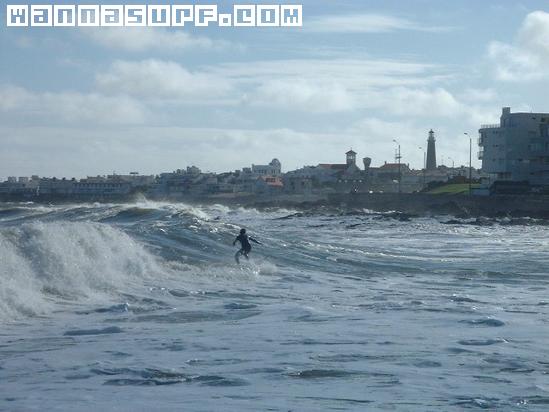
Zorba works best when southern swells combine with offshore winds from the north-northwest, which clean up the wave face and create the hollow, peeling conditions the spot is known for. The beach produces both left and right-hand waves across its expanse, giving surfers options depending on the swell angle and tide. The sandy bottom provides a forgiving surface for all abilities, and the break functions well across all tidal stages, though mid to high tide often produces the most shapely waves. On a typical session, expect fast-peeling walls with enough shape to practice turns and maneuvers without requiring advanced technique.
Consistency and Best Time
Zorba maintains fairly consistent surf throughout the year, with autumn and winter delivering the most reliable conditions and the cleanest groundswells. The period from March through September represents the prime season for visiting, when southern hemisphere winter swells are most frequent and water temperatures are manageable with proper protection. Summer months can see smaller, less organized waves, though the warmer water temperatures make this season appealing for those sensitive to cold conditions.
Crowd Levels
Weekdays at Zorba typically see only a handful of surfers in the water, allowing plenty of space and waves to yourself. Weekends attract noticeably more people, with a mix of local surfers and visiting tourists taking advantage of the accessible conditions and proximity to Punta del Este.
Who It's For
Zorba welcomes surfers of all levels. Beginners benefit from the forgiving sandy bottom and mellow wave shape, while intermediate surfers can work on technique in more organized swell. The hollow, fast nature of the waves provides enough character to keep experienced surfers interested during smaller swells, though this spot is not designed for advanced surfers seeking challenging conditions.
Hazards to Respect
Be aware of underwater rocks in the area, particularly when paddling out or catching waves near adjacent breaks. Standard ocean awareness applies, including respecting rip currents and understanding local conditions before entering the water.
Water Temperature and Wetsuit Guide
Summer months from December to February bring water temperatures around 23 to 24 degrees Celsius, allowing for minimal wetsuit coverage or a light spring suit. Winter from June to August sees temperatures drop to around 11 to 13 degrees Celsius, requiring a full spring wetsuit with hood, gloves, and boots for extended sessions. Autumn and spring offer moderate temperatures between 15 and 20 degrees Celsius, making a standard spring wetsuit the practical choice.
How to Get There
El Jaguel International Airport in Punta del Este sits just 4 kilometres away, making this the most convenient entry point for international visitors. From the airport, a short drive of 10 to 15 minutes brings you directly to Zorba. Parking is straightforward with access near the beach, and the walk from the car park to the water takes less than five minutes. Public transport options exist via local buses connecting Punta del Este to nearby towns, though having a rental vehicle provides more flexibility for exploring other breaks along the coast.

Zorba Surf Spot Guide, Uruguay
Zorba is a reliable beach break on Uruguay's southern coast that delivers hollow, fast waves across both left and right peaks. With a sandy bottom and accessibility for all skill levels, this spot offers a fun and forgiving introduction to Uruguay's Atlantic coast while maintaining enough power to keep intermediate surfers engaged. The vibrant beach atmosphere and consistent conditions make Zorba a solid choice for surfers seeking quality waves without the intensity of more technical breaks.
Geography and Nature
Located in South Uruguay near Punta del Este, Zorba sits just 4 kilometres from El Jaguel International Airport, making it one of the most accessible surf destinations in the country. The beach break features clean white sand and a straightforward layout that makes it easy to read the waves. The surrounding area has a lively, developed feel with nearby amenities and services, distinguishing it from the more remote coastal towns further east along the Rocha department.
Surf Setup
Zorba works best when southern swells combine with offshore winds from the north-northwest, which clean up the wave face and create the hollow, peeling conditions the spot is known for. The beach produces both left and right-hand waves across its expanse, giving surfers options depending on the swell angle and tide. The sandy bottom provides a forgiving surface for all abilities, and the break functions well across all tidal stages, though mid to high tide often produces the most shapely waves. On a typical session, expect fast-peeling walls with enough shape to practice turns and maneuvers without requiring advanced technique.
Consistency and Best Time
Zorba maintains fairly consistent surf throughout the year, with autumn and winter delivering the most reliable conditions and the cleanest groundswells. The period from March through September represents the prime season for visiting, when southern hemisphere winter swells are most frequent and water temperatures are manageable with proper protection. Summer months can see smaller, less organized waves, though the warmer water temperatures make this season appealing for those sensitive to cold conditions.
Crowd Levels
Weekdays at Zorba typically see only a handful of surfers in the water, allowing plenty of space and waves to yourself. Weekends attract noticeably more people, with a mix of local surfers and visiting tourists taking advantage of the accessible conditions and proximity to Punta del Este.
Who It's For
Zorba welcomes surfers of all levels. Beginners benefit from the forgiving sandy bottom and mellow wave shape, while intermediate surfers can work on technique in more organized swell. The hollow, fast nature of the waves provides enough character to keep experienced surfers interested during smaller swells, though this spot is not designed for advanced surfers seeking challenging conditions.
Hazards to Respect
Be aware of underwater rocks in the area, particularly when paddling out or catching waves near adjacent breaks. Standard ocean awareness applies, including respecting rip currents and understanding local conditions before entering the water.
Water Temperature and Wetsuit Guide
Summer months from December to February bring water temperatures around 23 to 24 degrees Celsius, allowing for minimal wetsuit coverage or a light spring suit. Winter from June to August sees temperatures drop to around 11 to 13 degrees Celsius, requiring a full spring wetsuit with hood, gloves, and boots for extended sessions. Autumn and spring offer moderate temperatures between 15 and 20 degrees Celsius, making a standard spring wetsuit the practical choice.
How to Get There
El Jaguel International Airport in Punta del Este sits just 4 kilometres away, making this the most convenient entry point for international visitors. From the airport, a short drive of 10 to 15 minutes brings you directly to Zorba. Parking is straightforward with access near the beach, and the walk from the car park to the water takes less than five minutes. Public transport options exist via local buses connecting Punta del Este to nearby towns, though having a rental vehicle provides more flexibility for exploring other breaks along the coast.


Il link alle previsioni non è disponibile.
Webcam not available





_1769440467908_vc8uboxss.jpg)