
Playa Brava Surf Spot Guide, Uruguay
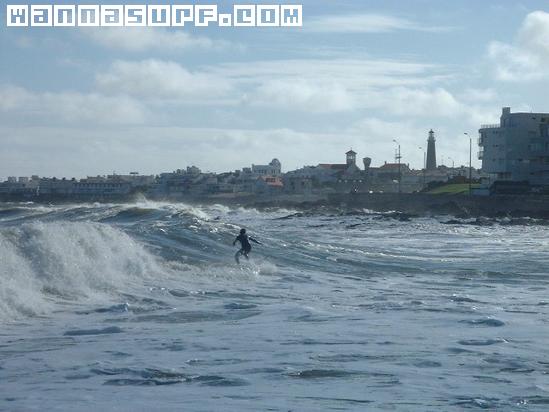
Playa Brava delivers classic beach-break action with rights and lefts peeling over a sandy bottom, offering fun, approachable waves that keep sessions lively and rewarding. This spot in Uruguay captures a relaxed coastal vibe where surfers of all levels score consistent rides without the chaos of overcrowded lineups. Nestled near vibrant beach towns, it blends reliable surf with golden sands and a welcoming atmosphere perfect for extended paddles and turns.
Geography and Nature
Playa Brava stretches along the Atlantic-facing coast in Punta del Este, Maldonado Department, where the ocean meets wide golden sands backed by dunes and urban edges. The beach is expansive and sandy, with notable features like the iconic "Los Dedos" hand sculpture emerging from the sand, marking its eastern side near José Ignacio village to the north. This blend of open beachfront and nearby coastal villages creates a dynamic yet accessible landscape, with the peninsula's position delivering steady ocean swells.
Surf Setup
Playa Brava fires as a reliable beach break producing both rights and lefts, often forming fun A-frames over the sandy bottom that allow for long, peeling rides. Optimal swells roll in from the south, southeast, or east, while north, northwest, or northeast winds hold offshore to groom clean faces. Mid tides deliver the best shape, keeping waves punchy yet forgiving. On a typical session, expect fun, regular power up to 2 meters, ideal for linking turns in a playful setup that suits multiple boards.
Consistency and Best Time
Playa Brava offers regular consistency year-round, with south and southeast swells fueling frequent sessions, though the prime window spans the Southern Hemisphere winter from June to October when bigger, more reliable waves hit. Fall through spring brings cleaner conditions and fewer flat days, making it a top pick for traveling surfers chasing steady action. Avoid peak summer months around December to February if possible, as onshore winds can chop things up, though early mornings still yield gems.
Crowd Levels
Weekdays see few surfers in the water, creating space for relaxed sessions, while weekends maintain low numbers overall. The mix includes locals and visitors, keeping the lineup friendly and uncrowded even during busier periods.
Who It's For
This spot welcomes all skill levels thanks to its sandy beach break and fun waves that rarely get too heavy. Beginners can practice on smaller days with easy takeoffs and forgiving sections, intermediates link turns on peeling walls, and advanced surfers find speed and maneuvers on bigger swells. Everyone leaves stoked from the approachable yet versatile waves.
Hazards to Respect
Strong rips can form on bigger days, so observe patterns before paddling out and stick to familiar breaks. The sandy bottom minimizes rock issues, but always respect ocean power.
Water Temperature and Wetsuit Guide
Summer from December to March brings water temperatures of 20-24°C, where boardshorts or a shorty suffice for most sessions. Winter from June to October cools to 14-18°C, calling for a full 3/2mm wetsuit to stay comfortable during longer outings. Spring and fall hover around 17-21°C, making a 2-3mm shorty or steamer ideal depending on air temps and swell size.
How to Get There
Fly into Punta del Este International Airport (PDP), just 5 kilometers from the beach, or Captain Corbeta Carlos A. Curbelo International Airport (MVD) in Montevideo, about 130 kilometers west for a 2-hour drive east along Route 10. From PDP, it's a quick 10-minute taxi or rental car ride directly to the sands, with ample free parking available right by the beach. Public buses run frequently from Punta del Este's terminal to stops within 500 meters of the break, and walking from nearby hotels takes under 10 minutes.

Playa Brava Surf Spot Guide, Uruguay
Playa Brava delivers classic beach-break action with rights and lefts peeling over a sandy bottom, offering fun, approachable waves that keep sessions lively and rewarding. This spot in Uruguay captures a relaxed coastal vibe where surfers of all levels score consistent rides without the chaos of overcrowded lineups. Nestled near vibrant beach towns, it blends reliable surf with golden sands and a welcoming atmosphere perfect for extended paddles and turns.
Geography and Nature
Playa Brava stretches along the Atlantic-facing coast in Punta del Este, Maldonado Department, where the ocean meets wide golden sands backed by dunes and urban edges. The beach is expansive and sandy, with notable features like the iconic "Los Dedos" hand sculpture emerging from the sand, marking its eastern side near José Ignacio village to the north. This blend of open beachfront and nearby coastal villages creates a dynamic yet accessible landscape, with the peninsula's position delivering steady ocean swells.
Surf Setup
Playa Brava fires as a reliable beach break producing both rights and lefts, often forming fun A-frames over the sandy bottom that allow for long, peeling rides. Optimal swells roll in from the south, southeast, or east, while north, northwest, or northeast winds hold offshore to groom clean faces. Mid tides deliver the best shape, keeping waves punchy yet forgiving. On a typical session, expect fun, regular power up to 2 meters, ideal for linking turns in a playful setup that suits multiple boards.
Consistency and Best Time
Playa Brava offers regular consistency year-round, with south and southeast swells fueling frequent sessions, though the prime window spans the Southern Hemisphere winter from June to October when bigger, more reliable waves hit. Fall through spring brings cleaner conditions and fewer flat days, making it a top pick for traveling surfers chasing steady action. Avoid peak summer months around December to February if possible, as onshore winds can chop things up, though early mornings still yield gems.
Crowd Levels
Weekdays see few surfers in the water, creating space for relaxed sessions, while weekends maintain low numbers overall. The mix includes locals and visitors, keeping the lineup friendly and uncrowded even during busier periods.
Who It's For
This spot welcomes all skill levels thanks to its sandy beach break and fun waves that rarely get too heavy. Beginners can practice on smaller days with easy takeoffs and forgiving sections, intermediates link turns on peeling walls, and advanced surfers find speed and maneuvers on bigger swells. Everyone leaves stoked from the approachable yet versatile waves.
Hazards to Respect
Strong rips can form on bigger days, so observe patterns before paddling out and stick to familiar breaks. The sandy bottom minimizes rock issues, but always respect ocean power.
Water Temperature and Wetsuit Guide
Summer from December to March brings water temperatures of 20-24°C, where boardshorts or a shorty suffice for most sessions. Winter from June to October cools to 14-18°C, calling for a full 3/2mm wetsuit to stay comfortable during longer outings. Spring and fall hover around 17-21°C, making a 2-3mm shorty or steamer ideal depending on air temps and swell size.
How to Get There
Fly into Punta del Este International Airport (PDP), just 5 kilometers from the beach, or Captain Corbeta Carlos A. Curbelo International Airport (MVD) in Montevideo, about 130 kilometers west for a 2-hour drive east along Route 10. From PDP, it's a quick 10-minute taxi or rental car ride directly to the sands, with ample free parking available right by the beach. Public buses run frequently from Punta del Este's terminal to stops within 500 meters of the break, and walking from nearby hotels takes under 10 minutes.


Il link alle previsioni non è disponibile.





_1769440467908_vc8uboxss.jpg)