
La Olla Surf Spot Guide, Uruguay
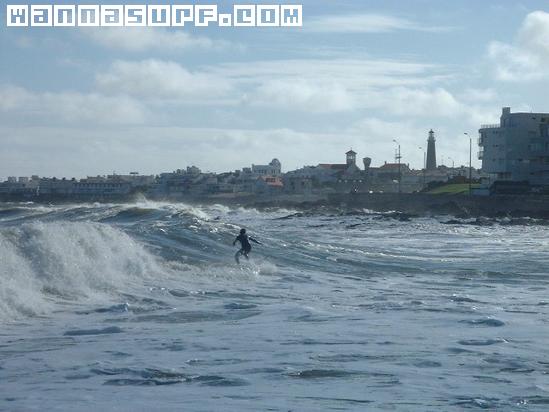
La Olla is a welcoming left-hand point break located in the heart of Punta del Este that offers fun, accessible waves suitable for surfers looking to progress their skills. With its sandy bottom interspersed with rocks and consistent swell throughout the year, this spot has become a popular training ground for beginners and intermediate surfers. The vibrant beach atmosphere combined with reliable conditions makes La Olla an essential stop for anyone exploring Uruguay's surf coast.
Geography and Nature
La Olla sits in the heart of town in Punta del Este, making it one of the most accessible surf breaks in the region. The spot is located less than 5 kilometers from El Jaguel International Airport, placing it conveniently close to the main transport hub. The beach features a mix of sandy sections and rocky outcrops that shape the wave formation, creating the distinctive point break characteristics that define this spot. The urban setting means you're never far from amenities, restaurants, and accommodation options that cater to traveling surfers.
Surf Setup
La Olla is a left-hand point break that works well at all tide stages, making it forgiving for surfers who can't time their sessions perfectly around tidal windows. The wave breaks over a sandy bottom with rocks scattered throughout, producing a consistent left wall with a decent shape that allows for multiple turns. Southeast swells combined with west-northwest offshore winds create the best conditions, though the break is fairly consistent year-round. When conditions align, expect a fun, mellow wave that peels along the point, offering plenty of opportunity to practice your technique without the intensity of more powerful breaks.
Consistency and Best Time
La Olla maintains fairly consistent surf throughout the year, with autumn and winter months offering the most reliable conditions and cleaner waves. The break receives regular groundswells that provide steady, workable waves even during summer months when some other spots go flat. Spring and fall represent ideal windows for visiting, as you'll find the best combination of swell consistency and manageable crowd levels.
Crowd Levels
Expect to find the beach relatively empty during weekdays, making it an ideal time to focus on your progression without distractions. Weekends bring noticeably larger crowds as locals and tourists alike head out for sessions, though the overall vibe remains friendly and welcoming rather than territorial.
Who It's For
La Olla is designed for beginner and intermediate surfers who want to improve their skills in a supportive environment. Beginners will appreciate the mellow wave shape and all-tide accessibility, while intermediate surfers can work on their turns and wave reading. Advanced surfers may find the conditions too gentle for their progression, though it serves as an excellent warm-up or recovery session spot.
Hazards to Respect
Rocks in the lineup require careful attention when paddling out and positioning yourself on the wave. Take time to scout the break from the beach before entering the water, and be mindful of your board placement to avoid contact with the rocky bottom.
Water Temperature and Wetsuit Guide
Summer months from December to March bring water temperatures around 21°C, making boardshorts or a thin summer wetsuit sufficient for UV protection. Winter months from June to October see temperatures drop, requiring a 2 to 3 millimeter wetsuit for comfort during extended sessions. Spring and fall offer moderate temperatures around 18 to 20°C, where a light spring suit or thin wetsuit works well.
How to Get There
El Jaguel International Airport in Punta del Este sits just 4 kilometers away, making it the most convenient arrival point. From the airport, a short taxi or rental car journey takes you directly to La Olla. The spot is accessible within a 5-minute walk from the parking area, with ample parking available near the beach. Public transport options exist through local buses, though having a rental car provides more flexibility for exploring other nearby breaks in the region.

La Olla Surf Spot Guide, Uruguay
La Olla is a welcoming left-hand point break located in the heart of Punta del Este that offers fun, accessible waves suitable for surfers looking to progress their skills. With its sandy bottom interspersed with rocks and consistent swell throughout the year, this spot has become a popular training ground for beginners and intermediate surfers. The vibrant beach atmosphere combined with reliable conditions makes La Olla an essential stop for anyone exploring Uruguay's surf coast.
Geography and Nature
La Olla sits in the heart of town in Punta del Este, making it one of the most accessible surf breaks in the region. The spot is located less than 5 kilometers from El Jaguel International Airport, placing it conveniently close to the main transport hub. The beach features a mix of sandy sections and rocky outcrops that shape the wave formation, creating the distinctive point break characteristics that define this spot. The urban setting means you're never far from amenities, restaurants, and accommodation options that cater to traveling surfers.
Surf Setup
La Olla is a left-hand point break that works well at all tide stages, making it forgiving for surfers who can't time their sessions perfectly around tidal windows. The wave breaks over a sandy bottom with rocks scattered throughout, producing a consistent left wall with a decent shape that allows for multiple turns. Southeast swells combined with west-northwest offshore winds create the best conditions, though the break is fairly consistent year-round. When conditions align, expect a fun, mellow wave that peels along the point, offering plenty of opportunity to practice your technique without the intensity of more powerful breaks.
Consistency and Best Time
La Olla maintains fairly consistent surf throughout the year, with autumn and winter months offering the most reliable conditions and cleaner waves. The break receives regular groundswells that provide steady, workable waves even during summer months when some other spots go flat. Spring and fall represent ideal windows for visiting, as you'll find the best combination of swell consistency and manageable crowd levels.
Crowd Levels
Expect to find the beach relatively empty during weekdays, making it an ideal time to focus on your progression without distractions. Weekends bring noticeably larger crowds as locals and tourists alike head out for sessions, though the overall vibe remains friendly and welcoming rather than territorial.
Who It's For
La Olla is designed for beginner and intermediate surfers who want to improve their skills in a supportive environment. Beginners will appreciate the mellow wave shape and all-tide accessibility, while intermediate surfers can work on their turns and wave reading. Advanced surfers may find the conditions too gentle for their progression, though it serves as an excellent warm-up or recovery session spot.
Hazards to Respect
Rocks in the lineup require careful attention when paddling out and positioning yourself on the wave. Take time to scout the break from the beach before entering the water, and be mindful of your board placement to avoid contact with the rocky bottom.
Water Temperature and Wetsuit Guide
Summer months from December to March bring water temperatures around 21°C, making boardshorts or a thin summer wetsuit sufficient for UV protection. Winter months from June to October see temperatures drop, requiring a 2 to 3 millimeter wetsuit for comfort during extended sessions. Spring and fall offer moderate temperatures around 18 to 20°C, where a light spring suit or thin wetsuit works well.
How to Get There
El Jaguel International Airport in Punta del Este sits just 4 kilometers away, making it the most convenient arrival point. From the airport, a short taxi or rental car journey takes you directly to La Olla. The spot is accessible within a 5-minute walk from the parking area, with ample parking available near the beach. Public transport options exist through local buses, though having a rental car provides more flexibility for exploring other nearby breaks in the region.


Il link alle previsioni non è disponibile.
Webcam not available





_1769440467908_vc8uboxss.jpg)