
El Pendorcho Surf Spot Guide, Uruguay
Pendorcho stands as one of South Uruguay's most consistent point breaks, delivering reliable waves throughout the year with a particularly strong reputation during autumn and winter swells. Located near Punta del Este, this exposed break combines a scenic coastal setting with quality lefts that peel across the point, making it a destination worth planning into any Uruguay surf trip.
Geography and Nature
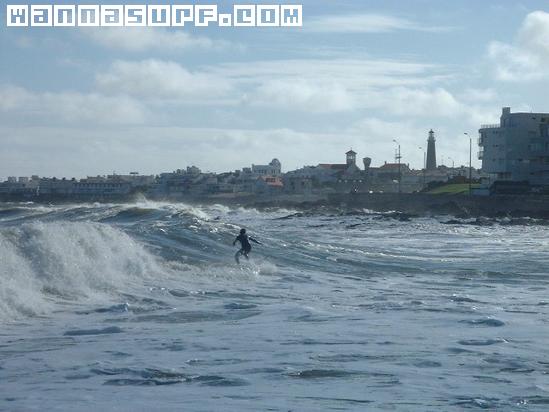
Pendorcho sits on the southern coast of Uruguay near Punta del Este, approximately 4 kilometers from the regional airport. The break is characterized by a rocky coastline that defines the point break structure, with the Maldonado River nearby influencing local conditions. The area maintains a laid-back coastal atmosphere with nearby amenities in Punta del Este, though the break itself retains a more natural, less developed feel compared to busier beach towns.
Surf Setup
The break functions as a point break with consistent left-hand waves that form the primary attraction, though rights are also available depending on swell direction and size. The sandy bottom mixed with rocks creates defined wave shape and good holding power. Best swell direction comes from the south, with groundswells proving more frequent and reliable than wind-generated swells. Offshore wind from the north-northwest cleans up the faces and creates the most desirable conditions. Low tide generally produces the best shape, though the break works across most tide stages. On a typical session with favorable conditions, you can expect well-formed lefts with good wall definition and the occasional barrel section.
Consistency and Best Time
Pendorcho delivers fairly consistent surf year-round, with autumn and winter months offering the most reliable conditions and larger swell windows. February through April and May through August represent the prime seasons when southern hemisphere swells regularly reach the break. Spring and early summer can see quieter periods, though occasional swells still produce rideable waves. The break rarely goes completely flat, making it a dependable option when other nearby spots lack shape.
Crowd Levels
Weekdays typically see minimal crowds with the break often empty or hosting just a handful of surfers. Weekends attract more activity, though crowd levels remain manageable compared to major tourist destinations. The local community is respectful and welcoming to visiting surfers who approach the break with courtesy.
Who It's For
Pendorcho suits intermediate to advanced surfers who can handle point break mechanics and navigate the rocky features. Beginners can find waves during smaller swell periods, though the rock hazards and point break characteristics require some experience. Intermediate surfers will find the most consistent fun, while advanced surfers appreciate the quality left-hand walls during larger swells.
Hazards to Respect
Rocks present the primary hazard at Pendorcho, particularly when entering and exiting the water or during larger swell periods. Respect the rocky features and plan your paddle-out carefully. The exposed nature of the break means conditions can change quickly with wind shifts.
Water Temperature and Wetsuit Guide
Summer months from December to February bring water temperatures around 22 to 23 degrees Celsius, requiring a spring wetsuit or light summer suit. Winter from June to August sees temperatures drop to around 17 to 18 degrees Celsius, necessitating a 3 to 4 millimeter spring or winter wetsuit. Autumn and spring months sit between these ranges at approximately 19 to 21 degrees Celsius, making a 2 to 3 millimeter spring suit ideal.
How to Get There
El Jaguel International Airport in Punta del Este (PDP) sits just 4 kilometers from Pendorcho, making it the most convenient arrival point. Carrasco International Airport in Montevideo (MVD) lies 106 kilometers away for those seeking alternative options. From Punta del Este, drive south toward the coastal areas near Maldonado. Parking is available near the break, with a short walk to the water. Public transport options exist from Punta del Este, though having a rental vehicle provides the most flexibility for exploring multiple breaks in the region.

El Pendorcho Surf Spot Guide, Uruguay
Pendorcho stands as one of South Uruguay's most consistent point breaks, delivering reliable waves throughout the year with a particularly strong reputation during autumn and winter swells. Located near Punta del Este, this exposed break combines a scenic coastal setting with quality lefts that peel across the point, making it a destination worth planning into any Uruguay surf trip.
Geography and Nature
Pendorcho sits on the southern coast of Uruguay near Punta del Este, approximately 4 kilometers from the regional airport. The break is characterized by a rocky coastline that defines the point break structure, with the Maldonado River nearby influencing local conditions. The area maintains a laid-back coastal atmosphere with nearby amenities in Punta del Este, though the break itself retains a more natural, less developed feel compared to busier beach towns.
Surf Setup
The break functions as a point break with consistent left-hand waves that form the primary attraction, though rights are also available depending on swell direction and size. The sandy bottom mixed with rocks creates defined wave shape and good holding power. Best swell direction comes from the south, with groundswells proving more frequent and reliable than wind-generated swells. Offshore wind from the north-northwest cleans up the faces and creates the most desirable conditions. Low tide generally produces the best shape, though the break works across most tide stages. On a typical session with favorable conditions, you can expect well-formed lefts with good wall definition and the occasional barrel section.
Consistency and Best Time
Pendorcho delivers fairly consistent surf year-round, with autumn and winter months offering the most reliable conditions and larger swell windows. February through April and May through August represent the prime seasons when southern hemisphere swells regularly reach the break. Spring and early summer can see quieter periods, though occasional swells still produce rideable waves. The break rarely goes completely flat, making it a dependable option when other nearby spots lack shape.
Crowd Levels
Weekdays typically see minimal crowds with the break often empty or hosting just a handful of surfers. Weekends attract more activity, though crowd levels remain manageable compared to major tourist destinations. The local community is respectful and welcoming to visiting surfers who approach the break with courtesy.
Who It's For
Pendorcho suits intermediate to advanced surfers who can handle point break mechanics and navigate the rocky features. Beginners can find waves during smaller swell periods, though the rock hazards and point break characteristics require some experience. Intermediate surfers will find the most consistent fun, while advanced surfers appreciate the quality left-hand walls during larger swells.
Hazards to Respect
Rocks present the primary hazard at Pendorcho, particularly when entering and exiting the water or during larger swell periods. Respect the rocky features and plan your paddle-out carefully. The exposed nature of the break means conditions can change quickly with wind shifts.
Water Temperature and Wetsuit Guide
Summer months from December to February bring water temperatures around 22 to 23 degrees Celsius, requiring a spring wetsuit or light summer suit. Winter from June to August sees temperatures drop to around 17 to 18 degrees Celsius, necessitating a 3 to 4 millimeter spring or winter wetsuit. Autumn and spring months sit between these ranges at approximately 19 to 21 degrees Celsius, making a 2 to 3 millimeter spring suit ideal.
How to Get There
El Jaguel International Airport in Punta del Este (PDP) sits just 4 kilometers from Pendorcho, making it the most convenient arrival point. Carrasco International Airport in Montevideo (MVD) lies 106 kilometers away for those seeking alternative options. From Punta del Este, drive south toward the coastal areas near Maldonado. Parking is available near the break, with a short walk to the water. Public transport options exist from Punta del Este, though having a rental vehicle provides the most flexibility for exploring multiple breaks in the region.


Il link alle previsioni non è disponibile.





_1769440467908_vc8uboxss.jpg)