
El Martillo Surf Spot Guide, Uruguay
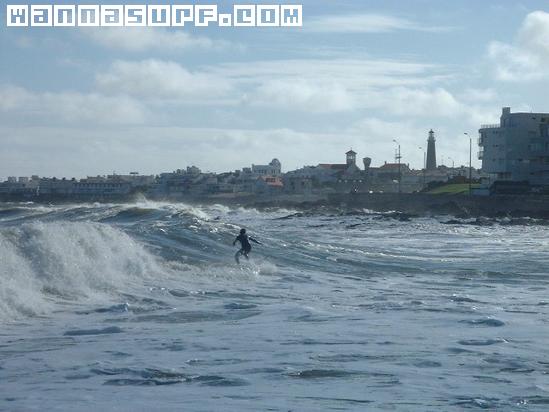
El Martillo delivers a fast, powerful right-hand point break that fires over flat rocks, drawing experienced surfers seeking high-adrenaline sessions in South Uruguay. This exposed spot unleashes clean lines from southeast swells, blending raw power with a laid-back vibe that's perfect for scoring long rides without the usual crowds. Nestled near Punta del Este, it offers that rare mix of quality waves and uncrowded lineups, making it a hidden gem for those in the know.
Geography and Nature
El Martillo sits on the rocky coastline of South Uruguay, just 1 kilometer from Punta del Este, where the Atlantic Ocean meets a dramatic point framed by jagged rock formations and transitioning sandy stretches. This exposed headland creates a wild, natural amphitheater with minimal urban development nearby, surrounded by open beaches and coastal dunes typical of the region. The flat rock bottom defines the takeoff zone, while the beach access reveals Uruguay's rugged oceanic edge, far from crowded resorts yet close enough for easy exploration.
Surf Setup
El Martillo is a classic exposed point break firing fast and powerful rights over a flat rock bottom, with the wave peeling reliably from the peak toward sandier sections further in. It thrives on clean groundswells from the southeast, south, or southwest directions, while north, northwest, or west winds deliver ideal offshore conditions to keep faces glassy. Low tide is prime for the best shape, as it exposes the rock platform without making it too shallow. On a typical session, expect punchy 1- to 2-meter faces that demand quick maneuvers and strong paddling to connect sections.
Consistency and Best Time
El Martillo boasts fairly consistent surf thanks to its exposed position, with clean groundswells rolling in regularly, especially during autumn (March to May) and winter (June to August) when southeast swells peak and deliver the most reliable power. These cooler months bring the biggest and cleanest waves, often holding up to 2.5 meters on good days. Avoid summer (December to February) when swells drop off and onshore winds dominate, leading to messier conditions, though early mornings can still surprise with workable surf.
Crowd Levels
Weekdays at El Martillo are typically empty, offering solo sessions even on firing days. Weekends see a few surfers, mostly a mix of locals and visiting travelers, keeping the vibe relaxed.
Who It's For
This spot suits experienced surfers who can handle fast, powerful rights and rocky takeoffs. Beginners should steer clear due to the demanding speed and bottom, while intermediates might catch smaller days for skill-building but will find it challenging overall. Advanced riders thrive here, linking sections on bigger swells for rewarding, high-line runs.
Hazards to Respect
Watch for strong currents that can pull across the point and the flat rocks that demand precise positioning, especially at low tide. Always scout the lineup and respect the ocean's power to stay safe.
Water Temperature and Wetsuit Guide
Summer from December to February brings water temperatures of 20 to 24 degrees Celsius, where boardshorts or a shorty 2/2 wetsuit suffice for most sessions. Winter from June to August drops to 12 to 16 degrees Celsius, calling for a full 4/3 or 5/4 wetsuit with booties for comfort in the chill. Spring (September to November) and fall (March to May) hover around 16 to 20 degrees Celsius, making a 3/2 wetsuit ideal, with gloves optional on cooler outings.
How to Get There
Fly into Punta del Este International Airport (PDP), just 7 kilometers away, for the quickest access, or Montevideo's Carrasco International (MVD) about 130 kilometers west if connecting from further afield. From the airport, rent a car and drive east along Route 10 for 10 minutes to reach the point near Punta del Este's harbor area; public buses from Punta del Este terminal run frequently to within 2 kilometers of the spot. Free street parking is plentiful right by the access path, with a short 2- to 5-minute walk over easy terrain to the rocky entry point—no four-wheel drive needed.

El Martillo Surf Spot Guide, Uruguay
El Martillo delivers a fast, powerful right-hand point break that fires over flat rocks, drawing experienced surfers seeking high-adrenaline sessions in South Uruguay. This exposed spot unleashes clean lines from southeast swells, blending raw power with a laid-back vibe that's perfect for scoring long rides without the usual crowds. Nestled near Punta del Este, it offers that rare mix of quality waves and uncrowded lineups, making it a hidden gem for those in the know.
Geography and Nature
El Martillo sits on the rocky coastline of South Uruguay, just 1 kilometer from Punta del Este, where the Atlantic Ocean meets a dramatic point framed by jagged rock formations and transitioning sandy stretches. This exposed headland creates a wild, natural amphitheater with minimal urban development nearby, surrounded by open beaches and coastal dunes typical of the region. The flat rock bottom defines the takeoff zone, while the beach access reveals Uruguay's rugged oceanic edge, far from crowded resorts yet close enough for easy exploration.
Surf Setup
El Martillo is a classic exposed point break firing fast and powerful rights over a flat rock bottom, with the wave peeling reliably from the peak toward sandier sections further in. It thrives on clean groundswells from the southeast, south, or southwest directions, while north, northwest, or west winds deliver ideal offshore conditions to keep faces glassy. Low tide is prime for the best shape, as it exposes the rock platform without making it too shallow. On a typical session, expect punchy 1- to 2-meter faces that demand quick maneuvers and strong paddling to connect sections.
Consistency and Best Time
El Martillo boasts fairly consistent surf thanks to its exposed position, with clean groundswells rolling in regularly, especially during autumn (March to May) and winter (June to August) when southeast swells peak and deliver the most reliable power. These cooler months bring the biggest and cleanest waves, often holding up to 2.5 meters on good days. Avoid summer (December to February) when swells drop off and onshore winds dominate, leading to messier conditions, though early mornings can still surprise with workable surf.
Crowd Levels
Weekdays at El Martillo are typically empty, offering solo sessions even on firing days. Weekends see a few surfers, mostly a mix of locals and visiting travelers, keeping the vibe relaxed.
Who It's For
This spot suits experienced surfers who can handle fast, powerful rights and rocky takeoffs. Beginners should steer clear due to the demanding speed and bottom, while intermediates might catch smaller days for skill-building but will find it challenging overall. Advanced riders thrive here, linking sections on bigger swells for rewarding, high-line runs.
Hazards to Respect
Watch for strong currents that can pull across the point and the flat rocks that demand precise positioning, especially at low tide. Always scout the lineup and respect the ocean's power to stay safe.
Water Temperature and Wetsuit Guide
Summer from December to February brings water temperatures of 20 to 24 degrees Celsius, where boardshorts or a shorty 2/2 wetsuit suffice for most sessions. Winter from June to August drops to 12 to 16 degrees Celsius, calling for a full 4/3 or 5/4 wetsuit with booties for comfort in the chill. Spring (September to November) and fall (March to May) hover around 16 to 20 degrees Celsius, making a 3/2 wetsuit ideal, with gloves optional on cooler outings.
How to Get There
Fly into Punta del Este International Airport (PDP), just 7 kilometers away, for the quickest access, or Montevideo's Carrasco International (MVD) about 130 kilometers west if connecting from further afield. From the airport, rent a car and drive east along Route 10 for 10 minutes to reach the point near Punta del Este's harbor area; public buses from Punta del Este terminal run frequently to within 2 kilometers of the spot. Free street parking is plentiful right by the access path, with a short 2- to 5-minute walk over easy terrain to the rocky entry point—no four-wheel drive needed.


Il link alle previsioni non è disponibile.
Webcam not available





_1769440467908_vc8uboxss.jpg)