El Faro Surf Spot Guide, Puerto Rico
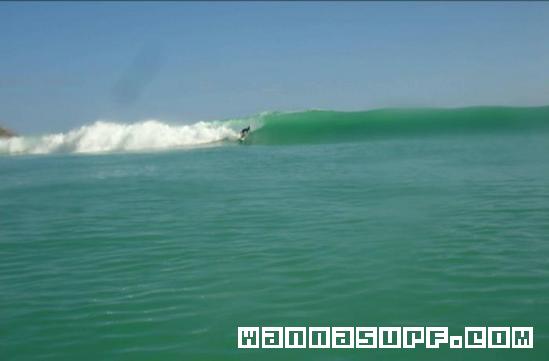
El Faro stands as one of Puerto Rico's most iconic surf destinations, nestled between the historic Rincon lighthouse and an old nuclear dome structure. This world-class point break delivers powerful, well-defined waves that peel across a rocky-reef bottom, offering experienced surfers the kind of consistent, quality rides that have earned Rincon its reputation as the Caribbean's premier surf capital. The dramatic coastal setting and reliable swell make El Faro a must-visit for serious wave riders exploring Puerto Rico's northwest coast.
Geography and Nature
Located on the northwestern tip of Puerto Rico near the municipality of Rincon, El Faro occupies a rugged stretch of coastline characterized by rocky outcrops and reef formations. The break sits directly in front of the historic Rincon lighthouse, a distinctive landmark visible from the water and surrounding beaches. The area features dramatic cliffs and boulder-strewn shores typical of this exposed headland, with clear turquoise Caribbean waters and lush tropical vegetation backing the beach. The setting is relatively undeveloped compared to other Puerto Rico breaks, maintaining a more natural, raw coastal character.
Surf Setup
El Faro works best with northeast and northwest swells, though southeast and east swells also produce rideable conditions. The break functions as a right and left point break, with the right-hand wall being the primary feature that delivers long, peeling sections ideal for experienced surfers. North and southeast winds provide the best offshore conditions, keeping the face clean and well-defined. The wave shape varies with swell size and direction, producing both hollow, powerful sections and longer workable walls depending on conditions. Tide plays an important role here, with low tide generally offering better shape and more exposed reef features, though larger swells can produce quality waves throughout the tidal cycle.
Consistency and Best Time
Winter months from November through April represent peak season at El Faro, when consistent north and northeast swells combine with favorable wind patterns to create the most reliable conditions. The break maintains fairly consistent surf throughout the winter period, though specific swell windows can be brief and powerful. Summer months see reduced swell activity, making winter the clear choice for planning a dedicated trip to this spot.
Crowd Levels
El Faro remains relatively uncrowded compared to other Caribbean breaks, with weekdays typically offering empty or nearly empty lineups. Weekend sessions attract a few dedicated local and visiting surfers, but the break rarely experiences the congestion found at more accessible spots. The respectful local community generally welcomes visiting surfers who approach with courtesy and awareness.
Who It's For
This break is designed for experienced surfers comfortable with powerful, fast-moving waves and rocky bottom hazards. Intermediate surfers with solid wave-reading skills and good paddle fitness may find certain sections manageable during smaller swells, but the power and speed of El Faro generally demand advanced ability. Beginners should watch from shore or seek instruction at more forgiving nearby breaks.
Hazards to Respect
Rocks present the primary hazard at El Faro, requiring careful entry and exit through designated channels. Sea urchins inhabit the rocky areas, so wear reef booties and watch foot placement carefully. The powerful currents and fast-moving waves demand respect and strong swimming ability.
Water Temperature and Wetsuit Guide
Summer temperatures from June to October hover around 27 to 28 degrees Celsius, requiring only board shorts and a rash vest for sun protection. Winter months from December to March cool to approximately 24 to 25 degrees Celsius, still warm enough for board shorts though some surfers prefer a light rash vest. Spring and fall maintain temperatures between 25 and 27 degrees Celsius, making board shorts the standard choice year-round.
How to Get There
The nearest major airport is Rafael Hernández International Airport in Aguadilla, located approximately 30 kilometers south of El Faro. From the airport, drive north on Route 107 toward Aguadilla, then continue on Route 413 toward Rincon. Follow Route 413 past the town of Rincon and look for directional signs toward the lighthouse. Parking is available in a lot near the historic lighthouse structure. From the parking area, access the break by walking across rocks toward the point, a journey of approximately 10 to 15 minutes depending on tide and swell conditions. Alternatively, local water taxi services operate from nearby beaches for those preferring boat access.









El Faro Surf Spot Guide, Puerto Rico
El Faro stands as one of Puerto Rico's most iconic surf destinations, nestled between the historic Rincon lighthouse and an old nuclear dome structure. This world-class point break delivers powerful, well-defined waves that peel across a rocky-reef bottom, offering experienced surfers the kind of consistent, quality rides that have earned Rincon its reputation as the Caribbean's premier surf capital. The dramatic coastal setting and reliable swell make El Faro a must-visit for serious wave riders exploring Puerto Rico's northwest coast.
Geography and Nature
Located on the northwestern tip of Puerto Rico near the municipality of Rincon, El Faro occupies a rugged stretch of coastline characterized by rocky outcrops and reef formations. The break sits directly in front of the historic Rincon lighthouse, a distinctive landmark visible from the water and surrounding beaches. The area features dramatic cliffs and boulder-strewn shores typical of this exposed headland, with clear turquoise Caribbean waters and lush tropical vegetation backing the beach. The setting is relatively undeveloped compared to other Puerto Rico breaks, maintaining a more natural, raw coastal character.
Surf Setup
El Faro works best with northeast and northwest swells, though southeast and east swells also produce rideable conditions. The break functions as a right and left point break, with the right-hand wall being the primary feature that delivers long, peeling sections ideal for experienced surfers. North and southeast winds provide the best offshore conditions, keeping the face clean and well-defined. The wave shape varies with swell size and direction, producing both hollow, powerful sections and longer workable walls depending on conditions. Tide plays an important role here, with low tide generally offering better shape and more exposed reef features, though larger swells can produce quality waves throughout the tidal cycle.
Consistency and Best Time
Winter months from November through April represent peak season at El Faro, when consistent north and northeast swells combine with favorable wind patterns to create the most reliable conditions. The break maintains fairly consistent surf throughout the winter period, though specific swell windows can be brief and powerful. Summer months see reduced swell activity, making winter the clear choice for planning a dedicated trip to this spot.
Crowd Levels
El Faro remains relatively uncrowded compared to other Caribbean breaks, with weekdays typically offering empty or nearly empty lineups. Weekend sessions attract a few dedicated local and visiting surfers, but the break rarely experiences the congestion found at more accessible spots. The respectful local community generally welcomes visiting surfers who approach with courtesy and awareness.
Who It's For
This break is designed for experienced surfers comfortable with powerful, fast-moving waves and rocky bottom hazards. Intermediate surfers with solid wave-reading skills and good paddle fitness may find certain sections manageable during smaller swells, but the power and speed of El Faro generally demand advanced ability. Beginners should watch from shore or seek instruction at more forgiving nearby breaks.
Hazards to Respect
Rocks present the primary hazard at El Faro, requiring careful entry and exit through designated channels. Sea urchins inhabit the rocky areas, so wear reef booties and watch foot placement carefully. The powerful currents and fast-moving waves demand respect and strong swimming ability.
Water Temperature and Wetsuit Guide
Summer temperatures from June to October hover around 27 to 28 degrees Celsius, requiring only board shorts and a rash vest for sun protection. Winter months from December to March cool to approximately 24 to 25 degrees Celsius, still warm enough for board shorts though some surfers prefer a light rash vest. Spring and fall maintain temperatures between 25 and 27 degrees Celsius, making board shorts the standard choice year-round.
How to Get There
The nearest major airport is Rafael Hernández International Airport in Aguadilla, located approximately 30 kilometers south of El Faro. From the airport, drive north on Route 107 toward Aguadilla, then continue on Route 413 toward Rincon. Follow Route 413 past the town of Rincon and look for directional signs toward the lighthouse. Parking is available in a lot near the historic lighthouse structure. From the parking area, access the break by walking across rocks toward the point, a journey of approximately 10 to 15 minutes depending on tide and swell conditions. Alternatively, local water taxi services operate from nearby beaches for those preferring boat access.
El Faro Surf Spot Guide, Puerto Rico
El Faro stands as one of Puerto Rico's most iconic surf destinations, nestled between the historic Rincon lighthouse and an old nuclear dome structure. This world-class point break delivers powerful, well-defined waves that peel across a rocky-reef bottom, offering experienced surfers the kind of consistent, quality rides that have earned Rincon its reputation as the Caribbean's premier surf capital. The dramatic coastal setting and reliable swell make El Faro a must-visit for serious wave riders exploring Puerto Rico's northwest coast.
Geography and Nature
Located on the northwestern tip of Puerto Rico near the municipality of Rincon, El Faro occupies a rugged stretch of coastline characterized by rocky outcrops and reef formations. The break sits directly in front of the historic Rincon lighthouse, a distinctive landmark visible from the water and surrounding beaches. The area features dramatic cliffs and boulder-strewn shores typical of this exposed headland, with clear turquoise Caribbean waters and lush tropical vegetation backing the beach. The setting is relatively undeveloped compared to other Puerto Rico breaks, maintaining a more natural, raw coastal character.
Surf Setup
El Faro works best with northeast and northwest swells, though southeast and east swells also produce rideable conditions. The break functions as a right and left point break, with the right-hand wall being the primary feature that delivers long, peeling sections ideal for experienced surfers. North and southeast winds provide the best offshore conditions, keeping the face clean and well-defined. The wave shape varies with swell size and direction, producing both hollow, powerful sections and longer workable walls depending on conditions. Tide plays an important role here, with low tide generally offering better shape and more exposed reef features, though larger swells can produce quality waves throughout the tidal cycle.
Consistency and Best Time
Winter months from November through April represent peak season at El Faro, when consistent north and northeast swells combine with favorable wind patterns to create the most reliable conditions. The break maintains fairly consistent surf throughout the winter period, though specific swell windows can be brief and powerful. Summer months see reduced swell activity, making winter the clear choice for planning a dedicated trip to this spot.
Crowd Levels
El Faro remains relatively uncrowded compared to other Caribbean breaks, with weekdays typically offering empty or nearly empty lineups. Weekend sessions attract a few dedicated local and visiting surfers, but the break rarely experiences the congestion found at more accessible spots. The respectful local community generally welcomes visiting surfers who approach with courtesy and awareness.
Who It's For
This break is designed for experienced surfers comfortable with powerful, fast-moving waves and rocky bottom hazards. Intermediate surfers with solid wave-reading skills and good paddle fitness may find certain sections manageable during smaller swells, but the power and speed of El Faro generally demand advanced ability. Beginners should watch from shore or seek instruction at more forgiving nearby breaks.
Hazards to Respect
Rocks present the primary hazard at El Faro, requiring careful entry and exit through designated channels. Sea urchins inhabit the rocky areas, so wear reef booties and watch foot placement carefully. The powerful currents and fast-moving waves demand respect and strong swimming ability.
Water Temperature and Wetsuit Guide
Summer temperatures from June to October hover around 27 to 28 degrees Celsius, requiring only board shorts and a rash vest for sun protection. Winter months from December to March cool to approximately 24 to 25 degrees Celsius, still warm enough for board shorts though some surfers prefer a light rash vest. Spring and fall maintain temperatures between 25 and 27 degrees Celsius, making board shorts the standard choice year-round.
How to Get There
The nearest major airport is Rafael Hernández International Airport in Aguadilla, located approximately 30 kilometers south of El Faro. From the airport, drive north on Route 107 toward Aguadilla, then continue on Route 413 toward Rincon. Follow Route 413 past the town of Rincon and look for directional signs toward the lighthouse. Parking is available in a lot near the historic lighthouse structure. From the parking area, access the break by walking across rocks toward the point, a journey of approximately 10 to 15 minutes depending on tide and swell conditions. Alternatively, local water taxi services operate from nearby beaches for those preferring boat access.


Il link alle previsioni non è disponibile.
Webcam not available