La Isla Surf Spot Guide, Peru
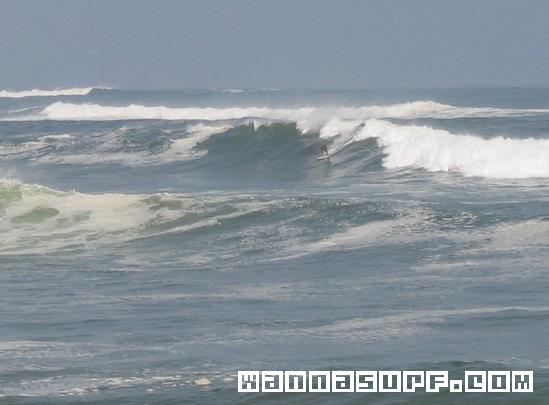
La Isla is a high-quality righthand reef break located at the tip of Punta Hermosa, just south of Lima, that delivers fast, hollow waves with excellent consistency throughout the year. This exposed rocky island joined to the mainland by a causeway produces speedy, thin-lipped waves that peel across sharp urchin-crusted rock, offering one of the region's most reliable and rewarding surf experiences. The break works at all stages of the tide and attracts intermediate to advanced surfers seeking quality waves without the massive crowds found at other Peruvian classics.
Geography and Nature
La Isla sits on a rocky outcrop at the southern edge of Punta Hermosa, approximately 60 kilometers south of Lima's city center. The break is characterized by dramatic coastal cliffs and a rugged, exposed shoreline that faces directly into Southern Hemisphere swells. The island itself is connected to the mainland via a causeway, making access straightforward, and the surrounding area features a mix of rocky points and sandy beaches typical of Peru's central coast. The landscape is arid and windswept, with minimal vegetation, creating an authentic and somewhat remote feel despite the proximity to the capital.
Surf Setup
La Isla is a righthand reef break that produces a rambling wall starting thick at the base with a crumbling lip-line and open faces ideal for carves and gouges. As the wave moves toward the inside section, steeper hooks and cover-ups become possible before it reforms into the shorebreak section called La Puntilla further to the right. A weaker lefthand wave also breaks off the peak, but it rarely offers the quality of the right. The best swell directions come from the southwest, west, and south, while offshore winds blow from the east and southeast, creating glassy conditions. The break works best at low tide, though it remains rideable at mid and high tide as well. On a typical session with moderate swell, expect waist-high to head-high waves, with the potential for double overhead during larger swells.
Consistency and Best Time
La Isla is one of Peru's most consistent breaks, receiving distant groundswells regularly throughout the year. Winter months from March through September offer the most reliable and powerful conditions, with the biggest swells arriving during this period. The break maintains fairly consistent quality even during the austral summer, making it a year-round destination. February through April and September through November represent excellent shoulder seasons with good swell and fewer crowds than peak winter months.
Crowd Levels
Expect light to moderate crowds on weekdays, with the break remaining quite manageable for surfers seeking quality waves without excessive competition. Weekends and Peruvian holidays bring significantly heavier crowds, with the break becoming heavily populated on good swell days. The local community is generally welcoming to visiting surfers.
Who It's For
La Isla is best suited for intermediate to advanced surfers due to the shallow, rocky bottom and sharp urchin-covered rocks. Beginners should seek gentler alternatives elsewhere in Punta Hermosa. Intermediate surfers comfortable with reef breaks will find plenty of challenge and reward here, while advanced surfers will appreciate the speed and hollow sections that reward technical maneuvers.
Hazards to Respect
The primary hazards at La Isla are the sharp urchin-crusted rocks covering the bottom and the shallow nature of the break. Wear reef booties and exercise caution when paddling out and exiting the water. The long paddle of approximately 350 meters can be reduced by entering from the causeway.
Water Temperature and Wetsuit Guide
From June through October during the austral winter, water temperatures range from 16 to 18 degrees Celsius, requiring a 3 to 4 millimeter wetsuit for extended sessions. From December through March during summer, temperatures warm to 20 to 22 degrees Celsius, where board shorts or a light rash vest provide adequate protection. During spring and fall months, temperatures sit between 18 and 20 degrees Celsius, making a 2 millimeter spring suit or rash vest the practical choice.
How to Get There
Jorge Chavez International Airport in Lima is the nearest major airport, located 47 kilometers north of La Isla, approximately 45 minutes to one hour by car depending on traffic. From the airport, rent a car and head south toward Punta Hermosa, following the Pan-American Highway. Parking is available near the break, and the beach is accessible via a short walk from the parking area. Public transportation options exist but are less convenient than private transport for reaching this coastal location.

La Isla Surf Spot Guide, Peru
La Isla is a high-quality righthand reef break located at the tip of Punta Hermosa, just south of Lima, that delivers fast, hollow waves with excellent consistency throughout the year. This exposed rocky island joined to the mainland by a causeway produces speedy, thin-lipped waves that peel across sharp urchin-crusted rock, offering one of the region's most reliable and rewarding surf experiences. The break works at all stages of the tide and attracts intermediate to advanced surfers seeking quality waves without the massive crowds found at other Peruvian classics.
Geography and Nature
La Isla sits on a rocky outcrop at the southern edge of Punta Hermosa, approximately 60 kilometers south of Lima's city center. The break is characterized by dramatic coastal cliffs and a rugged, exposed shoreline that faces directly into Southern Hemisphere swells. The island itself is connected to the mainland via a causeway, making access straightforward, and the surrounding area features a mix of rocky points and sandy beaches typical of Peru's central coast. The landscape is arid and windswept, with minimal vegetation, creating an authentic and somewhat remote feel despite the proximity to the capital.
Surf Setup
La Isla is a righthand reef break that produces a rambling wall starting thick at the base with a crumbling lip-line and open faces ideal for carves and gouges. As the wave moves toward the inside section, steeper hooks and cover-ups become possible before it reforms into the shorebreak section called La Puntilla further to the right. A weaker lefthand wave also breaks off the peak, but it rarely offers the quality of the right. The best swell directions come from the southwest, west, and south, while offshore winds blow from the east and southeast, creating glassy conditions. The break works best at low tide, though it remains rideable at mid and high tide as well. On a typical session with moderate swell, expect waist-high to head-high waves, with the potential for double overhead during larger swells.
Consistency and Best Time
La Isla is one of Peru's most consistent breaks, receiving distant groundswells regularly throughout the year. Winter months from March through September offer the most reliable and powerful conditions, with the biggest swells arriving during this period. The break maintains fairly consistent quality even during the austral summer, making it a year-round destination. February through April and September through November represent excellent shoulder seasons with good swell and fewer crowds than peak winter months.
Crowd Levels
Expect light to moderate crowds on weekdays, with the break remaining quite manageable for surfers seeking quality waves without excessive competition. Weekends and Peruvian holidays bring significantly heavier crowds, with the break becoming heavily populated on good swell days. The local community is generally welcoming to visiting surfers.
Who It's For
La Isla is best suited for intermediate to advanced surfers due to the shallow, rocky bottom and sharp urchin-covered rocks. Beginners should seek gentler alternatives elsewhere in Punta Hermosa. Intermediate surfers comfortable with reef breaks will find plenty of challenge and reward here, while advanced surfers will appreciate the speed and hollow sections that reward technical maneuvers.
Hazards to Respect
The primary hazards at La Isla are the sharp urchin-crusted rocks covering the bottom and the shallow nature of the break. Wear reef booties and exercise caution when paddling out and exiting the water. The long paddle of approximately 350 meters can be reduced by entering from the causeway.
Water Temperature and Wetsuit Guide
From June through October during the austral winter, water temperatures range from 16 to 18 degrees Celsius, requiring a 3 to 4 millimeter wetsuit for extended sessions. From December through March during summer, temperatures warm to 20 to 22 degrees Celsius, where board shorts or a light rash vest provide adequate protection. During spring and fall months, temperatures sit between 18 and 20 degrees Celsius, making a 2 millimeter spring suit or rash vest the practical choice.
How to Get There
Jorge Chavez International Airport in Lima is the nearest major airport, located 47 kilometers north of La Isla, approximately 45 minutes to one hour by car depending on traffic. From the airport, rent a car and head south toward Punta Hermosa, following the Pan-American Highway. Parking is available near the break, and the beach is accessible via a short walk from the parking area. Public transportation options exist but are less convenient than private transport for reaching this coastal location.


Il link alle previsioni non è disponibile.