El Faro Surf Spot Guide, Ecuador
El Faro in Puerto Villamil delivers classic beach-break fun with reliable rights and lefts peeling over a sandy bottom, perfect for sessions that keep you grinning from ear to ear. This spot captures a laid-back vibe where waves roll in consistently without the pressure of heavy crowds, letting you focus purely on the surf. Surfers love its approachable power and all-tides versatility that makes every trip rewarding.
Geography and Nature
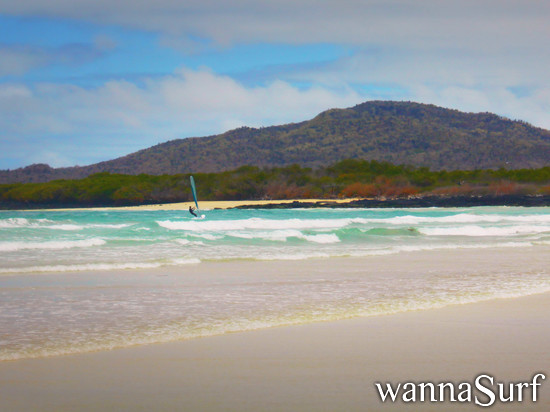
Nestled on the wild shores of Isla Isabela in the Galapagos Islands, El Faro sits in the laid-back village of Puerto Villamil, far from urban hustle and embracing a remote, natural paradise. The beach stretches long and sandy, backed by volcanic landscapes and open ocean exposure that amplify the swell's energy. Dramatic coastal features like nearby cliffs and pristine surroundings enhance the raw, untouched feel of this equatorial gem.
Surf Setup
El Faro fires as a beach break offering both punchy rights and lefts that shape up nicely into fun, rippable walls. It thrives on south swells that wrap in perfectly, while north-northwest offshore winds clean up the face for maximum rideability. The sandy bottom keeps things forgiving across all tides, so you can paddle out anytime without stressing the clock. Expect typical sessions to deliver waist-to-head-high fun waves that let you practice turns or just cruise with pure stoke.
Consistency and Best Time
This spot boasts fairly consistent surf thanks to its exposed position, with winter months from December to May delivering the most reliable south swells for peak conditions. Aim for these cooler season windows when groundswells build steadily, avoiding the calmer periods in the dry season from June to November if you're chasing bigger energy. Regular pulses keep it firing often enough for repeat visits without disappointment.
Crowd Levels
El Faro stays remarkably uncrowded, with just a few surfers sharing waves on weekdays or weekends alike. You'll find a chill mix of locals and the occasional traveler, making lineups stress-free.
Who It's For
Suited for all skill levels, El Faro shines for beginners building confidence on its mellow sandy waves, intermediates honing maneuvers on fun peaks, and advanced surfers linking sections when it powers up. Newcomers get gentle shoulders to pop up and ride, while everyone benefits from the forgiving setup. Its all-tides nature ensures progression no matter your level.
Hazards to Respect
Watch for occasional rocks near the break that can sneak up in shallower sections, and always scan for rips on bigger days. Stay aware, but the sandy bottom keeps most risks minimal.
Water Temperature and Wetsuit Guide
Summer from June to October brings balmy water temperatures of 24 to 26 degrees Celsius, so boardshorts and a rash vest suffice for comfortable sessions. Winter from December to March holds steady at 25 to 27 degrees Celsius, keeping things toasty with just a rash vest or spring suit optional on cooler mornings. Spring and fall transition periods hover around 24 to 26 degrees Celsius, ideal for minimal gear to maximize paddle time.
How to Get There
Fly into Seymour Airport (GPS) on Santa Cruz Island, about 98 kilometers away, then catch a short inter-island flight or boat to Isla Isabela. From Puerto Villamil, it's an easy walk or short taxi ride to the beach with free parking nearby. No public transport hassles here, just straightforward access that gets you in the water fast.

El Faro Surf Spot Guide, Ecuador
El Faro in Puerto Villamil delivers classic beach-break fun with reliable rights and lefts peeling over a sandy bottom, perfect for sessions that keep you grinning from ear to ear. This spot captures a laid-back vibe where waves roll in consistently without the pressure of heavy crowds, letting you focus purely on the surf. Surfers love its approachable power and all-tides versatility that makes every trip rewarding.
Geography and Nature
Nestled on the wild shores of Isla Isabela in the Galapagos Islands, El Faro sits in the laid-back village of Puerto Villamil, far from urban hustle and embracing a remote, natural paradise. The beach stretches long and sandy, backed by volcanic landscapes and open ocean exposure that amplify the swell's energy. Dramatic coastal features like nearby cliffs and pristine surroundings enhance the raw, untouched feel of this equatorial gem.
Surf Setup
El Faro fires as a beach break offering both punchy rights and lefts that shape up nicely into fun, rippable walls. It thrives on south swells that wrap in perfectly, while north-northwest offshore winds clean up the face for maximum rideability. The sandy bottom keeps things forgiving across all tides, so you can paddle out anytime without stressing the clock. Expect typical sessions to deliver waist-to-head-high fun waves that let you practice turns or just cruise with pure stoke.
Consistency and Best Time
This spot boasts fairly consistent surf thanks to its exposed position, with winter months from December to May delivering the most reliable south swells for peak conditions. Aim for these cooler season windows when groundswells build steadily, avoiding the calmer periods in the dry season from June to November if you're chasing bigger energy. Regular pulses keep it firing often enough for repeat visits without disappointment.
Crowd Levels
El Faro stays remarkably uncrowded, with just a few surfers sharing waves on weekdays or weekends alike. You'll find a chill mix of locals and the occasional traveler, making lineups stress-free.
Who It's For
Suited for all skill levels, El Faro shines for beginners building confidence on its mellow sandy waves, intermediates honing maneuvers on fun peaks, and advanced surfers linking sections when it powers up. Newcomers get gentle shoulders to pop up and ride, while everyone benefits from the forgiving setup. Its all-tides nature ensures progression no matter your level.
Hazards to Respect
Watch for occasional rocks near the break that can sneak up in shallower sections, and always scan for rips on bigger days. Stay aware, but the sandy bottom keeps most risks minimal.
Water Temperature and Wetsuit Guide
Summer from June to October brings balmy water temperatures of 24 to 26 degrees Celsius, so boardshorts and a rash vest suffice for comfortable sessions. Winter from December to March holds steady at 25 to 27 degrees Celsius, keeping things toasty with just a rash vest or spring suit optional on cooler mornings. Spring and fall transition periods hover around 24 to 26 degrees Celsius, ideal for minimal gear to maximize paddle time.
How to Get There
Fly into Seymour Airport (GPS) on Santa Cruz Island, about 98 kilometers away, then catch a short inter-island flight or boat to Isla Isabela. From Puerto Villamil, it's an easy walk or short taxi ride to the beach with free parking nearby. No public transport hassles here, just straightforward access that gets you in the water fast.


Il link alle previsioni non è disponibile.
Webcam not available