Praia da Macumba Surf Spot Guide, Brazil
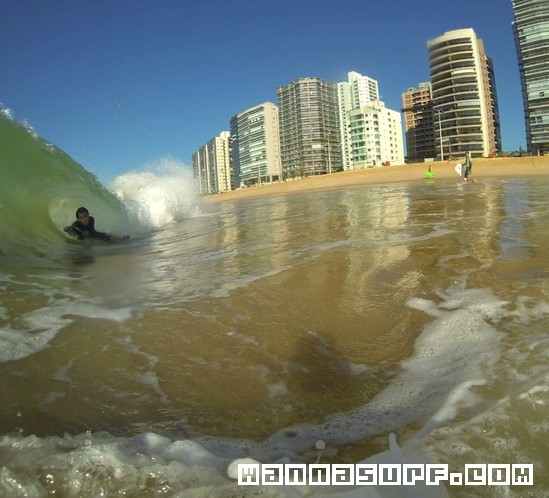
Praia da Macumba delivers classic beach-break magic with rights and lefts peeling across a sandy bottom, offering hollow, powerful, and fun waves that keep surfers coming back. Nestled on Rio de Janeiro's wilder west side, this spot blends laid-back local energy with consistent swells up to double overhead, making it a go-to for sessions that range from mellow longboard cruises to punchy carves. Whether you're chasing barrels on the right or smooth rides on the left, the vibe here rewards those who time it right.
Geography and Nature
Praia da Macumba sits in Recreio dos Bandeirantes, about 25 kilometers west of central Rio de Janeiro along the Barra da Tijuca coastline, where urban sprawl gives way to a more rugged, less touristy stretch of beach. The sandy shoreline stretches for kilometers, backed by low dunes and a scenic boardwalk, with a small island nearly linking to the coast at low tide—creating sheltered peaks on its east side at Canto do Recreio and open exposure on the west at Macumba. This natural setup forms shifty sandbars that shape reliable beach breaks amid Rio's dramatic coastal landscape.
Surf Setup
This beach break fires on rights and lefts, with A-frames at key peaks like the left corner at Farofa e Rico Point for slower, fatter waves ideal for longboarding, and faster, hollower sections toward the middle at CCB and right corner at Secreto. It thrives on south-southwest to southeast swells, holding chest-high to double overhead and bigger, while south-southwest, south, or southeast winds keep it clean offshore. Low to mid tides deliver the longest rides, though it works across all stages; expect a typical session of fun, powerful walls that let you pick your line amid moderate paddle-outs.
Consistency and Best Time
Praia da Macumba boasts very high consistency, firing on about 150 days a year thanks to its exposure to south and southwest swells that roll in year-round. Fall and winter months from March to August bring the best conditions with larger, more powerful swells and favorable winds, while avoiding heavy summer rains helps maintain clean water. Steer clear of post-rain days when quality dips, but overall, it's a reliable pick anytime swells align.
Crowd Levels
Weekdays see few surfers in the lineup, giving ample waves, while weekends draw a bigger mix of locals and visitors, ramping up to crowded peaks. The crowd blends friendly longboarders with shortboarders, keeping the overall vibe approachable.
Who It's For
Suited for all skill levels, Praia da Macumba shines for beginners at the gentler left corner with forgiving sand and smaller faces, intermediates across the middle peaks for practicing turns on fun shapes, and advanced surfers tackling the hollow rights and bigger days. Longboarders dominate, creating a welcoming lineup where everyone finds waves matching their style. No matter your level, the sandy bottom and variety keep it progression-friendly.
Hazards to Respect
Watch for strong currents, especially around mid-beach rocks, and stay alert to other surfers and boards in busier sections. No major reefs or urchins, but respect the power on bigger swells.
Water Temperature and Wetsuit Guide
Summer from December to March brings warm waters averaging 24-28°C, so boardshorts or a rash guard suffice for most sessions. Winter from June to September cools to 18-22°C, calling for a 2-3mm shorty wetsuit on chillier days. Spring from September to December and fall from March to June hover at 21-25°C, where a spring suit works well for comfort.
How to Get There
Fly into Rio de Janeiro's Galeão International Airport (GIG), about 40 kilometers east, or Santos Dumont (SDU) roughly 35 kilometers away, then drive west via Avenida das Américas through Barra da Tijuca for a straightforward 45-60 minute trip. Public buses from Zona Sul stops like Copacabana run along the coast to Recreio, dropping near Posto 10 or 12 for a short walk to the beach. Parking is easy along the road or lots by the kiosks, with the sand just meters away—arrive early on weekends.

Praia da Macumba Surf Spot Guide, Brazil
Praia da Macumba delivers classic beach-break magic with rights and lefts peeling across a sandy bottom, offering hollow, powerful, and fun waves that keep surfers coming back. Nestled on Rio de Janeiro's wilder west side, this spot blends laid-back local energy with consistent swells up to double overhead, making it a go-to for sessions that range from mellow longboard cruises to punchy carves. Whether you're chasing barrels on the right or smooth rides on the left, the vibe here rewards those who time it right.
Geography and Nature
Praia da Macumba sits in Recreio dos Bandeirantes, about 25 kilometers west of central Rio de Janeiro along the Barra da Tijuca coastline, where urban sprawl gives way to a more rugged, less touristy stretch of beach. The sandy shoreline stretches for kilometers, backed by low dunes and a scenic boardwalk, with a small island nearly linking to the coast at low tide—creating sheltered peaks on its east side at Canto do Recreio and open exposure on the west at Macumba. This natural setup forms shifty sandbars that shape reliable beach breaks amid Rio's dramatic coastal landscape.
Surf Setup
This beach break fires on rights and lefts, with A-frames at key peaks like the left corner at Farofa e Rico Point for slower, fatter waves ideal for longboarding, and faster, hollower sections toward the middle at CCB and right corner at Secreto. It thrives on south-southwest to southeast swells, holding chest-high to double overhead and bigger, while south-southwest, south, or southeast winds keep it clean offshore. Low to mid tides deliver the longest rides, though it works across all stages; expect a typical session of fun, powerful walls that let you pick your line amid moderate paddle-outs.
Consistency and Best Time
Praia da Macumba boasts very high consistency, firing on about 150 days a year thanks to its exposure to south and southwest swells that roll in year-round. Fall and winter months from March to August bring the best conditions with larger, more powerful swells and favorable winds, while avoiding heavy summer rains helps maintain clean water. Steer clear of post-rain days when quality dips, but overall, it's a reliable pick anytime swells align.
Crowd Levels
Weekdays see few surfers in the lineup, giving ample waves, while weekends draw a bigger mix of locals and visitors, ramping up to crowded peaks. The crowd blends friendly longboarders with shortboarders, keeping the overall vibe approachable.
Who It's For
Suited for all skill levels, Praia da Macumba shines for beginners at the gentler left corner with forgiving sand and smaller faces, intermediates across the middle peaks for practicing turns on fun shapes, and advanced surfers tackling the hollow rights and bigger days. Longboarders dominate, creating a welcoming lineup where everyone finds waves matching their style. No matter your level, the sandy bottom and variety keep it progression-friendly.
Hazards to Respect
Watch for strong currents, especially around mid-beach rocks, and stay alert to other surfers and boards in busier sections. No major reefs or urchins, but respect the power on bigger swells.
Water Temperature and Wetsuit Guide
Summer from December to March brings warm waters averaging 24-28°C, so boardshorts or a rash guard suffice for most sessions. Winter from June to September cools to 18-22°C, calling for a 2-3mm shorty wetsuit on chillier days. Spring from September to December and fall from March to June hover at 21-25°C, where a spring suit works well for comfort.
How to Get There
Fly into Rio de Janeiro's Galeão International Airport (GIG), about 40 kilometers east, or Santos Dumont (SDU) roughly 35 kilometers away, then drive west via Avenida das Américas through Barra da Tijuca for a straightforward 45-60 minute trip. Public buses from Zona Sul stops like Copacabana run along the coast to Recreio, dropping near Posto 10 or 12 for a short walk to the beach. Parking is easy along the road or lots by the kiosks, with the sand just meters away—arrive early on weekends.


Il link alle previsioni non è disponibile.



_1769440012322_3pz4lnzp6.jpg)