Wariruri Surf Spot Guide, Aruba
Wariruri delivers a fun and accessible reef break that works across all tide stages, making it one of Aruba's most reliable spots for surfers seeking quality waves without the intensity of the island's heavier breaks. The reef bottom with sandy pockets creates a forgiving platform for both right and left-handers, while consistent north swells keep this spot firing throughout the year. The relaxed atmosphere and friendly local community make Wariruri feel like a genuine surfer's beach rather than a tourist attraction.
Geography and Nature
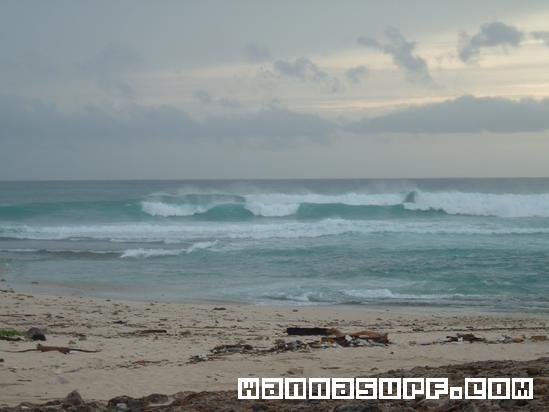
Located on Aruba's east coast, Wariruri sits in a protected bay that shields surfers from the harshest conditions while still capturing quality swell. The approach takes you past the Natural Bridge and old Gold Mine Ruins, adding a sense of adventure to your journey. The rocky beach transitions into the water with a mix of sand and reef, creating a natural amphitheater where the ocean's power is channeled into clean, rideable waves. The landscape feels remote and authentic, far removed from the developed western beaches.
Surf Setup
Wariruri is a reef break that produces both right and left-handers with a sandy bottom interspersed with rocks and sharp coral. The spot works best with north swell, and north winds provide the ideal offshore conditions to groom the waves into clean, peeling lines. You can paddle out at any tide stage, though rising and falling tides offer the most consistent shape. On a typical session, expect ordinary power that becomes noticeably more rippable when swells exceed 1.5 meters, giving you playful, maneuverable waves that reward good technique.
Consistency and Best Time
Wariruri is remarkably consistent, with quality waves available roughly 150 days per year. The late fall and winter months from November through March bring the most reliable swell from winter storms and occasional hurricane swells, making this the prime season for visiting. You can still find waves during the summer months, but conditions become less predictable. The spot maintains its character year-round, making it a solid choice whenever you can travel.
Crowd Levels
Weekdays at Wariruri are typically empty, giving you plenty of space to practice and progress. Weekends see a few local surfers, but the bay is spacious enough that you'll never feel crowded or pressured. The friendly locals welcome respectful visiting surfers, and the relaxed vibe means you can focus entirely on the waves.
Who It's For
Wariruri suits intermediate to advanced surfers who understand reef conditions and can navigate rocky terrain safely. The waves are forgiving enough for intermediate surfers to progress and try new maneuvers, while the consistent shape and multiple peak options keep advanced surfers engaged. Beginners should consider starting at Malmok Beach before attempting Wariruri's reef environment.
Hazards to Respect
The rocky and coral bottom demands respect and proper footwear. Watch for rips, particularly on the left side of the bay, and be cautious of sea urchins in shallow water. Timing your paddle-out carefully and understanding the local currents will keep you safe.
Water Temperature and Wetsuit Guide
Summer months from June to October see water temperatures around 27 to 29 degrees Celsius, requiring only a thin rash guard or no wetsuit at all. Winter months from December to March cool down to approximately 24 to 26 degrees Celsius, where a light 2-millimeter springsuit provides comfort. Spring and fall transition months maintain temperatures between 25 and 28 degrees Celsius, making a rash guard sufficient for most surfers.
How to Get There
Aruba's Queen Beatrix International Airport sits approximately 25 kilometers from Wariruri. Rent a vehicle at the airport and head toward the Natural Bridge on the east coast. Follow signs toward the Natural Bridge, take a left on a dirt road, and continue past the old Gold Mine Ruins until you reach the rocky beach. Parking is available near the access point. The walk from parking to the water takes just a few minutes, making access straightforward for prepared surfers.

Wariruri Surf Spot Guide, Aruba
Wariruri delivers a fun and accessible reef break that works across all tide stages, making it one of Aruba's most reliable spots for surfers seeking quality waves without the intensity of the island's heavier breaks. The reef bottom with sandy pockets creates a forgiving platform for both right and left-handers, while consistent north swells keep this spot firing throughout the year. The relaxed atmosphere and friendly local community make Wariruri feel like a genuine surfer's beach rather than a tourist attraction.
Geography and Nature
Located on Aruba's east coast, Wariruri sits in a protected bay that shields surfers from the harshest conditions while still capturing quality swell. The approach takes you past the Natural Bridge and old Gold Mine Ruins, adding a sense of adventure to your journey. The rocky beach transitions into the water with a mix of sand and reef, creating a natural amphitheater where the ocean's power is channeled into clean, rideable waves. The landscape feels remote and authentic, far removed from the developed western beaches.
Surf Setup
Wariruri is a reef break that produces both right and left-handers with a sandy bottom interspersed with rocks and sharp coral. The spot works best with north swell, and north winds provide the ideal offshore conditions to groom the waves into clean, peeling lines. You can paddle out at any tide stage, though rising and falling tides offer the most consistent shape. On a typical session, expect ordinary power that becomes noticeably more rippable when swells exceed 1.5 meters, giving you playful, maneuverable waves that reward good technique.
Consistency and Best Time
Wariruri is remarkably consistent, with quality waves available roughly 150 days per year. The late fall and winter months from November through March bring the most reliable swell from winter storms and occasional hurricane swells, making this the prime season for visiting. You can still find waves during the summer months, but conditions become less predictable. The spot maintains its character year-round, making it a solid choice whenever you can travel.
Crowd Levels
Weekdays at Wariruri are typically empty, giving you plenty of space to practice and progress. Weekends see a few local surfers, but the bay is spacious enough that you'll never feel crowded or pressured. The friendly locals welcome respectful visiting surfers, and the relaxed vibe means you can focus entirely on the waves.
Who It's For
Wariruri suits intermediate to advanced surfers who understand reef conditions and can navigate rocky terrain safely. The waves are forgiving enough for intermediate surfers to progress and try new maneuvers, while the consistent shape and multiple peak options keep advanced surfers engaged. Beginners should consider starting at Malmok Beach before attempting Wariruri's reef environment.
Hazards to Respect
The rocky and coral bottom demands respect and proper footwear. Watch for rips, particularly on the left side of the bay, and be cautious of sea urchins in shallow water. Timing your paddle-out carefully and understanding the local currents will keep you safe.
Water Temperature and Wetsuit Guide
Summer months from June to October see water temperatures around 27 to 29 degrees Celsius, requiring only a thin rash guard or no wetsuit at all. Winter months from December to March cool down to approximately 24 to 26 degrees Celsius, where a light 2-millimeter springsuit provides comfort. Spring and fall transition months maintain temperatures between 25 and 28 degrees Celsius, making a rash guard sufficient for most surfers.
How to Get There
Aruba's Queen Beatrix International Airport sits approximately 25 kilometers from Wariruri. Rent a vehicle at the airport and head toward the Natural Bridge on the east coast. Follow signs toward the Natural Bridge, take a left on a dirt road, and continue past the old Gold Mine Ruins until you reach the rocky beach. Parking is available near the access point. The walk from parking to the water takes just a few minutes, making access straightforward for prepared surfers.


Il link alle previsioni non è disponibile.
Webcam not available