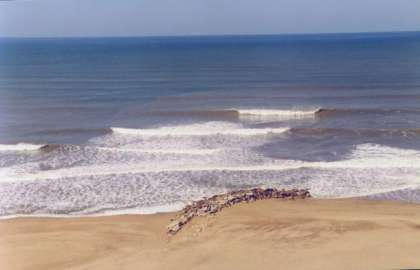
Suicides Surf Spot Guide, Nicaragua
Suicides is a powerful reef break located near Puerto Sandino on Nicaragua's Pacific coast that demands respect and experience. This is a wave for committed surfers seeking intense barrels and long rides in a relatively uncrowded setting. The break's reputation comes from its raw power, sharp reef bottom, and the kind of waves that reward precision and commitment.
Geography and Nature
Suicides sits near Puerto Sandino in the northwestern region of Nicaragua's Pacific coast. The area is characterized by rocky outcrops and reef formations that create the break's distinctive shape. The coastline here is less developed than the southern Rivas region, offering a more rugged and natural setting. The surrounding landscape features tropical vegetation meeting the coast, with the break accessible from the nearby town of Puerto Sandino.
Surf Setup
Suicides is a left-hand reef break that works best at low tide when the reef formation creates the most defined wave shape. The break produces powerful, hollow waves that can reach up to 400 meters on optimal days, offering long rides for those who make the drop. Best swell directions come from southern and southwestern swells, which wrap around the coast and hit the reef with consistency. Offshore winds from the northeast provide the cleanest conditions, peeling back the face and creating the barrel sections the break is known for. A typical session at Suicides involves waiting for the right swell period and tide window, then paddling into waves that demand immediate commitment and solid technique.
Consistency and Best Time
Suicides breaks sometimes rather than consistently, making timing crucial for your visit. The dry season from December through March offers the most reliable conditions with offshore winds and better swell consistency. During the wet season from May through October, conditions become more variable and wind patterns less favorable. February and March represent peak windows for quality waves with the most predictable offshore conditions.
Crowd Levels
Suicides remains empty on both weekdays and weekends, reflecting its remote location and the skill level required to surf it safely. The break attracts few tourists due to its difficulty and the commitment needed to reach it and paddle out successfully.
Who It's For
This break is exclusively for advanced and expert surfers with solid barrel-riding experience. The shallow reef, powerful waves, and low tide requirement mean that intermediate surfers will find themselves outmatched. Only experienced surfers with strong paddle power, good positioning skills, and comfort in hollow, fast-moving waves should attempt Suicides.
Hazards to Respect
The sharp reef bottom demands respect and proper footwear or reef booties for paddling in and out. The power of the waves means wipeouts carry real consequences on the shallow reef. Sea urchins inhabit the reef, so protection for your feet is essential. The remote location means help is not immediately available, making self-sufficiency and proper safety awareness non-negotiable.
Water Temperature and Wetsuit Guide
From June through October, water temperatures range from 26 to 28 degrees Celsius, requiring only board shorts or a light spring suit. From December through March, temperatures drop to 24 to 26 degrees Celsius, making a 2-millimeter spring suit comfortable for extended sessions. During April, May, September, and November, temperatures sit around 25 to 27 degrees Celsius, where board shorts or a thin spring suit works well.
How to Get There
The nearest major airport is Augusto C. Sandino International Airport in Managua, approximately 200 kilometers away. From Managua, drive northwest toward the Pacific coast for roughly three hours to reach Puerto Sandino. The final approach to Suicides involves local knowledge or a guide, as the break is not immediately obvious from the main road. Parking is available near Puerto Sandino, with the paddle-out requiring a short walk from the vehicle to the beach. Public transportation to this remote location is limited, making a rental vehicle or organized trip essential for access.

Suicides Surf Spot Guide, Nicaragua
Suicides is a powerful reef break located near Puerto Sandino on Nicaragua's Pacific coast that demands respect and experience. This is a wave for committed surfers seeking intense barrels and long rides in a relatively uncrowded setting. The break's reputation comes from its raw power, sharp reef bottom, and the kind of waves that reward precision and commitment.
Geography and Nature
Suicides sits near Puerto Sandino in the northwestern region of Nicaragua's Pacific coast. The area is characterized by rocky outcrops and reef formations that create the break's distinctive shape. The coastline here is less developed than the southern Rivas region, offering a more rugged and natural setting. The surrounding landscape features tropical vegetation meeting the coast, with the break accessible from the nearby town of Puerto Sandino.
Surf Setup
Suicides is a left-hand reef break that works best at low tide when the reef formation creates the most defined wave shape. The break produces powerful, hollow waves that can reach up to 400 meters on optimal days, offering long rides for those who make the drop. Best swell directions come from southern and southwestern swells, which wrap around the coast and hit the reef with consistency. Offshore winds from the northeast provide the cleanest conditions, peeling back the face and creating the barrel sections the break is known for. A typical session at Suicides involves waiting for the right swell period and tide window, then paddling into waves that demand immediate commitment and solid technique.
Consistency and Best Time
Suicides breaks sometimes rather than consistently, making timing crucial for your visit. The dry season from December through March offers the most reliable conditions with offshore winds and better swell consistency. During the wet season from May through October, conditions become more variable and wind patterns less favorable. February and March represent peak windows for quality waves with the most predictable offshore conditions.
Crowd Levels
Suicides remains empty on both weekdays and weekends, reflecting its remote location and the skill level required to surf it safely. The break attracts few tourists due to its difficulty and the commitment needed to reach it and paddle out successfully.
Who It's For
This break is exclusively for advanced and expert surfers with solid barrel-riding experience. The shallow reef, powerful waves, and low tide requirement mean that intermediate surfers will find themselves outmatched. Only experienced surfers with strong paddle power, good positioning skills, and comfort in hollow, fast-moving waves should attempt Suicides.
Hazards to Respect
The sharp reef bottom demands respect and proper footwear or reef booties for paddling in and out. The power of the waves means wipeouts carry real consequences on the shallow reef. Sea urchins inhabit the reef, so protection for your feet is essential. The remote location means help is not immediately available, making self-sufficiency and proper safety awareness non-negotiable.
Water Temperature and Wetsuit Guide
From June through October, water temperatures range from 26 to 28 degrees Celsius, requiring only board shorts or a light spring suit. From December through March, temperatures drop to 24 to 26 degrees Celsius, making a 2-millimeter spring suit comfortable for extended sessions. During April, May, September, and November, temperatures sit around 25 to 27 degrees Celsius, where board shorts or a thin spring suit works well.
How to Get There
The nearest major airport is Augusto C. Sandino International Airport in Managua, approximately 200 kilometers away. From Managua, drive northwest toward the Pacific coast for roughly three hours to reach Puerto Sandino. The final approach to Suicides involves local knowledge or a guide, as the break is not immediately obvious from the main road. Parking is available near Puerto Sandino, with the paddle-out requiring a short walk from the vehicle to the beach. Public transportation to this remote location is limited, making a rental vehicle or organized trip essential for access.


Il link alle previsioni non è disponibile.
Webcam not available