Miramar Surf Spot Guide, Argentina
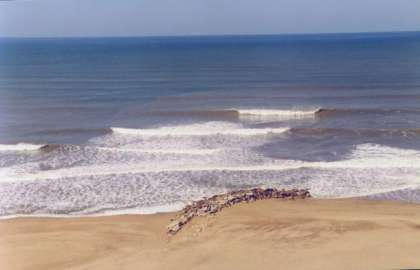
Nestled on Argentina's Atlantic coast, Miramar delivers classic beach-break waves that peel both left and right over a forgiving sandy bottom, creating fun, versatile sessions for surfers chasing reliable lines. The vibe here is welcoming, with stubby jetties shaping varied peaks and a mix of locals and visitors sharing the lineup in a laid-back coastal town atmosphere. Whether you're after mellow rollers or punchier faces, this spot consistently delivers satisfying rides.
Geography and Nature
Miramar sits 48 kilometers south of Mar del Plata along the Buenos Aires province coastline, featuring long stretches of sandy beaches interrupted by short rock groynes that help form quality sandbanks. The area blends urban convenience with open coastal expanses, where the wide beach offers easy access and a classic Argentine seaside feel, backed by low dunes and town infrastructure. No dramatic cliffs or remote isolation here, just approachable shores ideal for extended surf trips.
Surf Setup
Miramar is a pure beach break producing rights and lefts, often forming A-frames or wedgy peaks around the jetties, with shapes ranging from mellow walls to steeper sections on bigger days. It thrives on southwest swells that wrap in cleanly, paired with north or northwest offshore winds to groom the faces perfectly. Mid to high tides bring the best shape, keeping waves powerful yet rideable without getting too mushy or backwash-heavy. On a typical session, expect 1 to 2 meter waves rolling through steadily, with multiple peaks within walking distance like Honores, Nautico, or Cacho for variety.
Consistency and Best Time
This spot picks up dependable surf regularly, thanks to its exposure to groundswells from the south-southeast or southwest, making it a consistent choice year-round but peaking in autumn and winter from March to August when swells build to chest-high or overhead. Aim for those seasons for the cleanest, most powerful waves, while spring and summer can still fire on passing pulses. Avoid south winds, which chop things up, and high tide extremes that soften the peaks.
Crowd Levels
Weekdays draw just a few surfers, offering uncrowded sessions, while weekends fill up with a balanced mix of locals and tourists. The friendly lineup vibe makes it easy to slot in respectfully.
Who It's For
Miramar suits all skill levels, from beginners honing basics on the sandbar peaks to advanced surfers linking turns on the jetty wedges. Newcomers get gentle entries and forgiving waves, intermediates find speed and maneuverability, and experts chase the bigger sets at spots like Honores. Its variety ensures everyone scores.
Hazards to Respect
Watch for rips pulling along the groynes, especially in bigger swells, and scattered rocks near some peaks that demand careful positioning. Stay observant to paddle out safely.
Water Temperature and Wetsuit Guide
Summer from December to March sees water temperatures between 18°C and 22°C, calling for boardshorts or a shorty 2/2mm wetsuit for comfort. Winter from June to October drops to 12°C to 16°C, requiring a full 4/3mm steamer to handle the chill. Spring and fall hover around 15°C to 19°C, where a 3/2mm wetsuit strikes the right balance.
How to Get There
Fly into Mar del Plata Airport (MDQ), just 45 kilometers north, then hop a 45-minute bus or drive south on Route 11 straight to town. Villa Gesell Airport (VLG) is farther at 136 kilometers north but viable for broader trips. Buses from Buenos Aires run frequently to Miramar's central terminal, about a 5-hour ride. Park easily along the beachfront streets or paid lots near the main breaks, with most spots a short 200-500 meter walk from town. Surf shops cluster near the entrance arch for rentals and lessons.

Miramar Surf Spot Guide, Argentina
Nestled on Argentina's Atlantic coast, Miramar delivers classic beach-break waves that peel both left and right over a forgiving sandy bottom, creating fun, versatile sessions for surfers chasing reliable lines. The vibe here is welcoming, with stubby jetties shaping varied peaks and a mix of locals and visitors sharing the lineup in a laid-back coastal town atmosphere. Whether you're after mellow rollers or punchier faces, this spot consistently delivers satisfying rides.
Geography and Nature
Miramar sits 48 kilometers south of Mar del Plata along the Buenos Aires province coastline, featuring long stretches of sandy beaches interrupted by short rock groynes that help form quality sandbanks. The area blends urban convenience with open coastal expanses, where the wide beach offers easy access and a classic Argentine seaside feel, backed by low dunes and town infrastructure. No dramatic cliffs or remote isolation here, just approachable shores ideal for extended surf trips.
Surf Setup
Miramar is a pure beach break producing rights and lefts, often forming A-frames or wedgy peaks around the jetties, with shapes ranging from mellow walls to steeper sections on bigger days. It thrives on southwest swells that wrap in cleanly, paired with north or northwest offshore winds to groom the faces perfectly. Mid to high tides bring the best shape, keeping waves powerful yet rideable without getting too mushy or backwash-heavy. On a typical session, expect 1 to 2 meter waves rolling through steadily, with multiple peaks within walking distance like Honores, Nautico, or Cacho for variety.
Consistency and Best Time
This spot picks up dependable surf regularly, thanks to its exposure to groundswells from the south-southeast or southwest, making it a consistent choice year-round but peaking in autumn and winter from March to August when swells build to chest-high or overhead. Aim for those seasons for the cleanest, most powerful waves, while spring and summer can still fire on passing pulses. Avoid south winds, which chop things up, and high tide extremes that soften the peaks.
Crowd Levels
Weekdays draw just a few surfers, offering uncrowded sessions, while weekends fill up with a balanced mix of locals and tourists. The friendly lineup vibe makes it easy to slot in respectfully.
Who It's For
Miramar suits all skill levels, from beginners honing basics on the sandbar peaks to advanced surfers linking turns on the jetty wedges. Newcomers get gentle entries and forgiving waves, intermediates find speed and maneuverability, and experts chase the bigger sets at spots like Honores. Its variety ensures everyone scores.
Hazards to Respect
Watch for rips pulling along the groynes, especially in bigger swells, and scattered rocks near some peaks that demand careful positioning. Stay observant to paddle out safely.
Water Temperature and Wetsuit Guide
Summer from December to March sees water temperatures between 18°C and 22°C, calling for boardshorts or a shorty 2/2mm wetsuit for comfort. Winter from June to October drops to 12°C to 16°C, requiring a full 4/3mm steamer to handle the chill. Spring and fall hover around 15°C to 19°C, where a 3/2mm wetsuit strikes the right balance.
How to Get There
Fly into Mar del Plata Airport (MDQ), just 45 kilometers north, then hop a 45-minute bus or drive south on Route 11 straight to town. Villa Gesell Airport (VLG) is farther at 136 kilometers north but viable for broader trips. Buses from Buenos Aires run frequently to Miramar's central terminal, about a 5-hour ride. Park easily along the beachfront streets or paid lots near the main breaks, with most spots a short 200-500 meter walk from town. Surf shops cluster near the entrance arch for rentals and lessons.


Il link alle previsioni non è disponibile.