El muelle Surf Spot Guide, Argentina
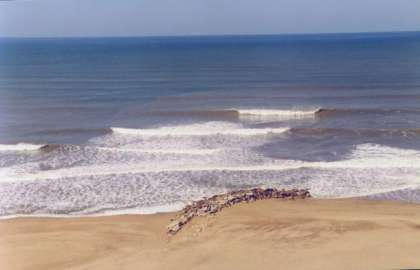
El Muelle is a classic pier-based setup in Miramar that delivers long, rippable right-hand waves even during substantial swells. Located in the Buenos Aires province, this exposed beach and pier break offers consistent conditions and a welcoming atmosphere for experienced surfers seeking quality waves without the intensity of some other Argentine breaks. The sandy bottom with rocky sections creates a forgiving yet challenging environment where skilled surfers can really put their boards to work.
Geography and Nature
El Muelle sits in Miramar, a quieter coastal town south of Buenos Aires along the Atlantic coast. The break is positioned right at a pier structure that defines the spot's character and provides excellent reference points for reading the waves. The surrounding area features a typical Argentine Atlantic coastline with sandy beaches backed by modest development. The pier itself becomes a focal point for surfers, offering shelter and creating distinct wave zones depending on swell direction and tide stage. The landscape is relatively flat and accessible, making it easy to scout conditions before paddling out.
Surf Setup
The waves at El Muelle start firing from around 1.5 meters and can handle swells up to 3 meters, making it a versatile spot for various conditions. The break produces primarily right-hand waves, with the occasional left available depending on swell angle and tide. The sandy bottom with rock sections provides good wave shape and hold, allowing for longer rides and more controlled turns than pure sand would offer. Best swell direction comes from the south and southeast, while offshore winds from the northwest create the cleanest conditions and most defined wave faces. Mid to high tide generally produces the best shaped waves, though tide changes can shift the break's performance significantly. On a typical session, you can expect well-formed waves with good wall definition, allowing experienced surfers to work through their full repertoire of maneuvers.
Consistency and Best Time
El Muelle receives consistent groundswells throughout the year, but autumn and winter deliver the most reliable and powerful conditions. February and March offer excellent swell sizes with larger waves providing quality sessions. The Antarctic currents that influence this coast ensure regular swell generation during the cooler months. Summer brings smaller, more inconsistent waves, though water temperatures rise considerably during this period.
Crowd Levels
Weekdays at El Muelle remain relatively quiet, offering plenty of space in the lineup. Weekends and summer holidays see noticeably increased crowds as visitors from Buenos Aires and beyond head to the coast. The local surf community is established but generally welcoming to respectful visiting surfers.
Who It's For
El Muelle suits experienced and intermediate surfers who can handle powerful waves and navigate the pier environment confidently. The combination of sandy bottom with rocks, strong currents, and the pier structure itself demands solid wave knowledge and good paddling fitness. Beginners should gain experience at mellower breaks before attempting El Muelle.
Hazards to Respect
Dangerous rips are present at this break, requiring awareness and proper paddling technique to escape if caught. The pier structure and rocky sections demand respect and careful positioning. Always scout conditions and understand the current patterns before entering the water.
Water Temperature and Wetsuit Guide
Summer from December to February brings water temperatures around 20 to 21 degrees Celsius, warm enough for boardshorts or a thin summer wetsuit for UV protection. Winter from June to August sees temperatures drop to around 15 to 17 degrees Celsius, requiring a 3 to 4 millimeter spring or winter wetsuit. Autumn and spring months sit comfortably between these ranges at 17 to 20 degrees Celsius, making a 2 to 3 millimeter wetsuit ideal.
How to Get There
Mar del Plata Airport lies 48 kilometers away, serving as the closest major airport option. The town of Miramar is easily reached by driving south from Buenos Aires along Route 11, a straightforward coastal drive of approximately 400 kilometers taking around five hours. Parking is available near the pier area with walking access to the break within minutes. Public transport options exist from Buenos Aires, though having a vehicle provides more flexibility for exploring nearby breaks and timing sessions with conditions.

El muelle Surf Spot Guide, Argentina
El Muelle is a classic pier-based setup in Miramar that delivers long, rippable right-hand waves even during substantial swells. Located in the Buenos Aires province, this exposed beach and pier break offers consistent conditions and a welcoming atmosphere for experienced surfers seeking quality waves without the intensity of some other Argentine breaks. The sandy bottom with rocky sections creates a forgiving yet challenging environment where skilled surfers can really put their boards to work.
Geography and Nature
El Muelle sits in Miramar, a quieter coastal town south of Buenos Aires along the Atlantic coast. The break is positioned right at a pier structure that defines the spot's character and provides excellent reference points for reading the waves. The surrounding area features a typical Argentine Atlantic coastline with sandy beaches backed by modest development. The pier itself becomes a focal point for surfers, offering shelter and creating distinct wave zones depending on swell direction and tide stage. The landscape is relatively flat and accessible, making it easy to scout conditions before paddling out.
Surf Setup
The waves at El Muelle start firing from around 1.5 meters and can handle swells up to 3 meters, making it a versatile spot for various conditions. The break produces primarily right-hand waves, with the occasional left available depending on swell angle and tide. The sandy bottom with rock sections provides good wave shape and hold, allowing for longer rides and more controlled turns than pure sand would offer. Best swell direction comes from the south and southeast, while offshore winds from the northwest create the cleanest conditions and most defined wave faces. Mid to high tide generally produces the best shaped waves, though tide changes can shift the break's performance significantly. On a typical session, you can expect well-formed waves with good wall definition, allowing experienced surfers to work through their full repertoire of maneuvers.
Consistency and Best Time
El Muelle receives consistent groundswells throughout the year, but autumn and winter deliver the most reliable and powerful conditions. February and March offer excellent swell sizes with larger waves providing quality sessions. The Antarctic currents that influence this coast ensure regular swell generation during the cooler months. Summer brings smaller, more inconsistent waves, though water temperatures rise considerably during this period.
Crowd Levels
Weekdays at El Muelle remain relatively quiet, offering plenty of space in the lineup. Weekends and summer holidays see noticeably increased crowds as visitors from Buenos Aires and beyond head to the coast. The local surf community is established but generally welcoming to respectful visiting surfers.
Who It's For
El Muelle suits experienced and intermediate surfers who can handle powerful waves and navigate the pier environment confidently. The combination of sandy bottom with rocks, strong currents, and the pier structure itself demands solid wave knowledge and good paddling fitness. Beginners should gain experience at mellower breaks before attempting El Muelle.
Hazards to Respect
Dangerous rips are present at this break, requiring awareness and proper paddling technique to escape if caught. The pier structure and rocky sections demand respect and careful positioning. Always scout conditions and understand the current patterns before entering the water.
Water Temperature and Wetsuit Guide
Summer from December to February brings water temperatures around 20 to 21 degrees Celsius, warm enough for boardshorts or a thin summer wetsuit for UV protection. Winter from June to August sees temperatures drop to around 15 to 17 degrees Celsius, requiring a 3 to 4 millimeter spring or winter wetsuit. Autumn and spring months sit comfortably between these ranges at 17 to 20 degrees Celsius, making a 2 to 3 millimeter wetsuit ideal.
How to Get There
Mar del Plata Airport lies 48 kilometers away, serving as the closest major airport option. The town of Miramar is easily reached by driving south from Buenos Aires along Route 11, a straightforward coastal drive of approximately 400 kilometers taking around five hours. Parking is available near the pier area with walking access to the break within minutes. Public transport options exist from Buenos Aires, though having a vehicle provides more flexibility for exploring nearby breaks and timing sessions with conditions.


Il link alle previsioni non è disponibile.