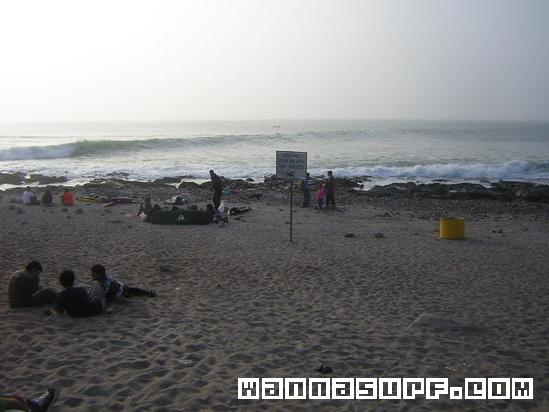
Las Machas Surf Spot Guide, Chile
Nestled in northern Chile, Las Machas delivers reliable sandbar waves that peel both left and right over a forgiving sandy bottom, creating a mellow beachbreak vibe perfect for endless sessions. This exposed spot fires up with ordinary power, offering consistent rides that keep surfers smiling from dawn patrol to afternoon mush. It's the go-to for that classic, user-friendly wave in Arica's lineup.
Geography and Nature
Las Machas stretches along a long, sandy beach in the Arica and Parinacota region, starting near town and extending north toward the mouth of the Rio Lluta, with its southern end blending into Playa Chinchorro. The coastal landscape features open exposure to the Pacific, backed by urban edges of Arica yet feeling somewhat removed with wide sandy shores and minimal rocky interruptions. This extended beach setup provides multiple peaks shaped by shifting sandbars, framed by the dramatic desert backdrop typical of northern Chile.
Surf Setup
Las Machas is a classic beach break with sandbar peaks producing both right and left handers, often forming approachable A-frames on good days. It thrives on southwest swells, paired with offshore winds from the east-northeast that clean up the face for smooth rides. Mid to high tide is prime, as it enhances wave shape and power over the sandy bottom. In a typical session, expect shoulder-high walls with ordinary power, holding up to 1 meter faces, delivering fun, predictable waves ideal for turns and progression.
Consistency and Best Time
With very consistent surf firing about 150 days a year, Las Machas works year-round but peaks from March to September when southwest groundswells roll in steadily. April to October brings the cleanest, most reliable conditions, especially May to July for optimal swell and lighter winds in the mornings. Avoid midday in peak season when cross-onshore winds pick up, and note that summer afternoons often hold rideable mush despite building breeze.
Crowd Levels
Weekdays see few surfers in the water, making for uncrowded sessions shared with a mix of locals and visitors. Weekends draw a bigger crowd, particularly on swells, but the long beach offers space to spread out.
Who It's For
This spot suits all levels, from beginners paddling into easy sandbar waves to intermediates honing turns on peaky rights and lefts. Newcomers love the sandy bottom and smaller, long waves close to shore, while advanced surfers find playful sections during bigger winter swells. Everyone gets volume and consistency to build confidence.
Hazards to Respect
Watch for rips near the Rio Lluta mouth and occasional urchins on the sandbar edges. Steer clear of the pier on bigger days to avoid closeouts or impacts.
Water Temperature and Wetsuit Guide
Summer from December to March sees water temperatures around 18 to 20 degrees Celsius, calling for a 3/2mm fullsuit for comfort during longer sessions. Winter from June to October drops to 15 to 17 degrees Celsius, where a 4/3mm wetsuit with booties keeps you warm against the chill. Spring and fall hover at 16 to 19 degrees Celsius, so a 3/2mm suit works well with a rash vest for variable conditions.
How to Get There
Fly into Chacalluta Airport (ARI) just 6 kilometers north of Las Machas for the quickest access, or Tacna Airport (TCQ) in Peru, 39 kilometers away with border crossing. From Arica town center, it's a short 5 to 10 minute drive north along the coastal road—head toward the beach via Av. Costanera and park right in front for free street spots. Taxis or colectivos from town cost little and drop you steps from the sand, with no long walks needed; the beach is directly accessible.

Las Machas Surf Spot Guide, Chile
Nestled in northern Chile, Las Machas delivers reliable sandbar waves that peel both left and right over a forgiving sandy bottom, creating a mellow beachbreak vibe perfect for endless sessions. This exposed spot fires up with ordinary power, offering consistent rides that keep surfers smiling from dawn patrol to afternoon mush. It's the go-to for that classic, user-friendly wave in Arica's lineup.
Geography and Nature
Las Machas stretches along a long, sandy beach in the Arica and Parinacota region, starting near town and extending north toward the mouth of the Rio Lluta, with its southern end blending into Playa Chinchorro. The coastal landscape features open exposure to the Pacific, backed by urban edges of Arica yet feeling somewhat removed with wide sandy shores and minimal rocky interruptions. This extended beach setup provides multiple peaks shaped by shifting sandbars, framed by the dramatic desert backdrop typical of northern Chile.
Surf Setup
Las Machas is a classic beach break with sandbar peaks producing both right and left handers, often forming approachable A-frames on good days. It thrives on southwest swells, paired with offshore winds from the east-northeast that clean up the face for smooth rides. Mid to high tide is prime, as it enhances wave shape and power over the sandy bottom. In a typical session, expect shoulder-high walls with ordinary power, holding up to 1 meter faces, delivering fun, predictable waves ideal for turns and progression.
Consistency and Best Time
With very consistent surf firing about 150 days a year, Las Machas works year-round but peaks from March to September when southwest groundswells roll in steadily. April to October brings the cleanest, most reliable conditions, especially May to July for optimal swell and lighter winds in the mornings. Avoid midday in peak season when cross-onshore winds pick up, and note that summer afternoons often hold rideable mush despite building breeze.
Crowd Levels
Weekdays see few surfers in the water, making for uncrowded sessions shared with a mix of locals and visitors. Weekends draw a bigger crowd, particularly on swells, but the long beach offers space to spread out.
Who It's For
This spot suits all levels, from beginners paddling into easy sandbar waves to intermediates honing turns on peaky rights and lefts. Newcomers love the sandy bottom and smaller, long waves close to shore, while advanced surfers find playful sections during bigger winter swells. Everyone gets volume and consistency to build confidence.
Hazards to Respect
Watch for rips near the Rio Lluta mouth and occasional urchins on the sandbar edges. Steer clear of the pier on bigger days to avoid closeouts or impacts.
Water Temperature and Wetsuit Guide
Summer from December to March sees water temperatures around 18 to 20 degrees Celsius, calling for a 3/2mm fullsuit for comfort during longer sessions. Winter from June to October drops to 15 to 17 degrees Celsius, where a 4/3mm wetsuit with booties keeps you warm against the chill. Spring and fall hover at 16 to 19 degrees Celsius, so a 3/2mm suit works well with a rash vest for variable conditions.
How to Get There
Fly into Chacalluta Airport (ARI) just 6 kilometers north of Las Machas for the quickest access, or Tacna Airport (TCQ) in Peru, 39 kilometers away with border crossing. From Arica town center, it's a short 5 to 10 minute drive north along the coastal road—head toward the beach via Av. Costanera and park right in front for free street spots. Taxis or colectivos from town cost little and drop you steps from the sand, with no long walks needed; the beach is directly accessible.


Il link alle previsioni non è disponibile.