La Isla Surf Spot Guide, Chile
La Isla delivers a classic left-hand point break that carves along a sharp reef and sandy bottom, firing up hollow, fast rides with plenty of fun sections for endless turns. Nestled in Chile's Atacama region, this exposed spot captures northwest swells into powerful, peeling waves that keep surfers grinning from takeoff to shore. The vibe here is pure surf adventure, blending reliable conditions with that raw northern Chile energy.
Geography and Nature
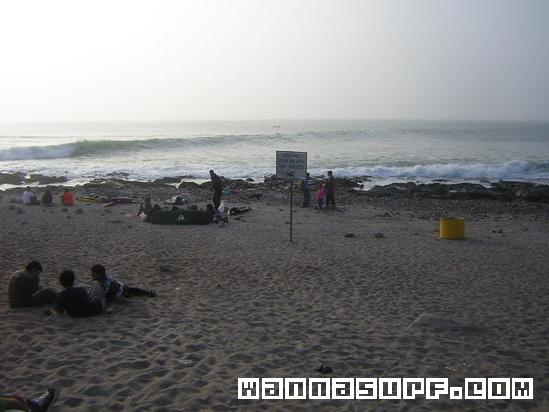
La Isla sits in the rugged Atacama Desert coastline near Arica, where arid cliffs drop into the Pacific, framing an exposed point jutting into the ocean. The beach mixes sandy stretches with rocky outcrops and reef sections, backed by stark desert landscapes that stretch endlessly inland. This remote-feeling setup offers a wild, untouched coastal edge, with the point's natural jetty-like formation channeling swells perfectly.
Surf Setup
La Isla is a point break offering consistent lefts that peel along the reef and sand bottom, forming hollow barrels on bigger days and speedy walls for carving. Optimal swells roll in from northwest, west, or southwest directions, while southwest winds keep faces clean and offshore. Mid tides unlock the best shape, avoiding sections that get too shallow or mushy. Expect a typical session to deliver long, rippable rides up to 2 meters on good days, with fast lines that reward flow and speed.
Consistency and Best Time
Surf at La Isla is fairly consistent thanks to frequent groundswells, making it a reliable pick year-round, though summer from December to March brings the cleanest, most powerful waves with northwest pulses. Aim for these months when offshore southeast winds align most often for glassy sessions. Avoid the cooler winter period from June to October if chasing peak power, as conditions can turn choppy with less favorable swells.
Crowd Levels
Weekdays see just a few surfers in the water, giving ample space for sessions. Weekends draw a bigger crowd, mixing locals and visitors, but it remains manageable compared to busier Chilean spots.
Who It's For
La Isla suits all skill levels, from beginners finding softer shoulders to intermediates and advanced surfers chasing barrels and speed lines. Newcomers can paddle out on smaller days for forgiving takeoffs, while experts thrive on the hollow power during northwest swells. Every level scores fun waves tailored to their style here.
Hazards to Respect
Watch for strong rips pulling out from the point, sharp reef rocks underfoot, and the jetty edges on bigger swells. Time your exits carefully to stay safe.
Water Temperature and Wetsuit Guide
Summer from December to March sees water temperatures around 18 to 20 degrees Celsius, calling for a 3/2mm fullsuit or shorty for longer sessions. Winter from June to October drops to 15 to 17 degrees Celsius, requiring a 4/3mm wetsuit for warmth. Spring and fall hover at 16 to 19 degrees Celsius, where a 3/2mm suit works well with booties on chillier days.
How to Get There
Fly into Chacalluta Airport (ARI) just 15 kilometers north of La Isla for the quickest access, then rent a car for the short 20-minute drive south along the coastal highway. Parking is straightforward near the point with spots along the beach access road, about a 200-meter walk to the lineup. Public buses from Arica run regularly to nearby stops, followed by a 1-kilometer stroll, making it doable without wheels.

La Isla Surf Spot Guide, Chile
La Isla delivers a classic left-hand point break that carves along a sharp reef and sandy bottom, firing up hollow, fast rides with plenty of fun sections for endless turns. Nestled in Chile's Atacama region, this exposed spot captures northwest swells into powerful, peeling waves that keep surfers grinning from takeoff to shore. The vibe here is pure surf adventure, blending reliable conditions with that raw northern Chile energy.
Geography and Nature
La Isla sits in the rugged Atacama Desert coastline near Arica, where arid cliffs drop into the Pacific, framing an exposed point jutting into the ocean. The beach mixes sandy stretches with rocky outcrops and reef sections, backed by stark desert landscapes that stretch endlessly inland. This remote-feeling setup offers a wild, untouched coastal edge, with the point's natural jetty-like formation channeling swells perfectly.
Surf Setup
La Isla is a point break offering consistent lefts that peel along the reef and sand bottom, forming hollow barrels on bigger days and speedy walls for carving. Optimal swells roll in from northwest, west, or southwest directions, while southwest winds keep faces clean and offshore. Mid tides unlock the best shape, avoiding sections that get too shallow or mushy. Expect a typical session to deliver long, rippable rides up to 2 meters on good days, with fast lines that reward flow and speed.
Consistency and Best Time
Surf at La Isla is fairly consistent thanks to frequent groundswells, making it a reliable pick year-round, though summer from December to March brings the cleanest, most powerful waves with northwest pulses. Aim for these months when offshore southeast winds align most often for glassy sessions. Avoid the cooler winter period from June to October if chasing peak power, as conditions can turn choppy with less favorable swells.
Crowd Levels
Weekdays see just a few surfers in the water, giving ample space for sessions. Weekends draw a bigger crowd, mixing locals and visitors, but it remains manageable compared to busier Chilean spots.
Who It's For
La Isla suits all skill levels, from beginners finding softer shoulders to intermediates and advanced surfers chasing barrels and speed lines. Newcomers can paddle out on smaller days for forgiving takeoffs, while experts thrive on the hollow power during northwest swells. Every level scores fun waves tailored to their style here.
Hazards to Respect
Watch for strong rips pulling out from the point, sharp reef rocks underfoot, and the jetty edges on bigger swells. Time your exits carefully to stay safe.
Water Temperature and Wetsuit Guide
Summer from December to March sees water temperatures around 18 to 20 degrees Celsius, calling for a 3/2mm fullsuit or shorty for longer sessions. Winter from June to October drops to 15 to 17 degrees Celsius, requiring a 4/3mm wetsuit for warmth. Spring and fall hover at 16 to 19 degrees Celsius, where a 3/2mm suit works well with booties on chillier days.
How to Get There
Fly into Chacalluta Airport (ARI) just 15 kilometers north of La Isla for the quickest access, then rent a car for the short 20-minute drive south along the coastal highway. Parking is straightforward near the point with spots along the beach access road, about a 200-meter walk to the lineup. Public buses from Arica run regularly to nearby stops, followed by a 1-kilometer stroll, making it doable without wheels.


Il link alle previsioni non è disponibile.