Ha Nifrad Surf Spot Guide, Israel
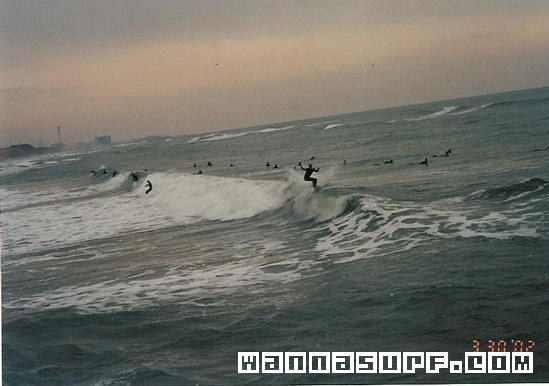
Ha Nifrad is a sandbar break that delivers fun, approachable waves for surfers of all abilities. Located along Israel's Mediterranean coast, this spot offers both left and right-hand waves that peel across a sandy bottom, creating the kind of forgiving conditions that make for enjoyable sessions whether you're learning or refining your technique. The relaxed vibe and light crowds make this an excellent alternative to the busier central coast breaks.
Geography and Nature
Ha Nifrad sits along Israel's Mediterranean coastline, characterized by sandy beaches and gentle coastal terrain. The spot features a natural sandbar formation that shifts with seasonal conditions, creating dynamic wave patterns throughout the year. The surrounding area maintains a relatively undeveloped feel compared to urban surf zones, offering a more peaceful beach experience while remaining accessible from major population centers.
Surf Setup
Ha Nifrad works best with northwest and southwest swells, which are the primary swell directions that generate rideable waves at this break. The sandbar produces both left and right-hand waves depending on swell angle and sandbar positioning, giving surfers options for their preferred direction. Southwest and east winds provide the best offshore conditions, with southwest winds offering the most consistent offshore setup. The break works at all tide stages, so you can paddle out whenever conditions align with your schedule. On a typical session, expect fun, rolling waves with moderate power that allow for smooth turns and progression.
Consistency and Best Time
Israel's best surfing season runs from November through April, when winter storms generate larger, more consistent swells across the Mediterranean. During these months, Ha Nifrad receives regular swell and offers the most reliable conditions. Summer months from June through September produce smaller waves averaging 0.6 to 0.9 meters, though the warmer water temperatures make for comfortable sessions. Spring and fall provide transitional conditions with occasional good days mixed with smaller periods.
Crowd Levels
Ha Nifrad remains relatively quiet on weekdays with few surfers in the water, making it an ideal spot for those seeking space and uncrowded waves. Weekend sessions see slightly more activity but never approach the congestion found at central coast breaks like Hilton Beach or Maravi. The light crowds throughout the week create a peaceful surfing environment.
Who It's For
This break welcomes surfers at all levels. Beginners benefit from the forgiving sandbar bottom and moderate wave power, which allow for safe progression without intimidating conditions. Intermediate surfers find plenty of opportunities to work on technique and wave selection across both left and right peaks. Advanced surfers appreciate the consistency and can use Ha Nifrad for warm-ups or fun sessions when bigger swells aren't available.
Hazards to Respect
Watch for jellyfish that occasionally reach the Mediterranean coast during summer months, particularly around July and August. The sandy bottom minimizes rock and reef hazards, though awareness of the shifting sandbar helps you position yourself effectively. Respect local water conditions and avoid surfing immediately after heavy rainfall due to potential pollution runoff.
Water Temperature and Wetsuit Guide
Summer temperatures from June through October reach 28 to 29 degrees Celsius, requiring only board shorts and sun protection. Winter water from December through March cools to around 14 to 17 degrees Celsius, necessitating a 3/2 or 3/4 millimeter wetsuit depending on air temperature and personal cold tolerance. Spring and fall water temperatures range between 18 and 24 degrees Celsius, where a 2/2 millimeter spring suit or light wetsuit provides comfortable protection.
How to Get There
The nearest major airport is Ben Gurion Airport near Tel Aviv, approximately 50 kilometers south of Ha Nifrad. From Tel Aviv, drive north along the coastal highway for roughly 45 to 60 minutes depending on traffic. Parking is available near the beach access points. Public transportation via bus is available along the coastal route, though having a rental car provides more flexibility for exploring multiple breaks along the coast.

Ha Nifrad Surf Spot Guide, Israel
Ha Nifrad is a sandbar break that delivers fun, approachable waves for surfers of all abilities. Located along Israel's Mediterranean coast, this spot offers both left and right-hand waves that peel across a sandy bottom, creating the kind of forgiving conditions that make for enjoyable sessions whether you're learning or refining your technique. The relaxed vibe and light crowds make this an excellent alternative to the busier central coast breaks.
Geography and Nature
Ha Nifrad sits along Israel's Mediterranean coastline, characterized by sandy beaches and gentle coastal terrain. The spot features a natural sandbar formation that shifts with seasonal conditions, creating dynamic wave patterns throughout the year. The surrounding area maintains a relatively undeveloped feel compared to urban surf zones, offering a more peaceful beach experience while remaining accessible from major population centers.
Surf Setup
Ha Nifrad works best with northwest and southwest swells, which are the primary swell directions that generate rideable waves at this break. The sandbar produces both left and right-hand waves depending on swell angle and sandbar positioning, giving surfers options for their preferred direction. Southwest and east winds provide the best offshore conditions, with southwest winds offering the most consistent offshore setup. The break works at all tide stages, so you can paddle out whenever conditions align with your schedule. On a typical session, expect fun, rolling waves with moderate power that allow for smooth turns and progression.
Consistency and Best Time
Israel's best surfing season runs from November through April, when winter storms generate larger, more consistent swells across the Mediterranean. During these months, Ha Nifrad receives regular swell and offers the most reliable conditions. Summer months from June through September produce smaller waves averaging 0.6 to 0.9 meters, though the warmer water temperatures make for comfortable sessions. Spring and fall provide transitional conditions with occasional good days mixed with smaller periods.
Crowd Levels
Ha Nifrad remains relatively quiet on weekdays with few surfers in the water, making it an ideal spot for those seeking space and uncrowded waves. Weekend sessions see slightly more activity but never approach the congestion found at central coast breaks like Hilton Beach or Maravi. The light crowds throughout the week create a peaceful surfing environment.
Who It's For
This break welcomes surfers at all levels. Beginners benefit from the forgiving sandbar bottom and moderate wave power, which allow for safe progression without intimidating conditions. Intermediate surfers find plenty of opportunities to work on technique and wave selection across both left and right peaks. Advanced surfers appreciate the consistency and can use Ha Nifrad for warm-ups or fun sessions when bigger swells aren't available.
Hazards to Respect
Watch for jellyfish that occasionally reach the Mediterranean coast during summer months, particularly around July and August. The sandy bottom minimizes rock and reef hazards, though awareness of the shifting sandbar helps you position yourself effectively. Respect local water conditions and avoid surfing immediately after heavy rainfall due to potential pollution runoff.
Water Temperature and Wetsuit Guide
Summer temperatures from June through October reach 28 to 29 degrees Celsius, requiring only board shorts and sun protection. Winter water from December through March cools to around 14 to 17 degrees Celsius, necessitating a 3/2 or 3/4 millimeter wetsuit depending on air temperature and personal cold tolerance. Spring and fall water temperatures range between 18 and 24 degrees Celsius, where a 2/2 millimeter spring suit or light wetsuit provides comfortable protection.
How to Get There
The nearest major airport is Ben Gurion Airport near Tel Aviv, approximately 50 kilometers south of Ha Nifrad. From Tel Aviv, drive north along the coastal highway for roughly 45 to 60 minutes depending on traffic. Parking is available near the beach access points. Public transportation via bus is available along the coastal route, though having a rental car provides more flexibility for exploring multiple breaks along the coast.


Il link alle previsioni non è disponibile.
Webcam not available