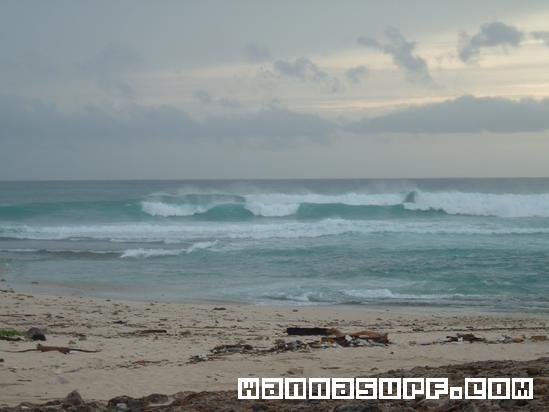
Muraya Surf Spot Guide, Aruba
Muraya delivers powerful reef-coral waves that peel both right and left over a sharp bottom, creating an intense, uncrowded challenge for those seeking raw Aruba surf. This exposed break pulses with energy when east swells align, offering fast sections and heavy power that demand precision and respect. The vibe is pure solitude, a hidden gem where the ocean's force meets minimal distractions.
Geography and Nature
Muraya sits on Aruba's rugged east coast, an exposed stretch of rocky shoreline far from urban bustle, surrounded by arid landscapes and dramatic cliffs typical of the island's windward side. The beach is rocky with coral reef exposures rather than sand, backed by scrubby vegetation and open ocean views that amplify the wild feel. Notable features include nearby natural rock formations and consistent trade winds shaping the coastal exposure.
Surf Setup
Muraya is a classic reef break with rights and lefts firing over sharp coral and rocks, forming powerful A-frames that can barrel on bigger sets. Optimal swells come from the east, while west winds provide rare offshore grooming for clean faces. It handles all tides well, maintaining rideable shape from low to high. Expect a punishing session with fast, hollow sections that test your speed and positioning on the reef.
Consistency and Best Time
Muraya breaks inconsistently, firing only sometimes when east swells push in above 1 meter with suitable periods. The best months fall between December and March during peak trade wind season, when swells build reliably from the east; avoid June to October's flatter periods with dominant calms. Time visits for early mornings or late afternoons to catch any clean windows before onshore trades kick up.
Crowd Levels
Weekdays see it completely empty, perfect for solo sessions. Weekends draw just a few surfers, blending locals and visitors in a low-key lineup.
Who It's For
Muraya suits pros or kamikaze chargers only, thanks to its powerful waves slamming over unforgiving reef. Beginners and intermediates should steer clear, as the sharp bottom and intensity offer no forgiving ramps. Advanced surfers will score thrilling, high-adrenaline rides when it turns on.
Hazards to Respect
Watch for urchins on the reef, rips pulling through the lineup, occasional sharks, and man-made objects like buoys. Approach with solid local knowledge to navigate safely.
Water Temperature and Wetsuit Guide
Summer from June to October brings water temperatures of 27 to 29°C, so boardshorts or a rash vest suffice for long sessions. Winter from December to March sees 26 to 28°C waters, still calling for just a rash vest to block UV. Spring and fall hover at 26 to 28°C, making rash protection ideal year-round in these tropical conditions.
How to Get There
Fly into Reina Beatrix International Airport (AUA), just 17 kilometers northwest of Muraya, then rent a 4x4 for the rugged east coast roads. Head southeast on the main highway past Oranjestad toward the windward side, following signs to natural landmarks like Natural Bridge before turning onto dirt tracks leading to the rocky access point. Parking is free and close by the shore, with a short walk of under 500 meters to the lineup; no reliable public transport serves this remote spot, so driving is essential.

Muraya Surf Spot Guide, Aruba
Muraya delivers powerful reef-coral waves that peel both right and left over a sharp bottom, creating an intense, uncrowded challenge for those seeking raw Aruba surf. This exposed break pulses with energy when east swells align, offering fast sections and heavy power that demand precision and respect. The vibe is pure solitude, a hidden gem where the ocean's force meets minimal distractions.
Geography and Nature
Muraya sits on Aruba's rugged east coast, an exposed stretch of rocky shoreline far from urban bustle, surrounded by arid landscapes and dramatic cliffs typical of the island's windward side. The beach is rocky with coral reef exposures rather than sand, backed by scrubby vegetation and open ocean views that amplify the wild feel. Notable features include nearby natural rock formations and consistent trade winds shaping the coastal exposure.
Surf Setup
Muraya is a classic reef break with rights and lefts firing over sharp coral and rocks, forming powerful A-frames that can barrel on bigger sets. Optimal swells come from the east, while west winds provide rare offshore grooming for clean faces. It handles all tides well, maintaining rideable shape from low to high. Expect a punishing session with fast, hollow sections that test your speed and positioning on the reef.
Consistency and Best Time
Muraya breaks inconsistently, firing only sometimes when east swells push in above 1 meter with suitable periods. The best months fall between December and March during peak trade wind season, when swells build reliably from the east; avoid June to October's flatter periods with dominant calms. Time visits for early mornings or late afternoons to catch any clean windows before onshore trades kick up.
Crowd Levels
Weekdays see it completely empty, perfect for solo sessions. Weekends draw just a few surfers, blending locals and visitors in a low-key lineup.
Who It's For
Muraya suits pros or kamikaze chargers only, thanks to its powerful waves slamming over unforgiving reef. Beginners and intermediates should steer clear, as the sharp bottom and intensity offer no forgiving ramps. Advanced surfers will score thrilling, high-adrenaline rides when it turns on.
Hazards to Respect
Watch for urchins on the reef, rips pulling through the lineup, occasional sharks, and man-made objects like buoys. Approach with solid local knowledge to navigate safely.
Water Temperature and Wetsuit Guide
Summer from June to October brings water temperatures of 27 to 29°C, so boardshorts or a rash vest suffice for long sessions. Winter from December to March sees 26 to 28°C waters, still calling for just a rash vest to block UV. Spring and fall hover at 26 to 28°C, making rash protection ideal year-round in these tropical conditions.
How to Get There
Fly into Reina Beatrix International Airport (AUA), just 17 kilometers northwest of Muraya, then rent a 4x4 for the rugged east coast roads. Head southeast on the main highway past Oranjestad toward the windward side, following signs to natural landmarks like Natural Bridge before turning onto dirt tracks leading to the rocky access point. Parking is free and close by the shore, with a short walk of under 500 meters to the lineup; no reliable public transport serves this remote spot, so driving is essential.


Il link alle previsioni non è disponibile.