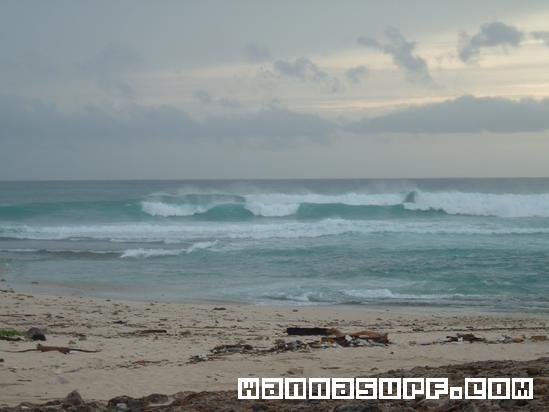
Dooms Surf Spot Guide, Aruba
Dooms, also known as Spot, sits as one of Aruba's most picturesque and peaceful reef-rocky breaks on the island's windswept eastern coast. This is a classic surfing destination where you can score quality waves with minimal crowds, even on weekends. The combination of powerful reef and rocky bottom with consistent swell makes Dooms a rewarding experience for those with solid surfing skills.
Geography and Nature
Located on Aruba's rugged east coast, Dooms sits in a dramatic landscape shaped by powerful Atlantic swells and trade winds. The surrounding terrain is windswept and raw, with the break positioned away from the island's developed tourist areas. The beach itself is characterized by rocky and reef formations rather than soft sand, giving the spot an authentic, untamed character that appeals to experienced surfers seeking authentic Caribbean waves.
Surf Setup
Dooms works best with west, southwest, and south swell directions, which wrap around the eastern side of the island and create both left and right-hand waves. The break responds well to northeast winds that provide offshore conditions, cleaning up the wave face and creating that glassy texture every surfer dreams about. The reef-rocky bottom produces powerful, ordinary, and fun waves depending on swell size and tide conditions. All tide stages work here, so you have flexibility in timing your session. On a typical day, you can expect well-defined waves with shape and power, though the sharp reef and rocks demand respect and precision in your positioning.
Consistency and Best Time
The best and most consistent period to surf Dooms runs from October through March, when solid swells from the North Atlantic reach Aruba's shores. From March to August, consistent trade winds create reliable waves on 300 days of the year, though these tend to be smaller and more wind-affected. Late fall and winter bring the most powerful conditions as hurricane swells and winter storms push quality swell toward the island. June through November can produce excellent waves but less frequently. Plan your trip between October and March for the most predictable, powerful conditions.
Crowd Levels
Dooms remains rarely busy, even on weekends, making it an excellent choice if you prefer uncrowded lineups. You will typically find few surfers in the water, which means more waves for everyone and a peaceful atmosphere to focus on your surfing.
Who It's For
This break is designed for experienced surfers who understand reef dynamics and can handle powerful, sharp-bottomed conditions. Intermediate surfers with solid wave knowledge might find certain swell conditions manageable, but the reef-rocky bottom and power demand technical ability and awareness. Beginners should look elsewhere on the island, as Dooms requires experience reading reef breaks and managing the hazards present.
Hazards to Respect
The sharp coral and rocks on the bottom pose genuine risks of cuts and scrapes if you fall or lose your board. The powerful nature of the break means wipeouts can be consequential. Always wear reef booties and consider a helmet. Stay aware of your positioning and exit strategy before paddling out.
Water Temperature and Wetsuit Guide
Summer months from June to October see water temperatures around 26 to 28 degrees Celsius, requiring only a light springsuit or rash guard for sun protection. Winter from December to March brings cooler water around 24 to 26 degrees Celsius, where a 2 to 3 millimeter springsuit provides adequate warmth. Spring and fall transition months range from 25 to 27 degrees Celsius, making a light springsuit comfortable.
How to Get There
Queen Beatrix Airport, Aruba's main airport with the code AUA, sits approximately 25 kilometers from Dooms. Rent a vehicle at the airport for the most flexible access to this remote eastern break. Drive south along the coast toward the island's southeastern tip. Parking is available near the break, though spaces are limited. Public transport via Arubus runs every 15 minutes during daytime hours, though service to remote eastern breaks is less frequent than routes to western beaches. The break is not within walking distance of major towns, so having transportation is essential.

Dooms Surf Spot Guide, Aruba
Dooms, also known as Spot, sits as one of Aruba's most picturesque and peaceful reef-rocky breaks on the island's windswept eastern coast. This is a classic surfing destination where you can score quality waves with minimal crowds, even on weekends. The combination of powerful reef and rocky bottom with consistent swell makes Dooms a rewarding experience for those with solid surfing skills.
Geography and Nature
Located on Aruba's rugged east coast, Dooms sits in a dramatic landscape shaped by powerful Atlantic swells and trade winds. The surrounding terrain is windswept and raw, with the break positioned away from the island's developed tourist areas. The beach itself is characterized by rocky and reef formations rather than soft sand, giving the spot an authentic, untamed character that appeals to experienced surfers seeking authentic Caribbean waves.
Surf Setup
Dooms works best with west, southwest, and south swell directions, which wrap around the eastern side of the island and create both left and right-hand waves. The break responds well to northeast winds that provide offshore conditions, cleaning up the wave face and creating that glassy texture every surfer dreams about. The reef-rocky bottom produces powerful, ordinary, and fun waves depending on swell size and tide conditions. All tide stages work here, so you have flexibility in timing your session. On a typical day, you can expect well-defined waves with shape and power, though the sharp reef and rocks demand respect and precision in your positioning.
Consistency and Best Time
The best and most consistent period to surf Dooms runs from October through March, when solid swells from the North Atlantic reach Aruba's shores. From March to August, consistent trade winds create reliable waves on 300 days of the year, though these tend to be smaller and more wind-affected. Late fall and winter bring the most powerful conditions as hurricane swells and winter storms push quality swell toward the island. June through November can produce excellent waves but less frequently. Plan your trip between October and March for the most predictable, powerful conditions.
Crowd Levels
Dooms remains rarely busy, even on weekends, making it an excellent choice if you prefer uncrowded lineups. You will typically find few surfers in the water, which means more waves for everyone and a peaceful atmosphere to focus on your surfing.
Who It's For
This break is designed for experienced surfers who understand reef dynamics and can handle powerful, sharp-bottomed conditions. Intermediate surfers with solid wave knowledge might find certain swell conditions manageable, but the reef-rocky bottom and power demand technical ability and awareness. Beginners should look elsewhere on the island, as Dooms requires experience reading reef breaks and managing the hazards present.
Hazards to Respect
The sharp coral and rocks on the bottom pose genuine risks of cuts and scrapes if you fall or lose your board. The powerful nature of the break means wipeouts can be consequential. Always wear reef booties and consider a helmet. Stay aware of your positioning and exit strategy before paddling out.
Water Temperature and Wetsuit Guide
Summer months from June to October see water temperatures around 26 to 28 degrees Celsius, requiring only a light springsuit or rash guard for sun protection. Winter from December to March brings cooler water around 24 to 26 degrees Celsius, where a 2 to 3 millimeter springsuit provides adequate warmth. Spring and fall transition months range from 25 to 27 degrees Celsius, making a light springsuit comfortable.
How to Get There
Queen Beatrix Airport, Aruba's main airport with the code AUA, sits approximately 25 kilometers from Dooms. Rent a vehicle at the airport for the most flexible access to this remote eastern break. Drive south along the coast toward the island's southeastern tip. Parking is available near the break, though spaces are limited. Public transport via Arubus runs every 15 minutes during daytime hours, though service to remote eastern breaks is less frequent than routes to western beaches. The break is not within walking distance of major towns, so having transportation is essential.


Il link alle previsioni non è disponibile.