Boca Druif Surf Spot Guide, Aruba
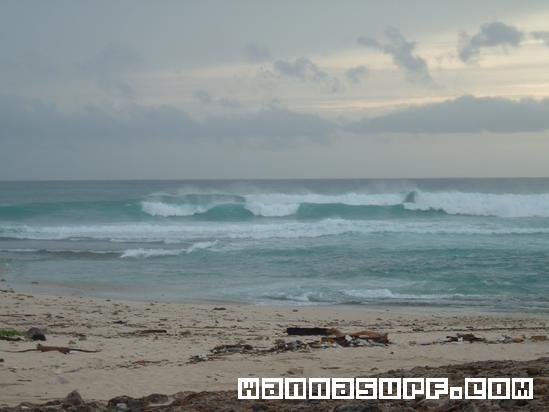
Boca Druif stands as one of Aruba's premier reef breaks, delivering world-class waves that attract experienced surfers from across the Caribbean. This powerful, fast-breaking reef setup produces hollow barrels and consistent action on both left and right-hand peaks, making it a destination for surfers seeking challenging, high-quality waves in a relatively uncrowded setting compared to other Caribbean spots.
Geography and Nature
Located on Aruba's remote and rugged eastern coastline, Boca Druif sits in a wild, untouched landscape far removed from the island's developed resort areas. The beach is surrounded by dramatic rocky cliffs and jagged limestone formations that create a dramatic natural amphitheater for the waves. The shoreline features a mix of soft white sand interspersed with rocks and driftwood, giving the area a raw, windswept character. Access requires traveling along rough dirt roads past the California Lighthouse, which adds to the spot's remote and adventurous feel.
Surf Setup
Boca Druif breaks over a sharp reef and rocky bottom that demands respect and experience. The wave produces both left and right-hand peaks with a hollow, fast-breaking character that delivers powerful, fun barrels on quality swells. North and northeast swells provide the best conditions, while southwest and southeast winds offer ideal offshore patterns that clean up the wave face and enhance barrel formation. Low tide is the preferred stage for surfing here, as it exposes more of the reef structure and creates more defined wave shape. On typical sessions, expect fast-moving walls of water that require precise positioning and solid technique to navigate safely.
Consistency and Best Time
Boca Druif ranks among Aruba's most consistent breaks, with rideable waves available roughly 150 days per year. The windy season from July through August brings the most reliable swell and attracts surfers seeking guaranteed action. The dry season from December through April also delivers consistent conditions with excellent weather. May and June represent shoulder season months with good opportunities and fewer crowds. September through November sees lighter rainfall and occasional swell windows, though conditions become less predictable.
Crowd Levels
Weekdays at Boca Druif typically remain empty or very lightly populated, offering peaceful sessions with plenty of space. Weekends attract more surfers, particularly those staying at nearby resorts, though the break rarely becomes uncomfortably crowded compared to popular tourist beaches elsewhere on the island.
Who It's For
Boca Druif is strictly for experienced surfers with solid reef break skills and comfort navigating sharp, unforgiving bottom. The powerful, fast-breaking waves and rocky hazards make this spot unsuitable for beginners or intermediate surfers still developing their technique. Advanced surfers will find challenging, rewarding waves that test their abilities and deliver the kind of hollow barrels that make reef breaks special.
Hazards to Respect
The sharp reef and rocky bottom demand proper footwear and careful navigation. Rocks scattered along the shore and in the water require awareness when paddling out and exiting. The powerful swell and fast-moving waves can create strong currents, so understanding local conditions before entering the water is essential.
Water Temperature and Wetsuit Guide
Summer months from June through October bring water temperatures around 27 to 28 degrees Celsius, requiring only a thin spring suit or rash guard for thermal protection. Winter from December through March sees temperatures drop to approximately 25 to 26 degrees Celsius, making a 2-millimeter spring suit comfortable. Spring and fall months maintain temperatures between 26 and 27 degrees Celsius, suitable for minimal wetsuit coverage.
How to Get There
Aruba's Queen Beatrix International Airport sits approximately 30 kilometers from Boca Druif. Rental vehicles provide the most practical access, as public transportation to remote eastern beaches remains limited. From Oranjestad, drive north toward the California Lighthouse, then follow the rough dirt road along the northern coast. Standard vehicles can reach the area, though four-wheel-drive vehicles handle the sandy sections more comfortably. Parking areas exist near the beach access points. The spot remains inaccessible by public transport, making a rental car essential for visiting.

Boca Druif Surf Spot Guide, Aruba
Boca Druif stands as one of Aruba's premier reef breaks, delivering world-class waves that attract experienced surfers from across the Caribbean. This powerful, fast-breaking reef setup produces hollow barrels and consistent action on both left and right-hand peaks, making it a destination for surfers seeking challenging, high-quality waves in a relatively uncrowded setting compared to other Caribbean spots.
Geography and Nature
Located on Aruba's remote and rugged eastern coastline, Boca Druif sits in a wild, untouched landscape far removed from the island's developed resort areas. The beach is surrounded by dramatic rocky cliffs and jagged limestone formations that create a dramatic natural amphitheater for the waves. The shoreline features a mix of soft white sand interspersed with rocks and driftwood, giving the area a raw, windswept character. Access requires traveling along rough dirt roads past the California Lighthouse, which adds to the spot's remote and adventurous feel.
Surf Setup
Boca Druif breaks over a sharp reef and rocky bottom that demands respect and experience. The wave produces both left and right-hand peaks with a hollow, fast-breaking character that delivers powerful, fun barrels on quality swells. North and northeast swells provide the best conditions, while southwest and southeast winds offer ideal offshore patterns that clean up the wave face and enhance barrel formation. Low tide is the preferred stage for surfing here, as it exposes more of the reef structure and creates more defined wave shape. On typical sessions, expect fast-moving walls of water that require precise positioning and solid technique to navigate safely.
Consistency and Best Time
Boca Druif ranks among Aruba's most consistent breaks, with rideable waves available roughly 150 days per year. The windy season from July through August brings the most reliable swell and attracts surfers seeking guaranteed action. The dry season from December through April also delivers consistent conditions with excellent weather. May and June represent shoulder season months with good opportunities and fewer crowds. September through November sees lighter rainfall and occasional swell windows, though conditions become less predictable.
Crowd Levels
Weekdays at Boca Druif typically remain empty or very lightly populated, offering peaceful sessions with plenty of space. Weekends attract more surfers, particularly those staying at nearby resorts, though the break rarely becomes uncomfortably crowded compared to popular tourist beaches elsewhere on the island.
Who It's For
Boca Druif is strictly for experienced surfers with solid reef break skills and comfort navigating sharp, unforgiving bottom. The powerful, fast-breaking waves and rocky hazards make this spot unsuitable for beginners or intermediate surfers still developing their technique. Advanced surfers will find challenging, rewarding waves that test their abilities and deliver the kind of hollow barrels that make reef breaks special.
Hazards to Respect
The sharp reef and rocky bottom demand proper footwear and careful navigation. Rocks scattered along the shore and in the water require awareness when paddling out and exiting. The powerful swell and fast-moving waves can create strong currents, so understanding local conditions before entering the water is essential.
Water Temperature and Wetsuit Guide
Summer months from June through October bring water temperatures around 27 to 28 degrees Celsius, requiring only a thin spring suit or rash guard for thermal protection. Winter from December through March sees temperatures drop to approximately 25 to 26 degrees Celsius, making a 2-millimeter spring suit comfortable. Spring and fall months maintain temperatures between 26 and 27 degrees Celsius, suitable for minimal wetsuit coverage.
How to Get There
Aruba's Queen Beatrix International Airport sits approximately 30 kilometers from Boca Druif. Rental vehicles provide the most practical access, as public transportation to remote eastern beaches remains limited. From Oranjestad, drive north toward the California Lighthouse, then follow the rough dirt road along the northern coast. Standard vehicles can reach the area, though four-wheel-drive vehicles handle the sandy sections more comfortably. Parking areas exist near the beach access points. The spot remains inaccessible by public transport, making a rental car essential for visiting.


Il link alle previsioni non è disponibile.
Webcam not available